
2 Minutes
Uber's bold move into autonomous data collection
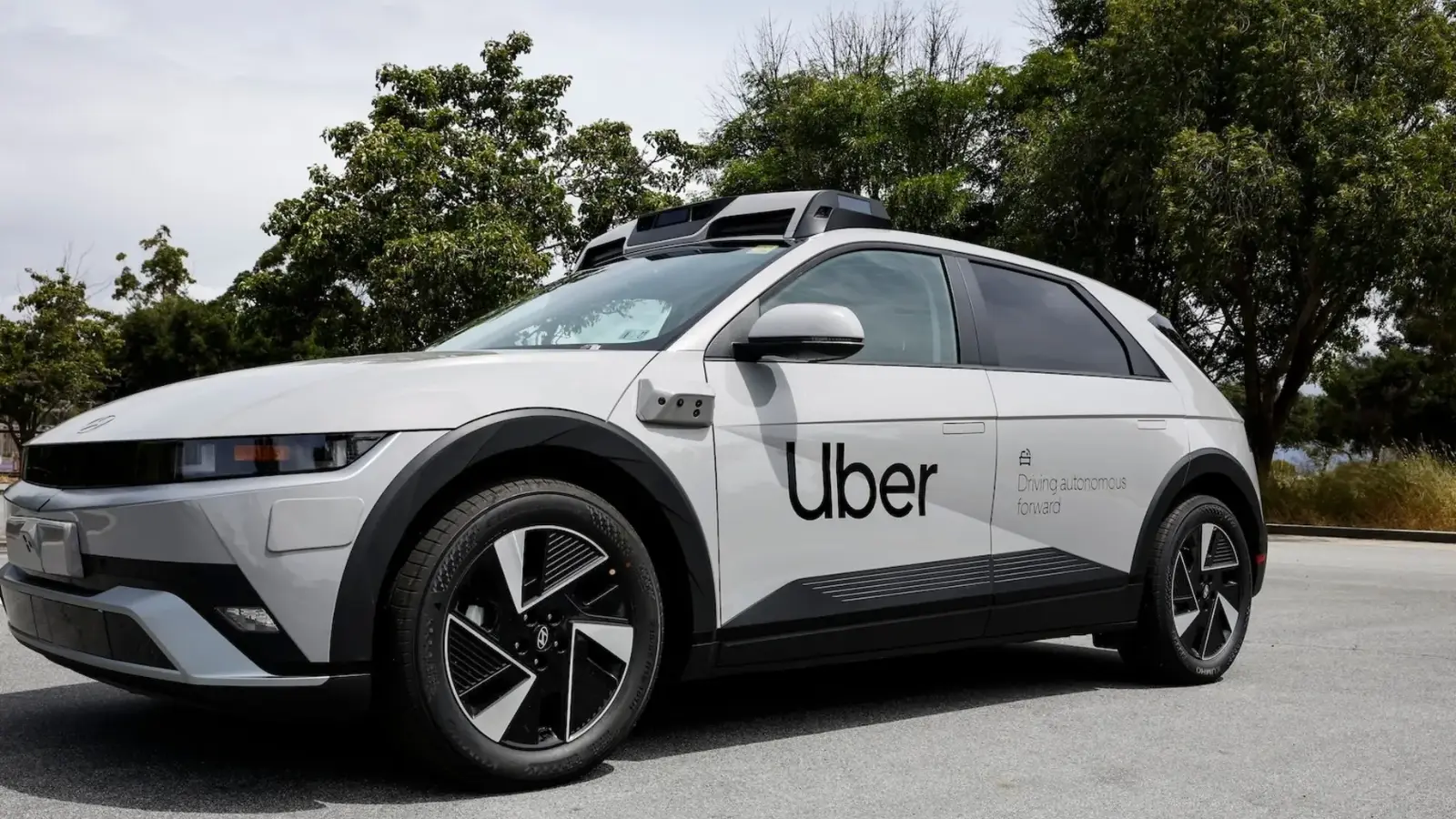
Uber has announced a global rollout of 500 Hyundai Ioniq 5 electric vehicles outfitted with advanced sensors to build what it calls the largest autonomous driving dataset in the world. The program is designed to gather high-fidelity driving data for robotaxi operators and autonomous vehicle (AV) developers including Avride, Waymo and WeRide.
Purpose and scope
Rather than developing full self-driving software itself after selling its autonomous division to Aurora in 2020, Uber is positioning itself as a data provider for the AV ecosystem. The company expects the fleet to generate roughly 3 million kilometers of synchronized, high-precision driving data per month once fully operational.
Hardware and integration
Each Hyundai Ioniq 5 in the fleet is equipped with a comprehensive sensor suite and a powerful central computer. Key technical highlights include:
- 14 cameras for visual coverage
- 8 solid-state LiDAR units for precise 3D mapping
- 9 radar sensors for long-range object detection
- NVIDIA Dual Drive Thor central compute
Roush Performance handles vehicle modifications and sensor installation, and Uber says the sensor package will be updated as partner requirements evolve.

Why high-quality data matters
Training autonomous driving systems requires diverse, well-synced 360-degree data from real-world urban and suburban driving. Uber's aim is to create a richly varied training dataset that helps partners improve perception, mapping and decision-making for robotaxis and other AV applications.
Quote: 'Our goal is to supply the most diverse training data available to speed up safe deployment of robotaxis,' said an Uber spokesperson.
Deployment timeline and market impact
Uber plans to put 50 of these modified Ioniq 5s on U.S. roads by this summer, with the remainder entering service globally throughout the year. For automakers and AV firms racing to commercialize self-driving taxis, access to a broad, synchronized dataset can reduce development time and improve system robustness.
This move underscores a shift in the AV landscape: companies are increasingly trading in-house autonomy development for data-driven partnerships. For car enthusiasts and industry watchers, the project is an important signal that large-scale data collection is now central to making safe, reliable robotaxis a reality.

Leave a Comment
Comments
No comments yet. Be the first.