
3 Minutes
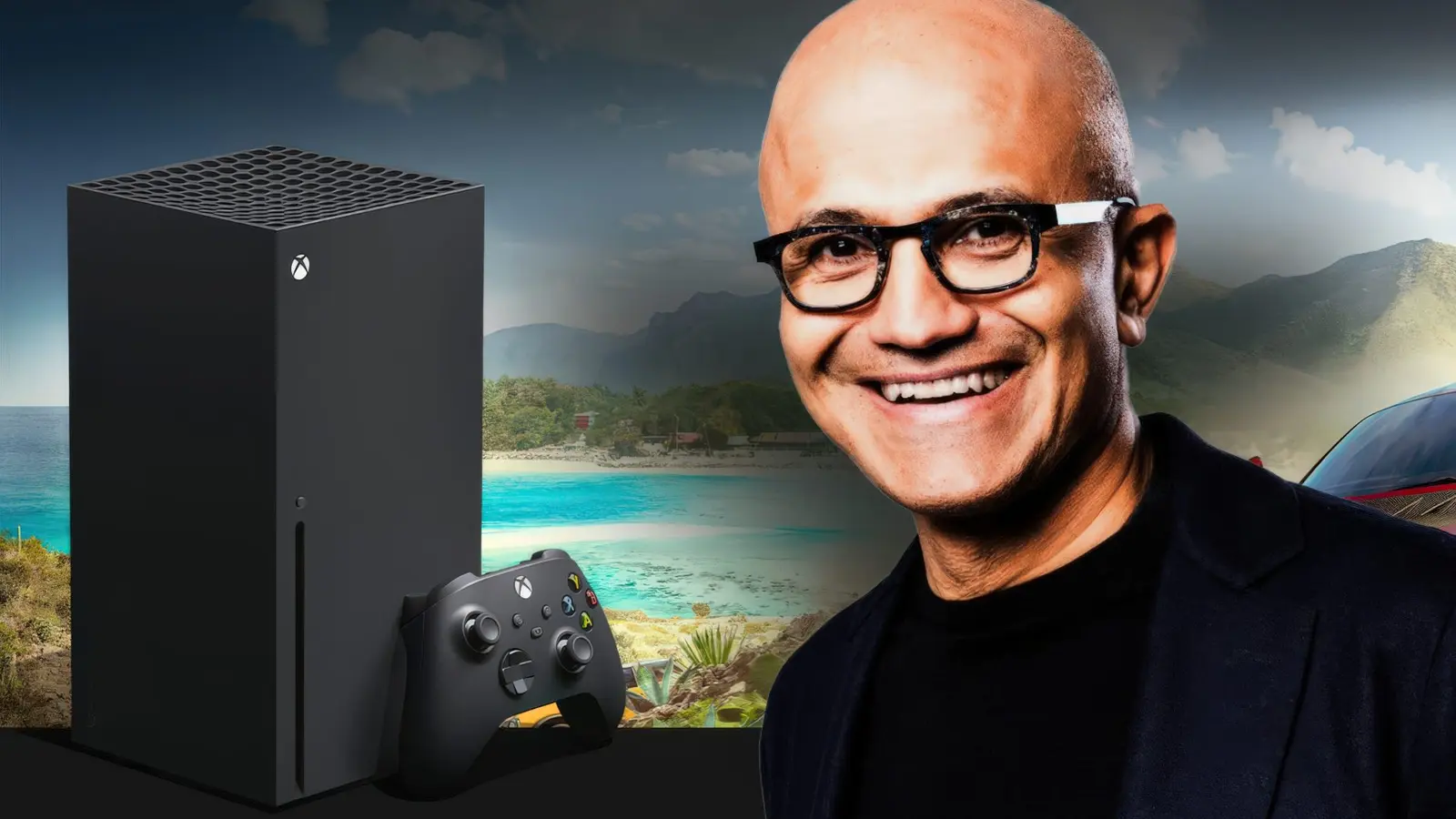
Satya Nadella just put Xbox on notice. Short and sharp. After 25 years of heavy investment, Microsoft’s gaming arm can no longer be an open-ended project on the company ledger.
In a recent interview Nadella acknowledged what many industry watchers have suspected: Microsoft has poured money into Xbox for decades, but the economics haven’t kept pace. The problem, he said, isn’t passion or product quality. It’s monetization. In fact, he noted that third-party platforms are extracting more revenue from Xbox games than Microsoft manages itself — a blunt admission that underlines why leadership wants change.
Asha Sharma, now a little over 100 days into her role as Xbox CEO, has already signaled a reset. Her pledge to take a fresh look at hardware and publishing in the next 100 days is the start of an urgent exercise: how to knit console, PC, mobile and cloud together into a coherent, profitable model. Matthew Ball, Xbox’s chief strategy officer, has been part of that chorus, outlining that any path forward will require both sharper product focus and new commercial models.
There are clear headwinds. Cloud and AI are reshaping costs across the tech stack. Semiconductors and memory remain tight, driving up the price of consoles and gaming PCs. Those are temporary pressures, Nadella suggested. The more permanent issue is the business model: how do you keep consoles relevant, support PC and mobile play, and monetize content without undercutting the player experience?

Project Helix is one tangible piece of the puzzle. By enabling PC titles to run smoothly on Xbox hardware, Helix blurs platform boundaries and could increase library value for console owners. But software strategy is harder. Sharma has been candid about the limits on exclusives while the division heals its margins. For now, Xbox intends to prioritize a very small slate of big exclusives — Gears of War: E-Day and Clockwork Revolution being named among the near-term bets — rather than spreading resources thinly across dozens of smaller projects.
That shift implies a strategic triage. Big tentpole franchises like Halo, Fallout and The Elder Scrolls are getting renewed attention. Expect heavier investment in fewer franchises with global recognition and cross-platform monetization potential. Smaller teams and niche titles will likely have to prove faster paths to profitability or face reduced support.
Microsoft can no longer subsidize gaming as a prestige project; Xbox must generate sustainable returns.
None of this will change the product overnight. Game development cycles run years. Licensing deals and studio integrations take time to renegotiate. Still, the new leadership has clear marching orders: prioritize profitability, unify the ecosystems, and design experiences that monetize effectively across streaming, downloads, and social platforms.
There’s an upside. A leaner, revenue-focused Xbox could accelerate experimentation in subscription bundles, in-game commerce, and cloud-delivered experiences that reach mobile players. The danger, of course, is alienating core fans if exclusives dry up or if the company leans too hard into monetization mechanics. Balancing those priorities will define Sharma’s tenure.
For now, Microsoft has moved from patron to partner — willing to invest, but unwilling to bankroll losses forever. That pivot will reshape studio roadmaps, platform strategy, and what players see on store pages for years to come. The real question is whether the new model will preserve the creative breadth that made Xbox a player in the first place, while finally turning the business into a profitable one.


Leave a Comment
Comments
No comments yet. Be the first.