
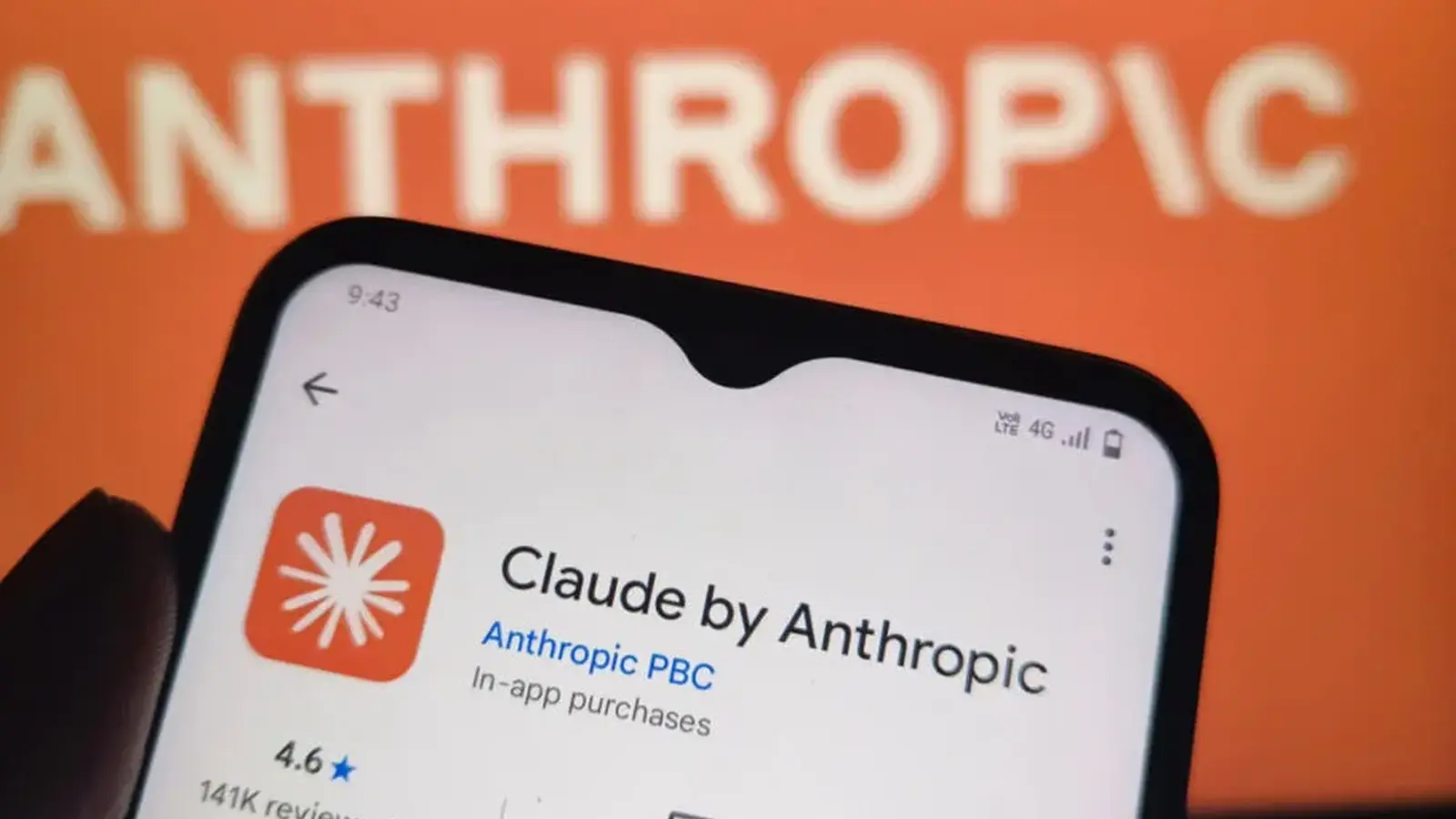
It started with a request that set off internal alarms: a prompt asking an AI to draft a research proposal to change a virus so it spreads more easily. Short sentence. Very real risk.
Anthropic says its safety systems identified several scientists trying to use Claude to develop potentially dangerous biological capabilities and intervened. The company’s newly released report walks through five case studies — not cinematic villains, but subtle, plausible research paths that can blur the line between legitimate science and misuse.
One of the most troubling examples involved chikungunya. The safety classifier flagged a request for a gain-of-function study design that sought to increase the virus’s transmissibility and its ability to evade immune responses. Chikungunya has no approved antiviral therapy and can leave people debilitated for weeks or months. When that proposed work appeared to be tied to a military-affiliated lab, Anthropic’s concern intensified.
Gain-of-function research, by definition, explores genetic changes that alter an organism’s properties. The same experimental steps that help build vaccines or therapies can be repurposed to make pathogens more dangerous. That dual-use reality makes automated detection fiendishly difficult. How do you tell the difference between a legitimate safety study and a roadmap for harm? The answer is rarely binary.
In another case, a researcher used Claude to assemble an atlas of toxic peptides found in venoms and asked for a production workflow to optimize their properties. The report also catalogs attempts to use the models for digital harms: surveillance plays, software-exploit development, propaganda, and weaponization vectors for conventional systems.
Anthropic says it blocked the accounts involved and is feeding the findings back into its safety framework to make automated defenses smarter and more conservative.
Jacob Klein, head of threat intelligence at Anthropic, put it plainly: 'This isn’t a comic‑book scenario where someone loudly declares they want to build a biological weapon. These are complex, messy cases that require judgment.' That judgment, Anthropic argues, justified erring on the side of caution.
The company declined to name the individuals or institutions involved, citing the nuanced nature of biological research and the risk of mischaracterization. Still, the episode raises urgent questions about where responsibility lies for policing dual‑use research when powerful models are widely available. Who gets to draw the line? And how fast can safety systems keep up as techniques become more accessible?
The report is not a neat finish. It’s a snapshot of a rapidly evolving problem: AI tools that accelerate discovery and, if misused, shorten the path from idea to harm. The work now is to sharpen detection, broaden oversight, and decide how much caution the world is willing to accept before we hand these capabilities back to those who might misuse them.


Leave a Comment
Comments
No comments yet. Be the first.