
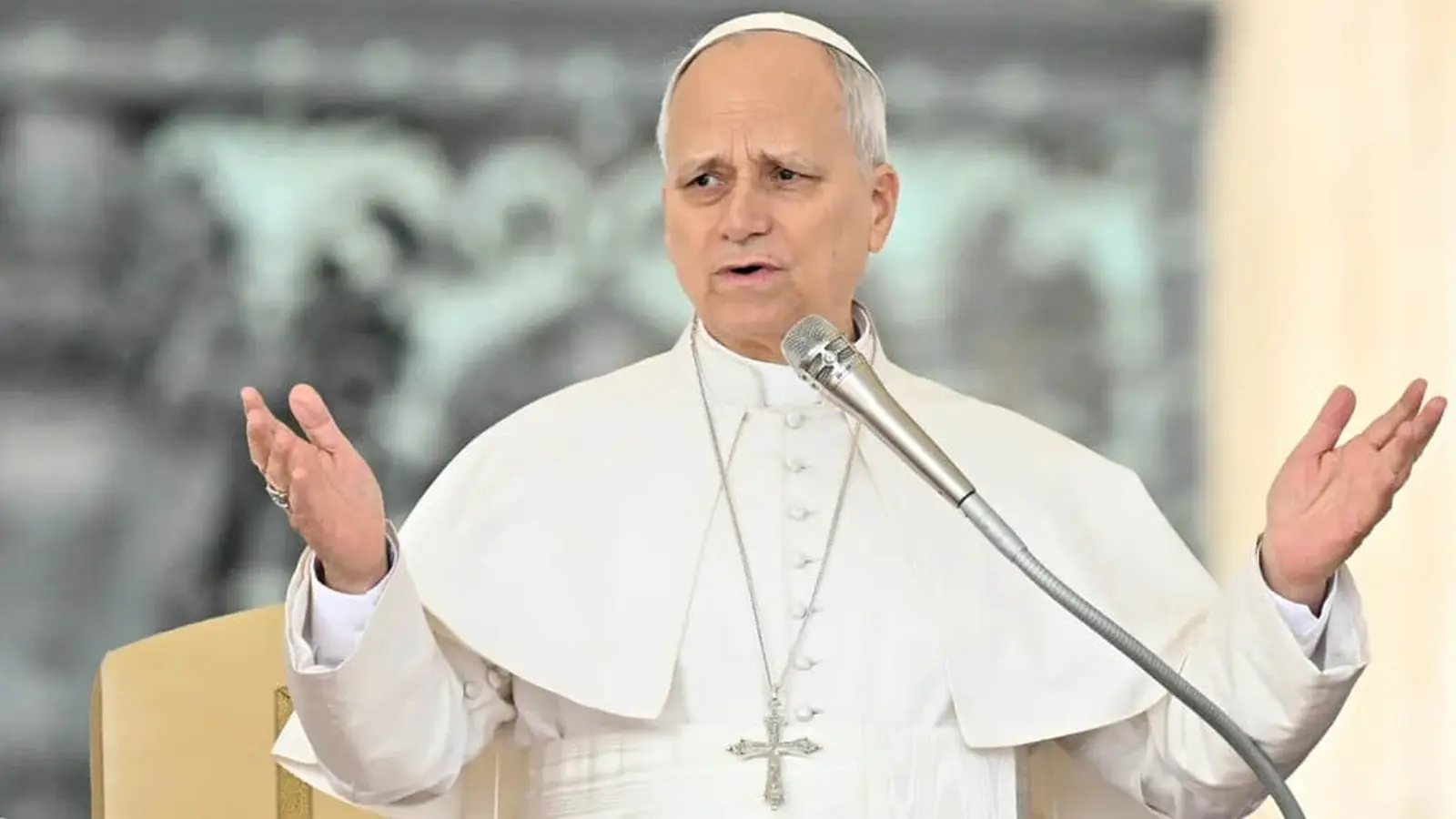
Pope Leo XIV has called for the "disarmament" of artificial intelligence systems and urged governments not to delegate decisions over life, liberty and the use of force to machines. He framed the appeal as a legal and security issue to be addressed at an upcoming Geneva meeting next month.
Call for concrete action at Geneva
In a Friday speech, the pope asked United Nations member states to take "concrete steps to prohibit lethal autonomous weapons." He said the stance is not merely an ethical warning but speaks directly to a legal and security debate that will be pursued in Geneva next month.
Human oversight and legal responsibility
Leo XIV said humans bear "the responsibility to steer, alter and, if necessary, reject applications" of artificial intelligence. He clarified that the term "disarmament" in this context does not mean abandoning AI wholesale; rather, the focus is on curbing applications that can cause death or harm without effective human judgment.
At the core of his argument he drew a legal boundary between instrument and agent, stating: "Machines are tools; not persons." He warned that granting rights or legal personhood to AI systems could blur human accountability, especially when a system's decision affects a person’s life, freedom or security.
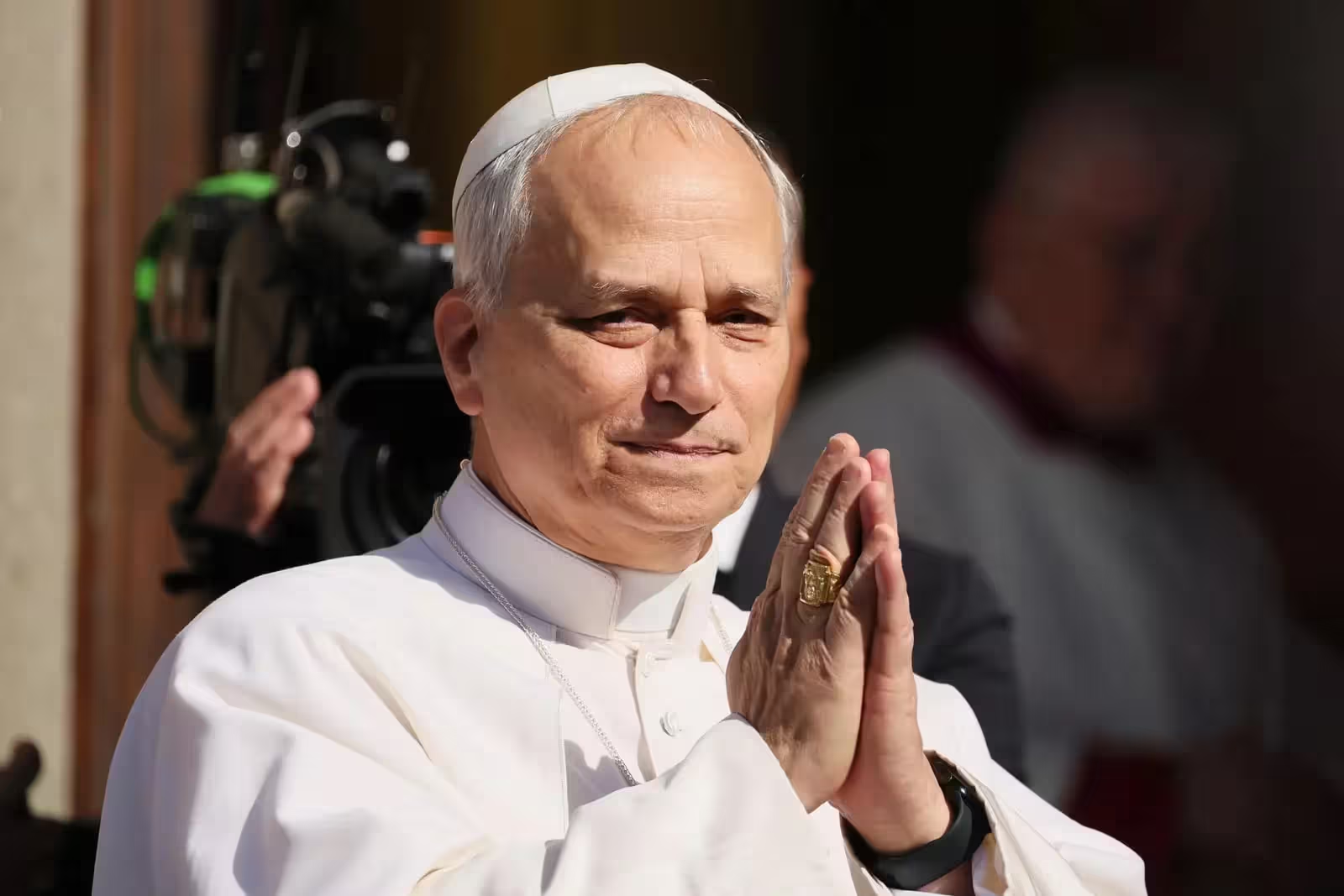
Decisions that affect life and liberty, and the use of force, must always remain under effective, informed and responsible human oversight.
Continuity with Vatican positions and papal context
The pope's remarks continue a line of Vatican positions on autonomous weapons. Pope Francis in 2024 similarly called for a ban on such systems, saying "no machine should ever be allowed to choose to take a human life." Leo XIV advances the same principle with a sharper emphasis on regulatory mechanisms and accountability.
Artificial intelligence has been a recurrent theme since the start of Leo XIV's pontificate. He has linked his choice of the name Leo to the technological challenges of the present, invoking a historical parallel with Leo XIII, who confronted the social and economic transformations of the industrial revolution. Leo XIV described rapid AI progress as a comparable transformation that requires an ethical and institutional response.
- Asked UN member states to ban lethal autonomous weapons at the Geneva meeting next month
- Insisted on human oversight and legal accountability for AI decisions affecting life, liberty and use of force
- Framed the issue as both ethical and a matter of international security and law
The pope positioned these demands as a continuation of his earlier document on protecting human dignity in the age of AI and extended that ethical framework to weapons policy, legal responsibility and international oversight.


Leave a Comment
Comments
No comments yet. Be the first.