
3 Minutes
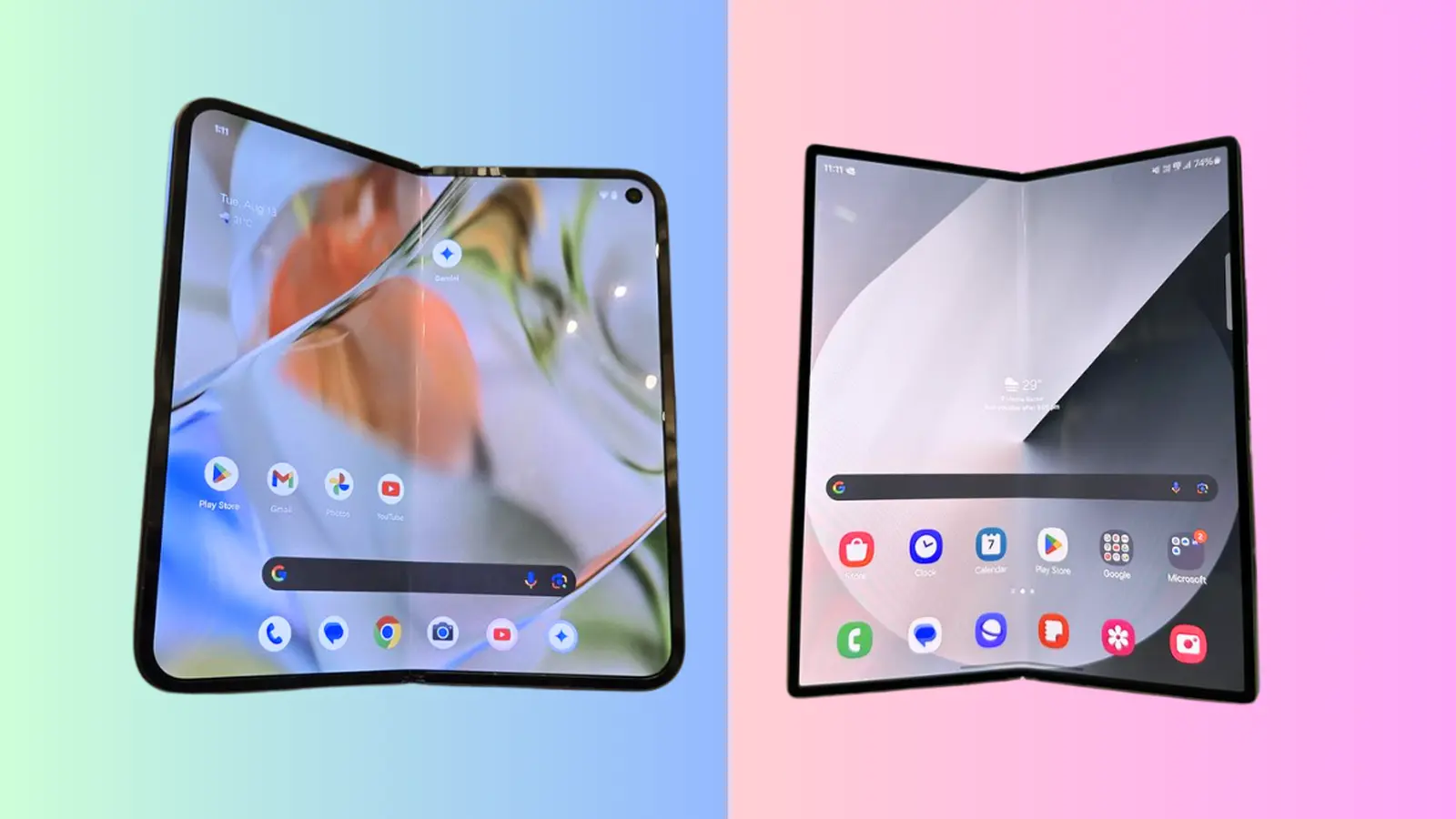
The foldable crease has been the smartphone equivalent of a paper cut: small, persistent, and oddly irksome. Samsung might be trying a new remedy — a chunkier layer of Ultra Thin Glass that could make the fold look, and feel, much closer to a single continuous surface.
Supply-chain sources say Samsung is testing a 60-micron UTG layer, a clear step up from the 45-micron glass that has become standard on recent models. The company reportedly plans to pilot this thicker glass on the Galaxy Z Fold 8 Wide — the broader, passport-style sibling — before deciding whether to bring it to the mainstream Z Fold 9. Smart move. Try first, scale later.
Why does thickness matter? Thin glass bends more easily, which helps with folding but makes the crease more visible and the panel more vulnerable. Thicker UTG trades a bit of flex for greater stiffness and resilience, so the fold sits flatter and resists day-to-day knocks better. Think of it like upgrading from tissue to fine paper; both fold, but one leaves a gentler mark.
For context: the Z Fold 6 used a 30-micron layer, and Samsung moved to about 45 microns in subsequent generations to improve toughness. Jumping to 60 microns would be another deliberate nudge toward durability, not a radical gamble. Meanwhile, the standard Z Fold 8 Ultra is expected to keep the current 45-micron glass, which lets Samsung compare real-world feedback across two design approaches.

There’s more than just glass at play. Engineers are also refining hinges and adding tougher protective layers under the display. The goal is practical: make foldables that stand up to heavy multitasking, long streaming sessions, and the rough life of a daily driver. Durability without losing the silky, hinge-first magic that makes foldables appealing.
Timing matters too. All of this comes ahead of Samsung’s rumored Unpacked event on July 22, 2026, in London. If the 60-micron experiment succeeds on the Z Fold 8 Wide, it could give Samsung a stronger story to tell at the keynote — and a clearer reason to nudge buyers toward the wider model or reserve the upgrade for the Z Fold 9.
Nothing is official yet, of course. But the narrative is familiar: small, iterative fixes that quietly move the category forward. For anyone curious about jumping into a foldable, these kinds of hardware tweaks are the sort of steady progress that turns a novelty into a practical tool.
If Samsung can tame the crease without compromising the fold, the next-gen Z Fold could feel less like a prototype and more like a true smartphone evolution.


Leave a Comment
Comments
No comments yet. Be the first.