
2 Minutes
Think processors were the price drivers in phones? Think again. Memory—RAM and storage—has quietly seized the crown, and it’s reshaping what we pay for handsets.
Carl Pei, Nothing’s co-founder and CEO, made the observation bluntly on X on June 12: memory costs are no longer a side note. For many devices today, RAM and storage together can account for more than half of a phone’s bill of materials. That’s a seismic shift in the economics of making a smartphone.
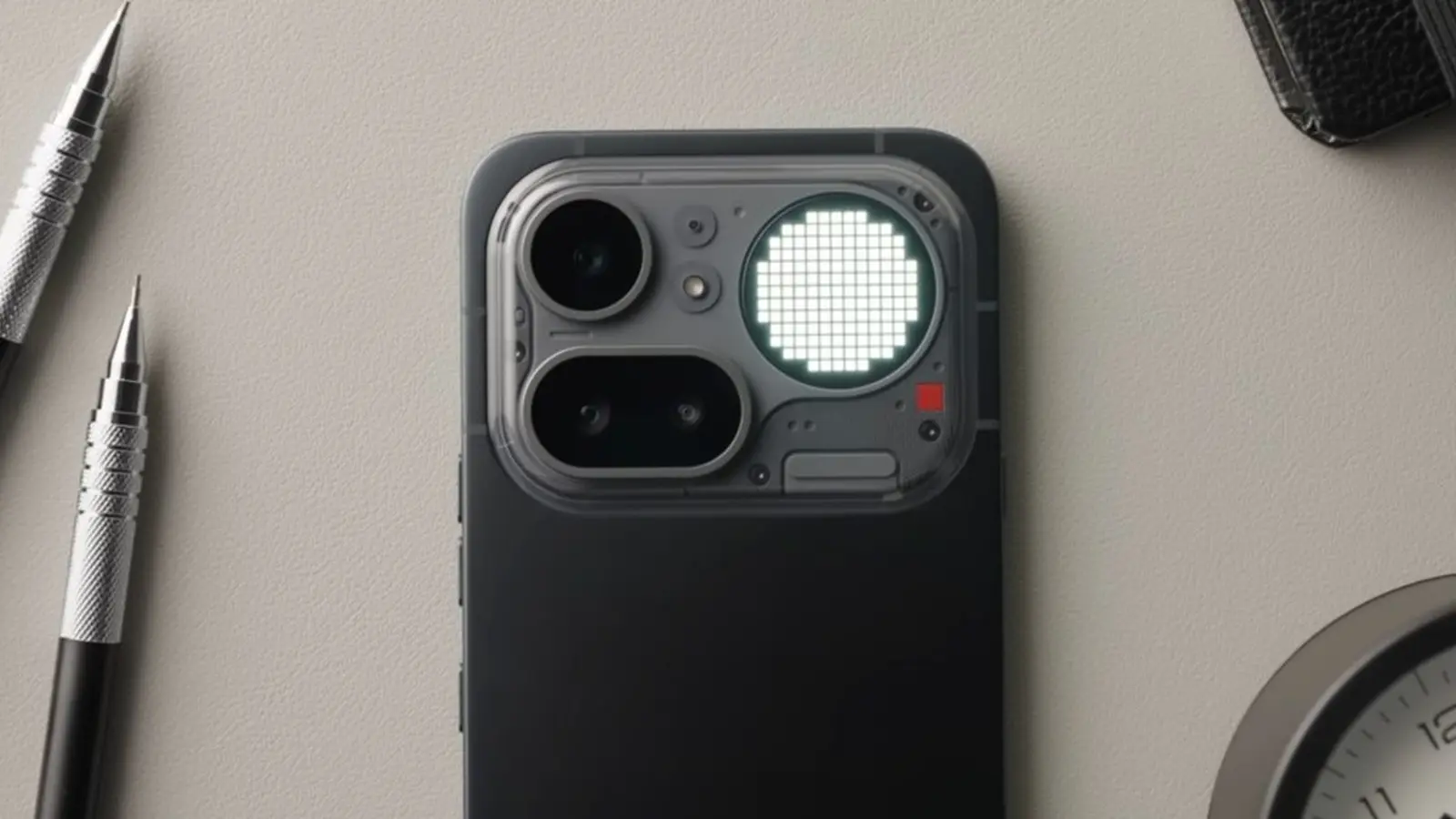
The numbers are stark. According to Pei, Nothing’s Phone (4a) saw memory costs double between the moment the company greenlit the design and the phone’s launch. Those costs doubled again after the model hit shelves. Imagine final retail math being rewritten after you’ve already priced your product. Tough choices follow—component swaps, feature trade-offs, or higher retail prices.
Suppliers are rationing inventory. Manufacturers no longer place unlimited orders; they work within quotas and often pay premiums to secure what they need. The result: some recent launches have arrived roughly $100 pricier than their predecessors. The era of predictable, deep promotional discounts is fading fast.
Memory inflation, driven by a DRAM spike from the AI-driven demand in 2026, has pushed component costs up by roughly 10–30% depending on the device—and budget and mid-range phones are feeling the pinch most painfully. Premium models aren’t immune, either. Nothing itself raised prices on both the Phone (4a) and Phone (4a) Pro across all variants shortly after their March debut.
It’s not just Nothing. Samsung, Xiaomi, Google—every major brand is recalculating. And the squeeze is spilling beyond phones. I spotted a Lenovo ThinkBook 16 with an AMD Ryzen 5 7535HS on Amazon listed nearly double the price it carried in January 2026. Memory shortages ripple through laptops, tablets, and anything else that needs DRAM and NAND.
So what should a buyer do? Pei’s advice was simple and delivered with a wink: the best time to upgrade was yesterday; the second-best time is now. Waiting can mean missing a deal—and paying more when the next wave of components comes at a higher price. If you’re in the market, timing matters as much as specs.
Prices move, supply tightens, and manufacturers adjust. The only certainty is that memory has become the tail that wags the smartphone dog—so keep an eye on specs and act when the numbers make sense for you.


Leave a Comment
Comments
No comments yet. Be the first.