
2 Minutes
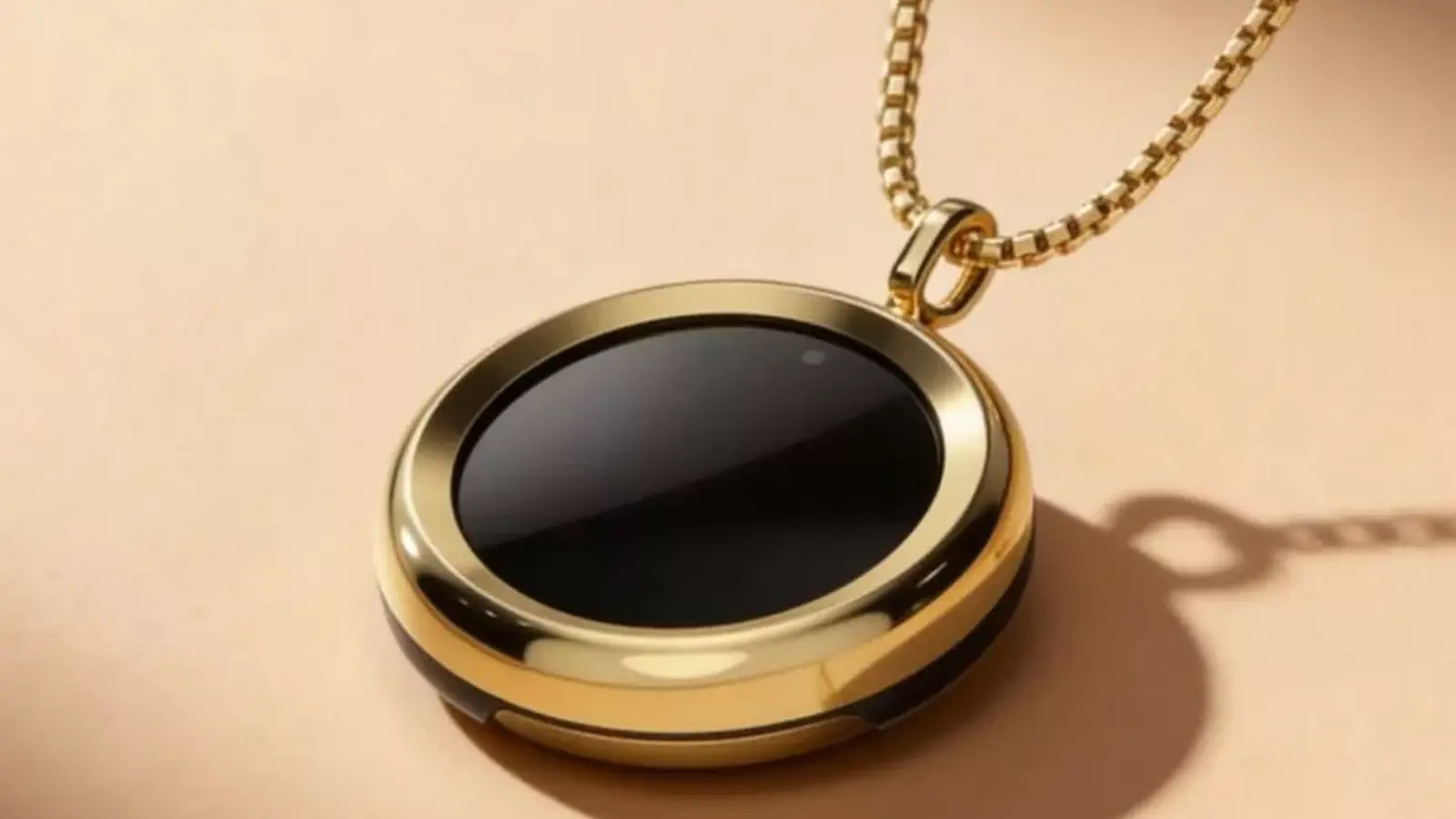
How long were you actually in the sun today? For most of us, the answer is an educated guess—until now. The90 has taken a familiar idea—wearables that turn daily life into measurable data—and aimed it at one of our oldest health risks: sun exposure. Their new pendant, called Gem, slips into a titanium case and carries a tiny circular sensor designed to read both UVA and UVB radiation, translating invisible rays into actionable numbers.
Short rays. Long-term risk. UVA pushes deep and accelerates aging; UVB hits the surface and can mutate DNA. Gem doesn’t treat those distinctions as abstract facts. It logs exposure in real time, then connects to an app on iOS or Android that interprets the dose according to your skin type and current conditions.
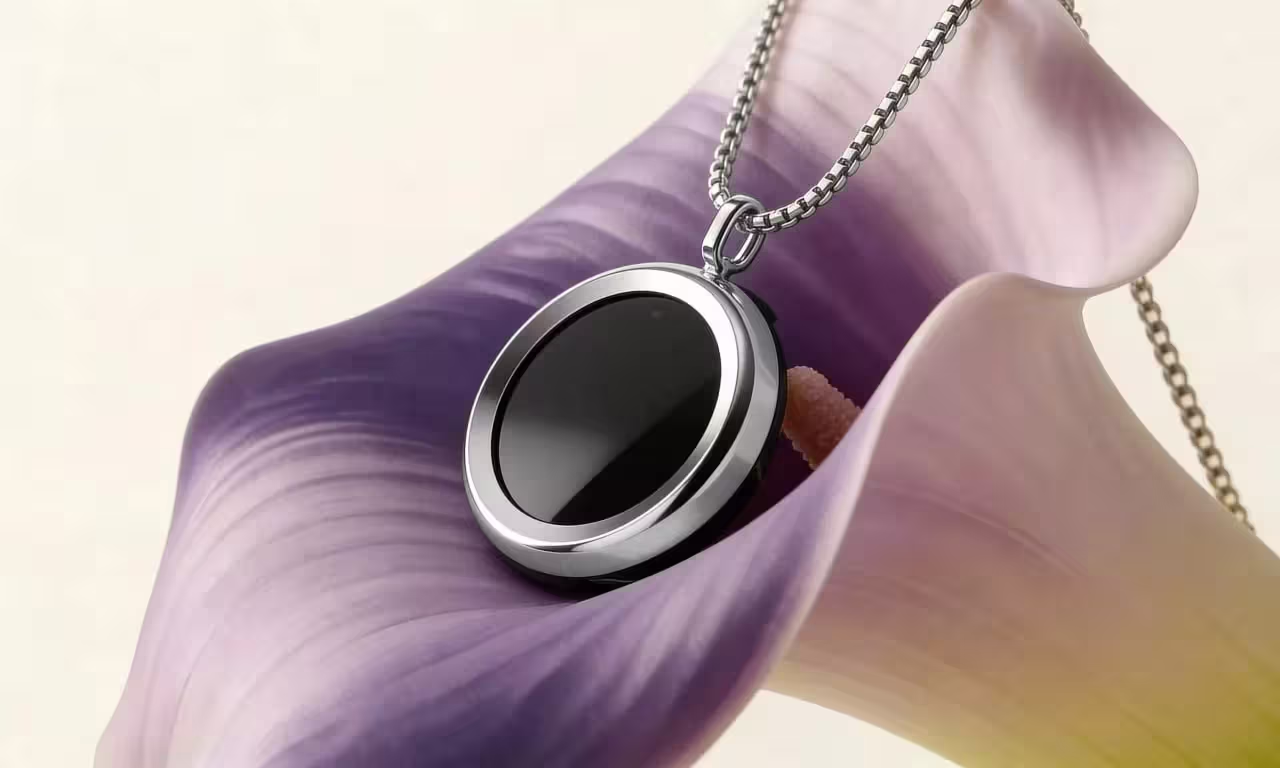
The hardware is compact and deceptively robust. One charge powers the pendant for up to a week. The sensor tolerates splashes. The shell is titanium. The design currently leans toward a female audience and comes in silver and gold, priced at $199, though The90 says male and kids’ versions are on the roadmap, along with alternative mounting options for different lifestyles.
What makes Gem more than a vanity piece is the software intelligence. The app nudges you when it’s time to reapply sunscreen, suggests when to cover up or step into shade, and even helps balance vitamin D goals against sun risk. After-sun care tips and clothing recommendations are folded into the same interface, so the device becomes a daily coach rather than a one-note alarm.
Think of it as a UV odometer. Smartwatches count steps; Gem counts exposure. And the result isn’t just raw data: it’s a context-aware reading that factors in skin sensitivity and environmental conditions to offer personalized guidance.
There are trade-offs. The pendant sits outside clothing, where readings can be influenced by angle and coverage. It’s splash-resistant, not dive-ready. And because the current styling targets one demographic, broader adoption will depend on the manufacturer’s plans for form factors and price points aimed at families and men.
Still, the promise is clear. We’ve accepted wearables that track sleep, heart rate, and steps. Why not a device that tells you when your next sunscreen application could protect you from a lifetime of damage? Small sensors. Big prevention. If Gem delivers on its real-world accuracy, it could quietly change daily sun habits—one reminder at a time.


Leave a Comment
Comments
No comments yet. Be the first.