
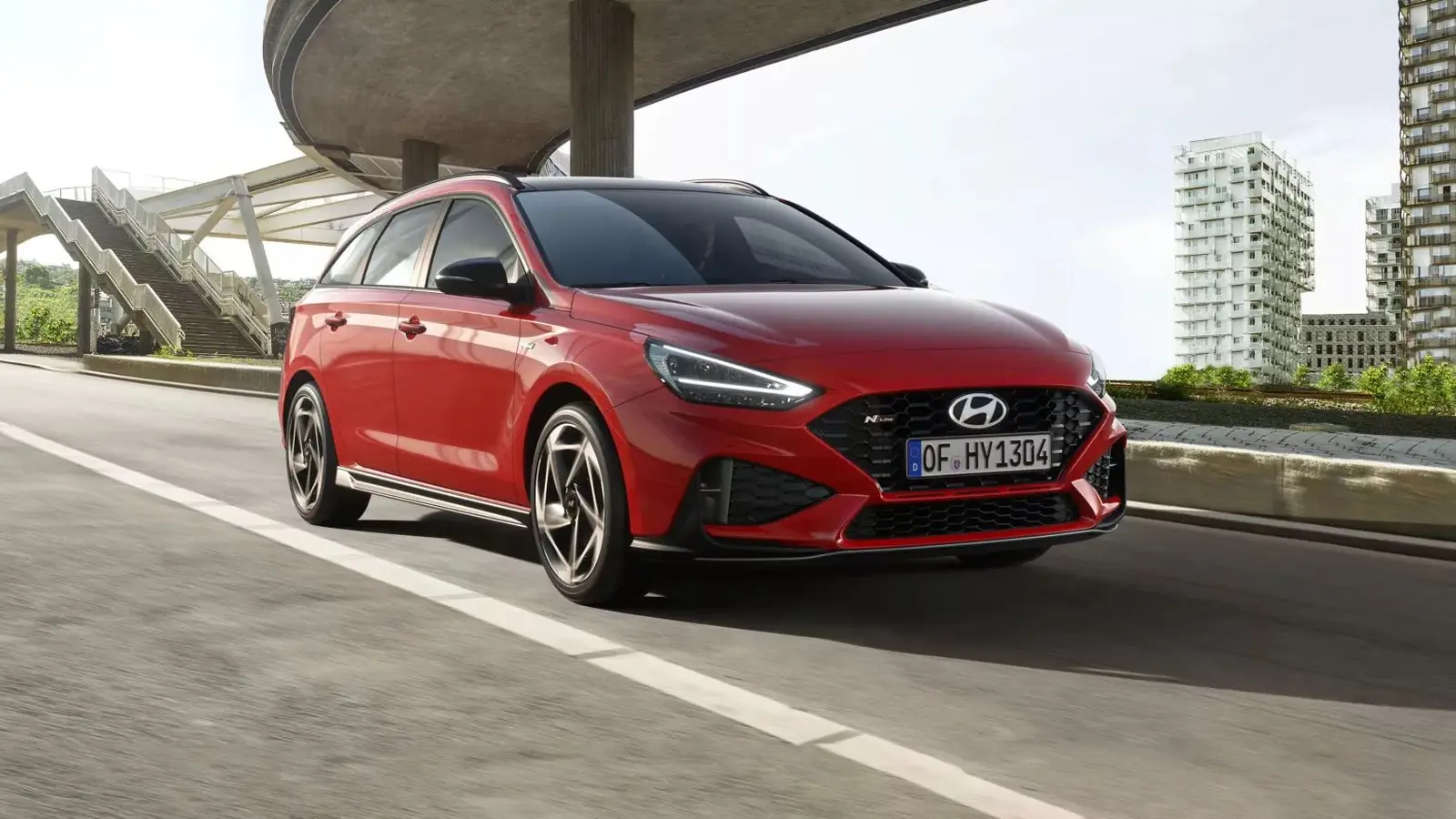
End of the road for the i30 Estate
Hyundai is preparing to withdraw the i30 Estate from European showrooms as demand for traditional station wagons collapses in favor of crossovers and compact SUVs. The move, confirmed in conversations with automotive press, reflects a wider shift across the industry: two-row estates are becoming niche products where they remain available at all.
Why Hyundai is moving away from wagons
Xavier Martinet, president and CEO of Hyundai Motor Europe, has indicated that new estate models are not part of the company's near-term product plan. With fleet buyers and private customers both preferring higher-riding crossovers, the business case for a successor to the i30 Wagon - also known as the i30 Kombi - is weak. Fleet adoption, in particular, has driven down margins through steep pricing pressure, making profitability an uphill battle for compact estates.
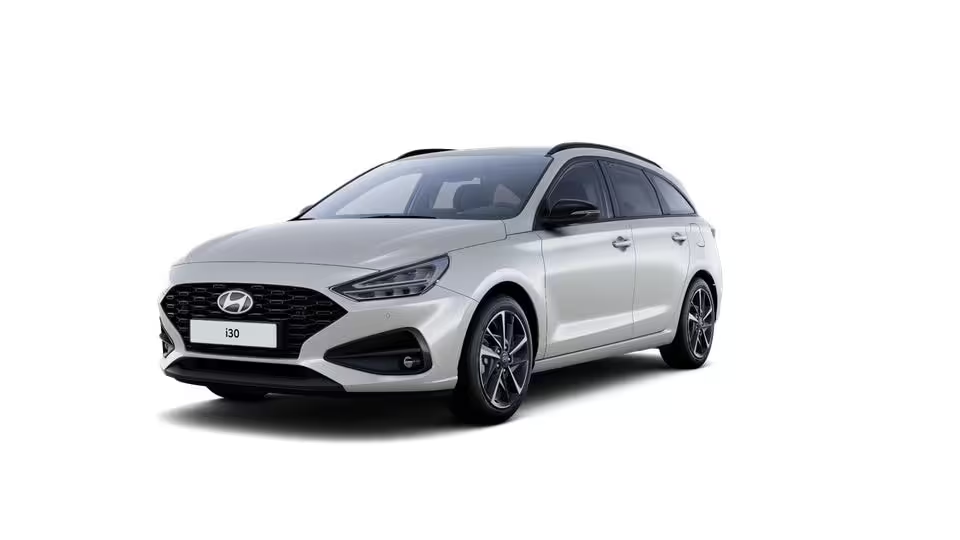
This transition is not limited to Europe. Martinet noted that wagons are largely ignored in the United States and China as well, which further undermines the global viability of developing new longroof models.
Market realities: crossovers vs station wagons
Crossovers offer similar everyday practicality to estates but with stronger retail appeal and higher profit margins. For manufacturers, that combination makes crossovers a smarter allocation of development and marketing resources. Hyundai's decision mirrors what many rivals have already done: shrink or eliminate wagon lineups in favor of SUV-derived models.

Key reasons for the decline of the estate segment:
- Rising consumer preference for crossovers and compact SUVs
- Fleet pricing pressure reducing profitability of estates
- Limited global demand outside of a few European markets
- Better margins and broader appeal of crossover platforms
Where the i30 Estate still matters
Despite declining sales, the i30 Kombi remains valued by drivers who prize the lower center of gravity, superior handling and aerodynamic advantages of a wagon. In Germany, the i30 Wagon continues to be seen as one of the more practical compact options, fusing a low-slung profile with real cargo flexibility.
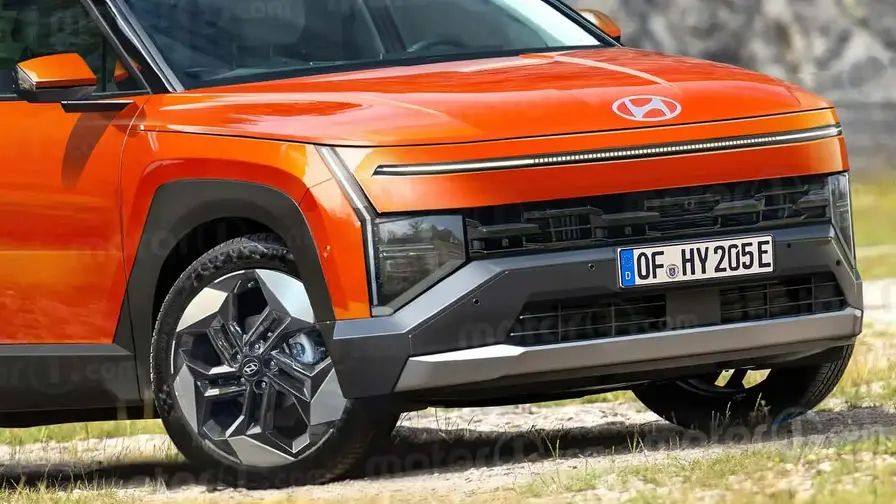

Specifications that still appeal to buyers include the 1.6-liter turbo four-cylinder producing around 110 kW (148 hp), a seven-speed dual-clutch transmission and a WLTP fuel consumption figure around 6.3 liters per 100 km. That roughly equates to 37 mpg on old US measures. Interior highlights include 10.3 inches of touchscreen infotainment and modern digital connectivity features that keep the model competitive against newer crossovers.
Production and lineup context
The i30 Wagon shares production with its hatchback siblings at Hyundai Motor Manufacturing Czech in Nosovice, the brand's only plant within the European Union. As of mid-2026 the factory has an annual capacity of up to 350,000 vehicles. Output is heavily skewed: the Tucson accounts for more than 75 percent of production, while the entire i30 range represents a little over 10 percent of the factory's throughput.
Every i30 leaves the Nosovice plant having completed dynamic evaluations on the facility's open-air test track, a detail that underlines Hyundai's focus on driving quality even as it trims model variety.
What this means for buyers and the market
For drivers who still prefer a compact estate, the i30 Wagon remains an attractive option while stocks last in many markets. However, with the model removed from the UK line-up in 2025 and no successor planned, availability will shrink over time.
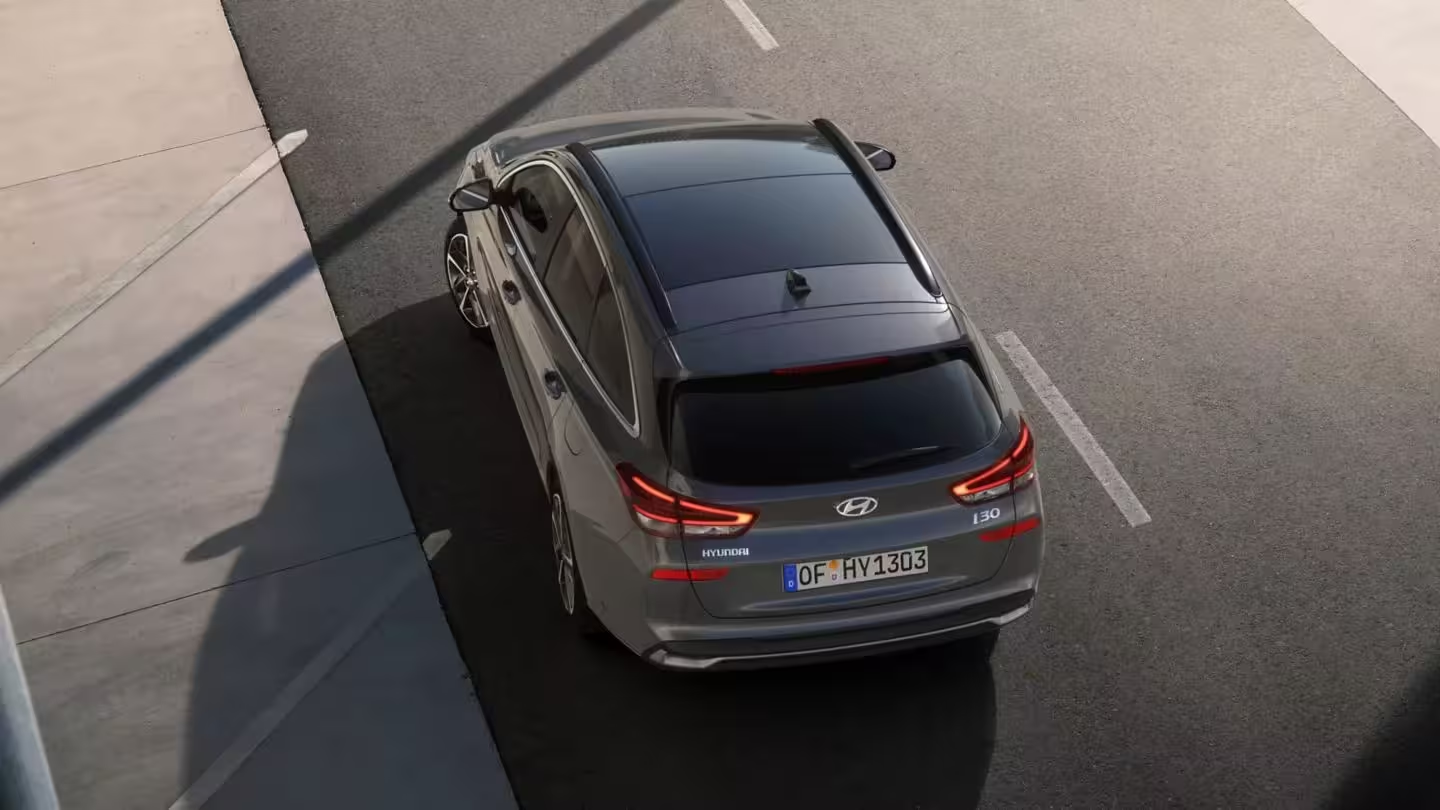
For the industry, Hyundai's choice is pragmatic: follow consumer demand and prioritize segments with broader margins. For enthusiasts, it is another reminder that practical, low-slung wagons have been slowly eclipsed by the SUV era.
Highlights:
- i30 Kombi offers engaging handling and efficient powertrains
- 1.6 T-GDi: 110 kW / 148 hp, 7-speed DCT, 6.3 L/100 km WLTP
- Produced in Nosovice, Czechia; plant capacity 350,000 units
While the i30 Estate exits center stage, it will likely retain a small, loyal following among drivers who value the traditional station wagon formula. But as buyers continue to favor crossovers, autos like the i30 Kombi will become increasingly rare on European roads.

Leave a Comment
Comments (2)
Is Hyundai really dropping the wagon? Fleet buyers killed it... who even chooses SUVs for mpg? Weird market logic
Didn't see this coming, kinda sad, loved the wagon feel. Still, crossovers are just... everywhere now. Hope a niche maker keeps the spirit alive, even if sales are tiny.