
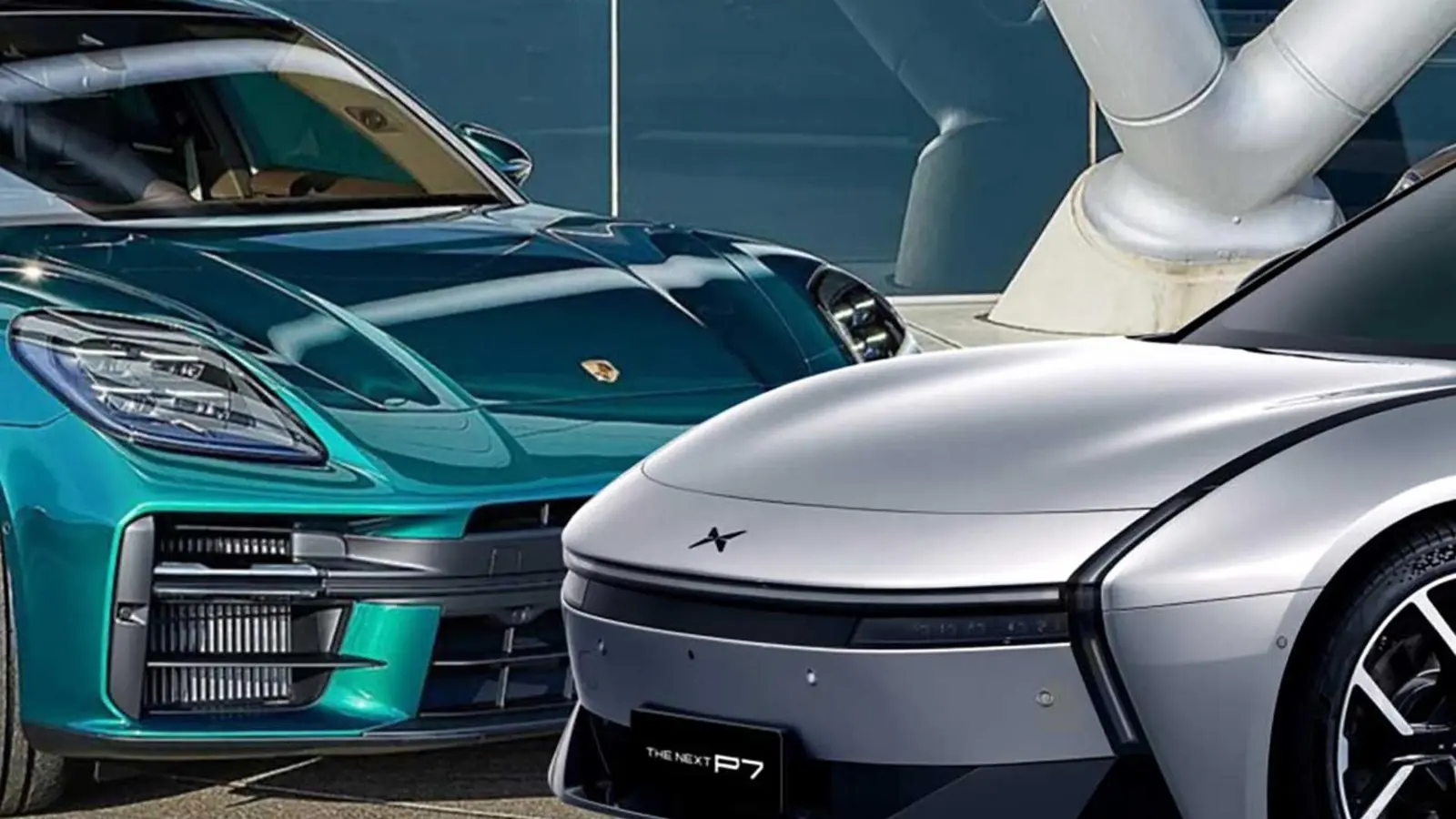
Porsche switches partners to manage EU CO2 targets
Porsche has surprised the automotive world by opting out of combining its European CO2 figures with the Volkswagen Group for 2026–2027 and instead joining an emissions pooling alliance with Chinese automaker Xpeng. The move is a strategic effort to reduce the group's fleet average emissions and avoid heavy European Union fines tied to CO2 targets.
Why the shift matters
In 2025 the Volkswagen Group's fleet average in Europe stood at about 100 g/km CO2 when Porsche was included — above the EU ceiling of 93.6 g/km. Non-compliance risks are costly: current penalties are approximately €95 per gram of excess CO2 per car, and projections showed the group could face fines approaching €1.5 billion between 2025 and 2027 if averages were not improved. By removing Porsche from the VW pool, Volkswagen’s averaged emissions improve significantly, improving its chances of meeting the bloc’s strict targets.

Porsche’s decision reflects commercial and market realities. Sales of Porsche electric models in Europe have softened recently, with demand for the Taycan and the Macan EV easing. Simultaneously, Porsche has nudged some of its strategy back toward internal-combustion models, which has pushed its fleet average up relative to fully electrified peers.
What Xpeng brings to the table
Xpeng’s European sales surged in the first half of the year: roughly 19,000 EVs sold, a 126% jump compared with the prior period. Pooling Porsche’s fleet with Xpeng’s low-emission EV lineup helps lower the combined average CO2 figure, a legal and cost-effective route to comply with the EU’s regulations.
Details about how much Porsche will pay Xpeng for the partnership have not been disclosed. Executives at Porsche reportedly calculated that the cost of joining the Xpeng alliance is far preferable to exposure to multi-hundred-million euro fines.
Highlights:
- EU CO2 cap (2025 target): 93.6 g/km
- VW group average (with Porsche in 2025): ~100 g/km
- Penalty rate: ~€95 per excess gram per vehicle
- Potential fines: up to ~€1.5 billion (2025–2027 window)
- Xpeng Europe H1 sales: ~19,000 EVs (up 126%)

Broader context: emissions alliances in Europe
Porsche and Xpeng’s alliance remains open to other manufacturers until December 31. Emissions pooling has become an industry playbook in Europe: Tesla leads a coalition that includes Ford, Honda, Mazda, and Suzuki, while Mercedes-Benz is in a separate pact with Volvo, Polestar, and Smart. These cooperative arrangements allow brands to balance high-emission models with low- or zero-emission sales across combined fleets.
This particular pairing might seem unlikely at first glance, yet Volkswagen Group and Xpeng already have deep ties in China, collaborating on shared platforms and co-developing models for the Chinese market. That history likely eased negotiations and made the alliance a practical option for Porsche.
For buyers and market watchers, the deal is another signal of how regulatory pressure is reshaping manufacturer strategies: alliances, platform-sharing, and fleet-management tactics are as important as technical advances in batteries and powertrains when it comes to meeting climate rules. Whether this approach will prompt more unexpected partnerships remains a key storyline for the European EV market and global auto industry.


Leave a Comment
Comments
No comments yet. Be the first.