
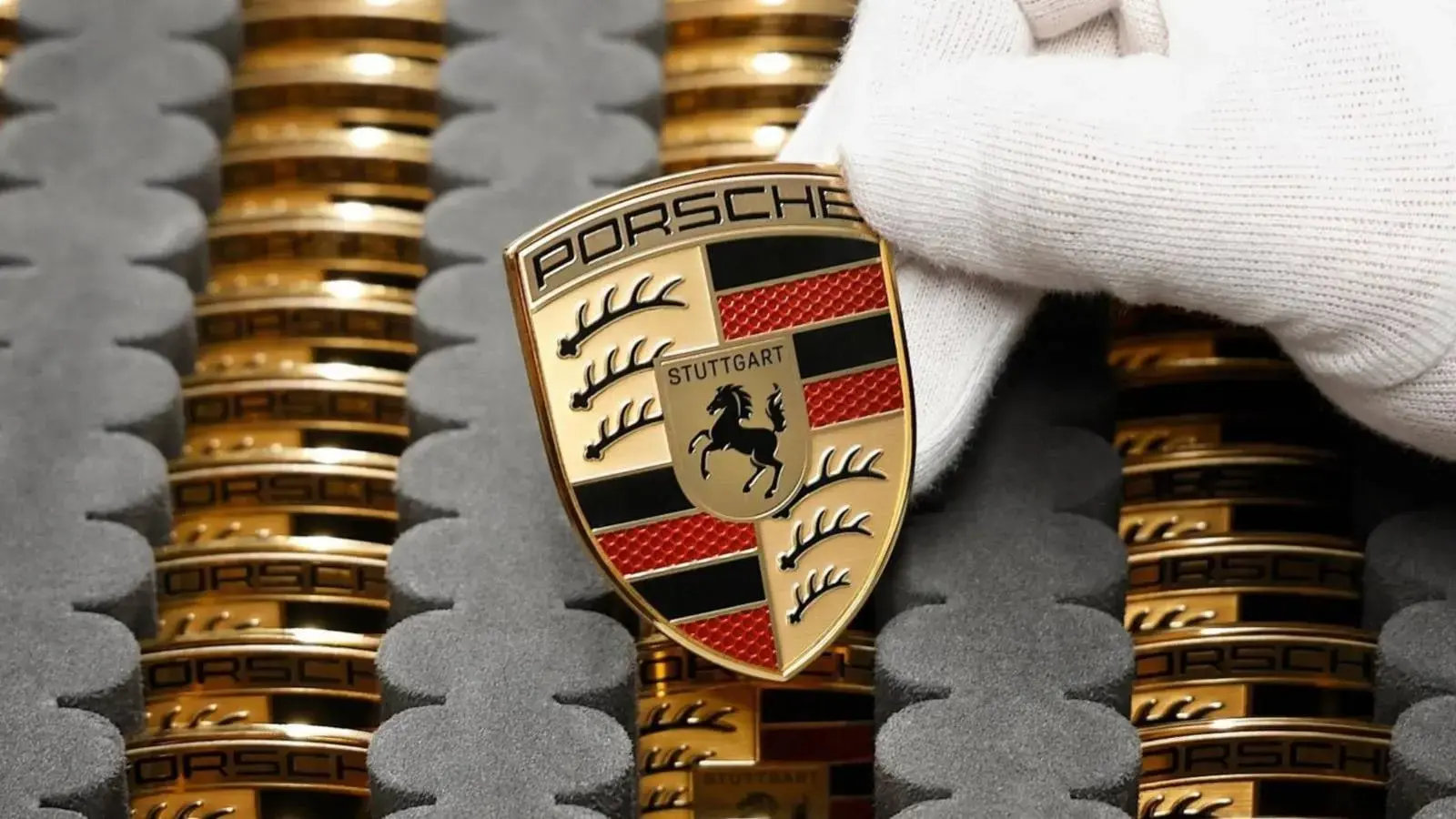
Porsche now ranks as the world’s most valuable luxury brand but is reporting sharply weaker profitability as it absorbs heavy electrification costs, trade tariffs and regional demand shocks. The contrast between brand value and near-term financial performance has prompted leadership changes and a broader restructuring at Volkswagen Group.
Brand valuation and deteriorating operating margins
According to a Brand Finance assessment, Porsche sits atop the list of the world s most valuable luxury brands, ahead of competitors such as Ferrari (ranked eighth), Lamborghini (18th), Rolls-Royce (24th) and Bentley (25th). Despite that market perception, CarBuzz reports a significant decline in Porsche s operating profitability; operating margin has fallen to a level below Volkswagen Group s value-oriented brand Škoda. Four years ago, at the Frankfurt IPO, Porsche s market value was estimated at about €75 billion (near $85 billion). The offering of 911 million shares raised more than €9 billion of fresh capital for Volkswagen Group to fund the shift to electric vehicles, but asset values and earnings have since weakened.
Electrification costs, product changes and regional demand shifts
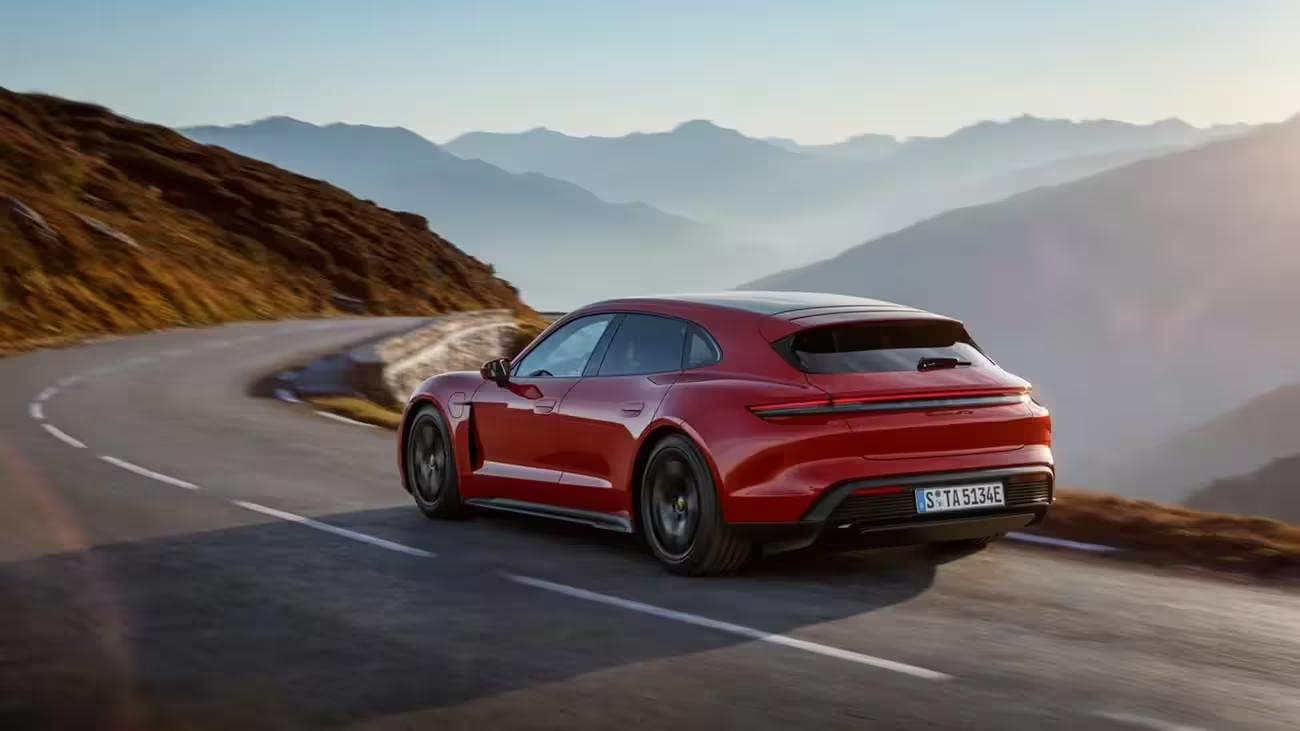
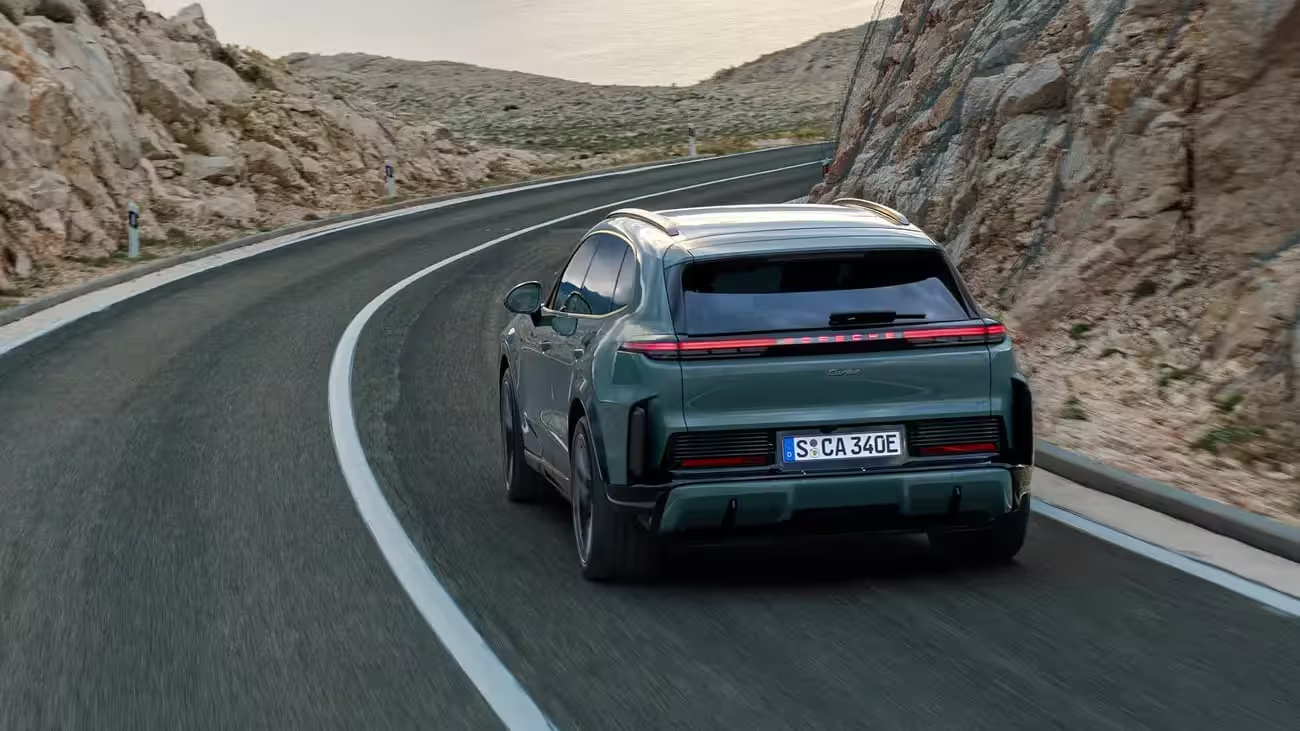
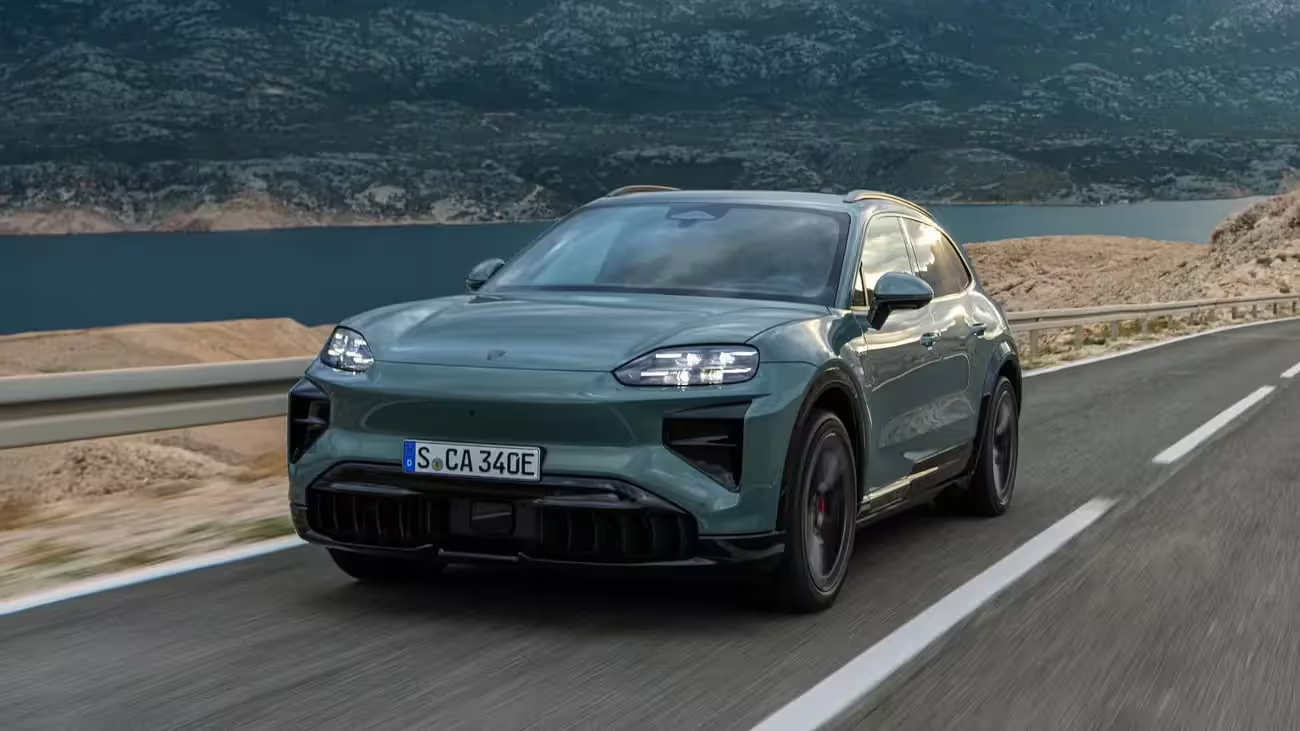
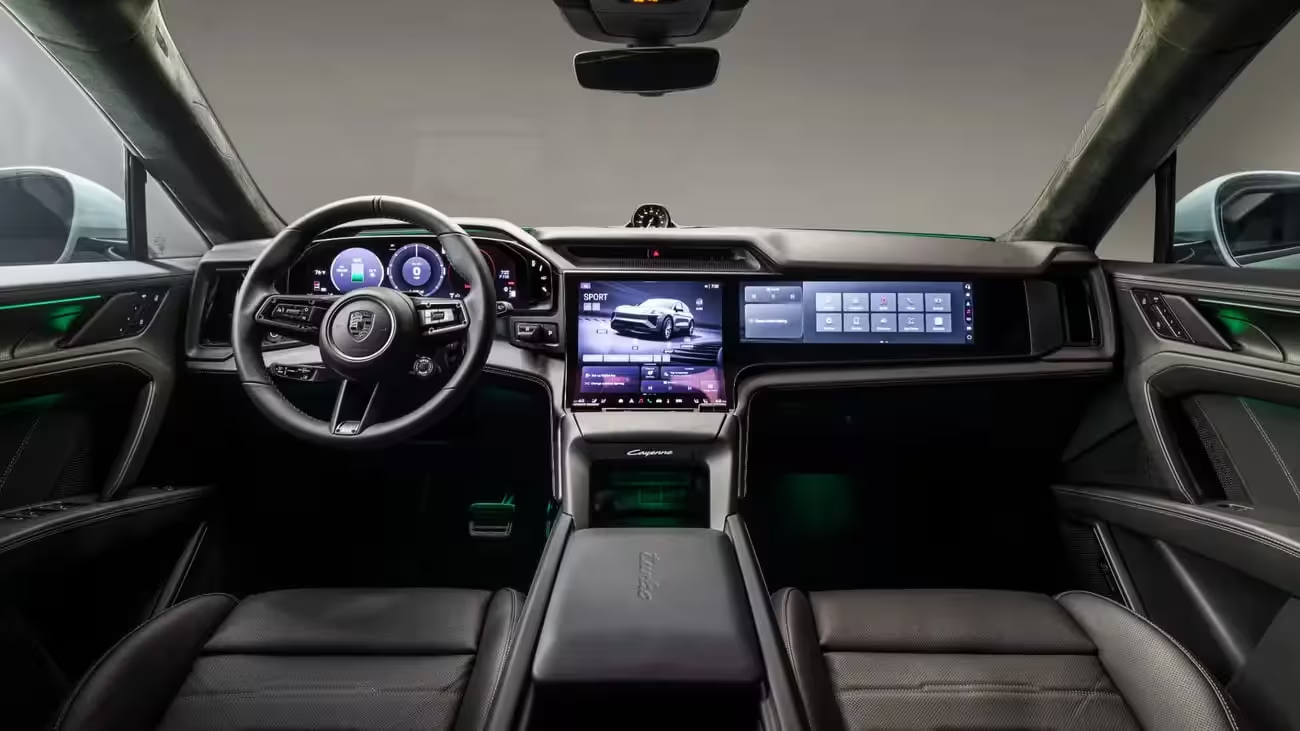
Porsche s transition to battery-electric vehicles has generated substantial development and production costs. The Taycan and Taycan Cross Turismo, alongside the Panamera sedan, continue to sell steadily, and Porsche expanded its electric range with the Macan EV in 2024 and an electric Cayenne. Development of a new, fully electric generation of the 718 series has been delayed because of technical and financial complexity. Porsche has also introduced hybrid systems in the 911 lineup, notably the 911 GTS and 911 Turbo S, integrating small electric motors into turbocharger and transmission architecture; these systems increased R&D expense.
Market dynamics have compounded the cost burden. In the United States, the gasoline Macan outsold the electric Macan two to one before Porsche halted combustion-engine Macan production; the gasoline Macan was subsequently retired to support emissions targets. Globally, Porsche reported that the electric Macan overtook the internal-combustion model in 2025, but falling demand in key markets such as China eroded volumes. Porsche recorded $4.5 billion of exceptional charges last year, of which about $1 billion was directly attributable to trade tariffs and roughly $2.7 billion to measures intended to stabilize finances and address declining sales in Asia.

Volkswagen-wide restructuring, leadership changes and historical perspective
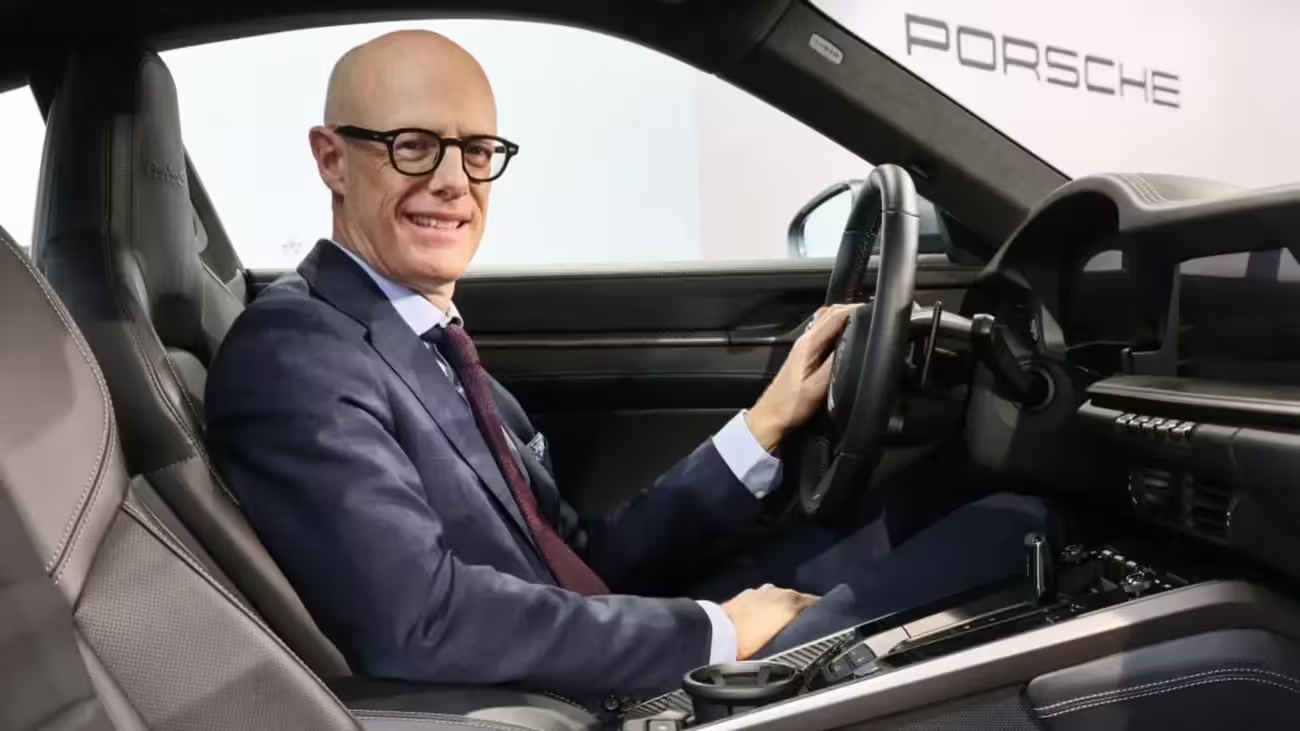
Pressure at Porsche coincides with a broader crisis for Volkswagen Group. VW has warned of a profit shortfall of about €10 billion for 2026 and announced an austerity program called Future Plan 2030. In January 2026 Michael Leiters, former chief executive of McLaren and former chief technical officer at Ferrari, took over engineering and executive leadership at Porsche; management says a mid-term operating margin of 10 to 15 percent remains achievable, but restructuring will be difficult under current cost structures. Senior automotive journalist Ian Wright summarized the situation as Volkswagen being caught in multiple concurrent challenges: US tariffs, weakening demand in China, rising competition from emerging Chinese automakers, higher energy costs and shareholder expectations for year-on-year profit growth.
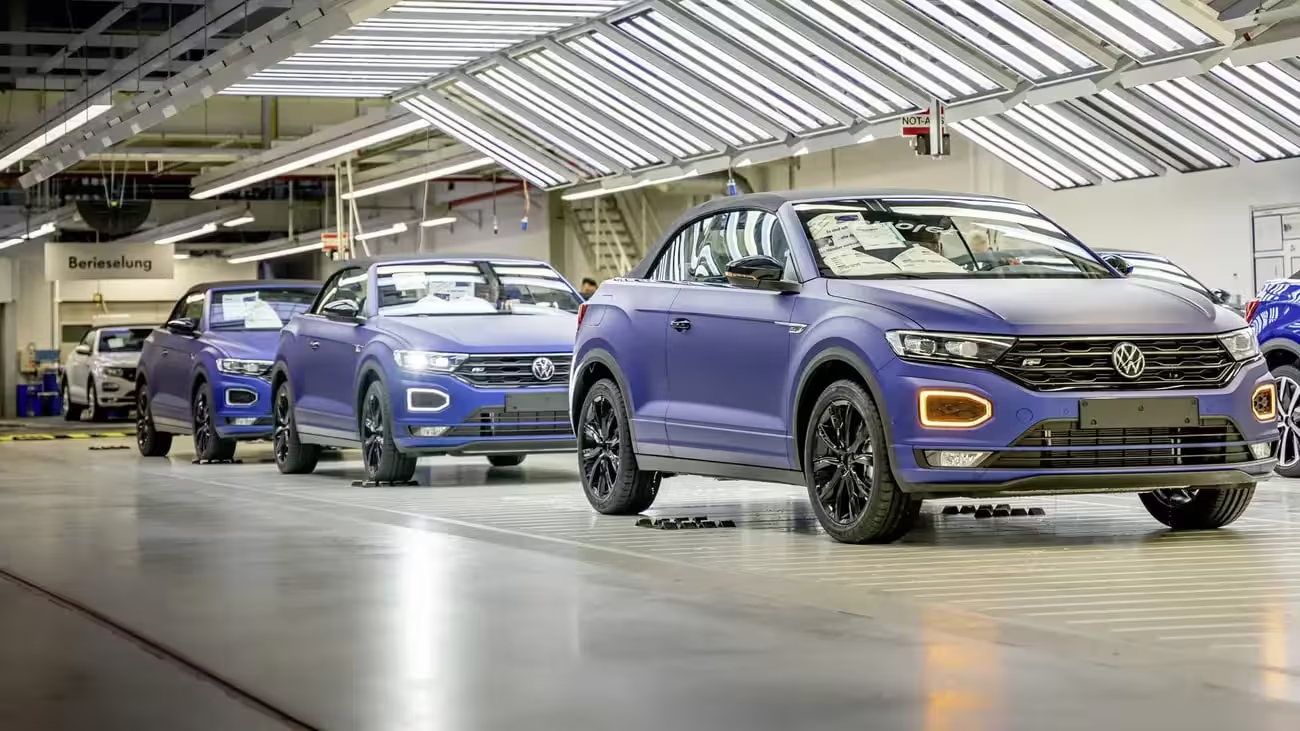
Planned adjustments across Volkswagen Group include workforce reductions and potential plant closures. Reports describe cuts of up to 140,000 positions across managerial layers and assembly lines and possible shutdowns or repurposing of long-standing facilities. Among sites mentioned are:
- Osnabrück (125-year-old plant) scheduled to close in 2027; it assembled the 718 Boxster, 718 Cayman and the Volkswagen T-Roc Cabriolet
- Emden
- Zwickau
- Hanover
- Neckarsulm
Those latter facilities are reported as possible candidates for closure or reconfiguration, a group of moves that could affect some 40,000 employees. VW s sale of Bugatti in September 2026 freed more than $1 billion in cash, but the group must still increase parts and platform integration across brands including Audi, Porsche, Cupra, Lamborghini and Škoda to improve efficiency.
Porsche s current difficulties echo past crises. In the late 1990s the company faced severe liquidity stress but restructured its lineup with the Boxster alongside its flagship 911, and the 2002 introduction of the Cayenne SUV became a major profit contributor. Executives and engineers now face a similar need to balance loyalty to combustion-engine heritage with heavy investment in an electric future.


Leave a Comment
Comments (1)
Wow Porsche #1 in value but profits tanking - surreal. EV costs, tariffs, China slump... hope they save the 911 soul, not just numbers