
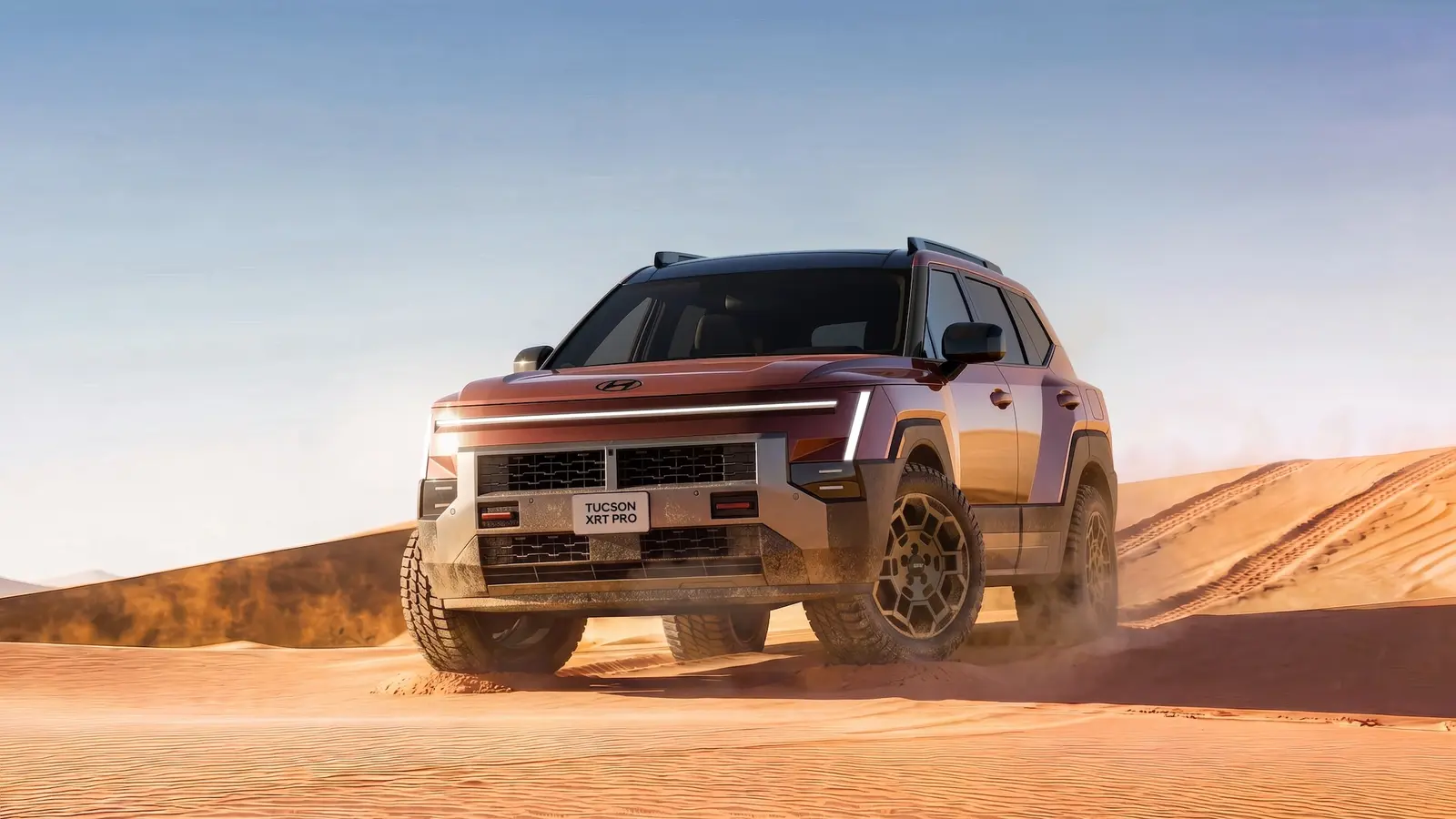
Hyundai has replaced the Tucson's naturally aspirated base engine with a new 1.6 liter turbocharged four cylinder, producing 184 horsepower in base form, as part of the fifth generation redesign unveiled in Manhattan.
The all new 2027 Tucson also debuts a markedly boxier exterior and a larger footprint as Hyundai moves the model toward its Art of Steel design language. The company showed the revamped crossover in New York, emphasizing a more angular silhouette, a fully redesigned interior centered on a large floating touchscreen, and a reworked powertrain lineup that includes the new turbocharged base engine and a 233 horsepower hybrid.
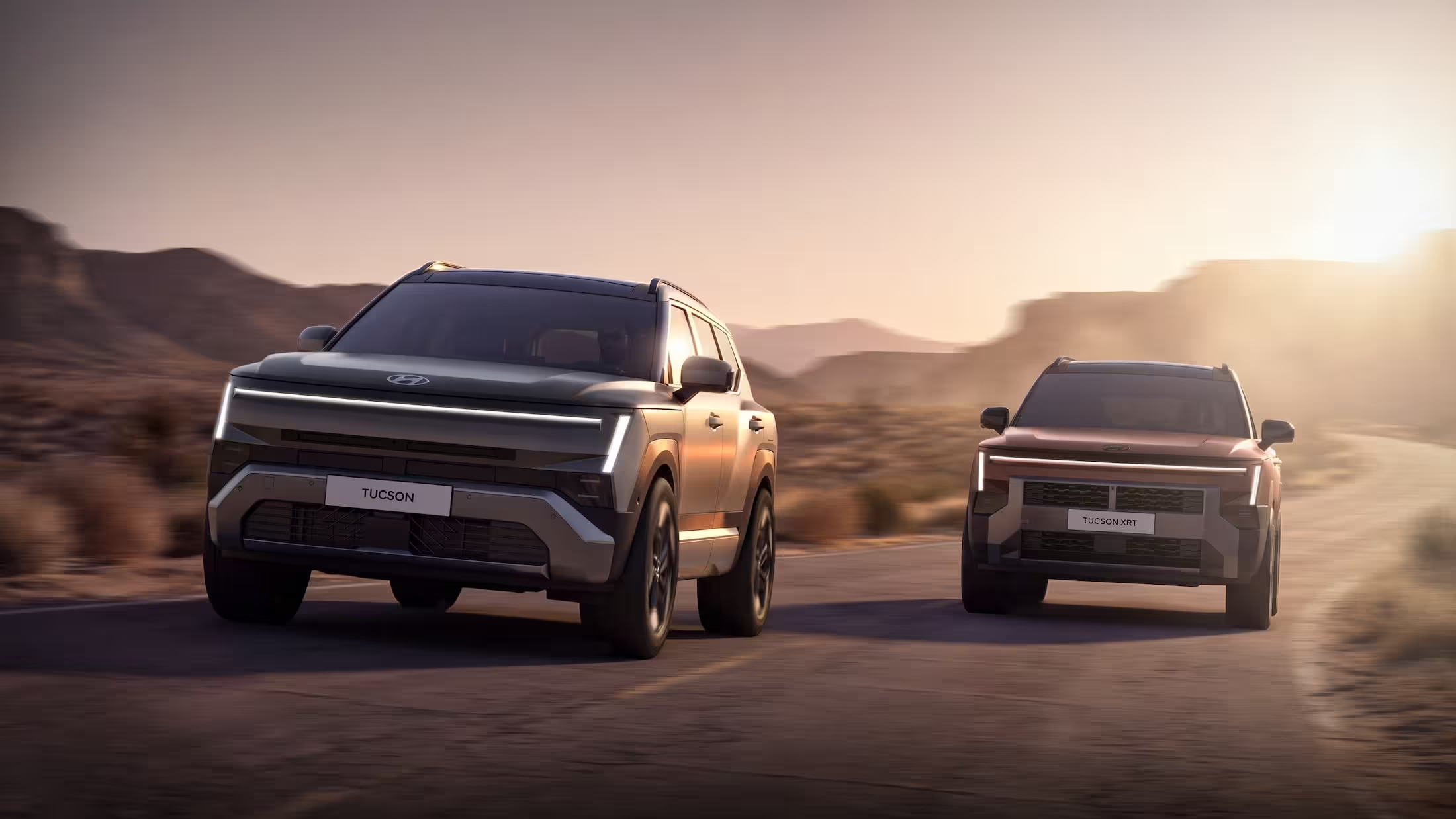
The new Tucson is longer, wider and sits on a stretched wheelbase while managing to reduce its drag coefficient from 0.33 to 0.30 through active air flaps and a sleeker rear spoiler.
Design and dimensions
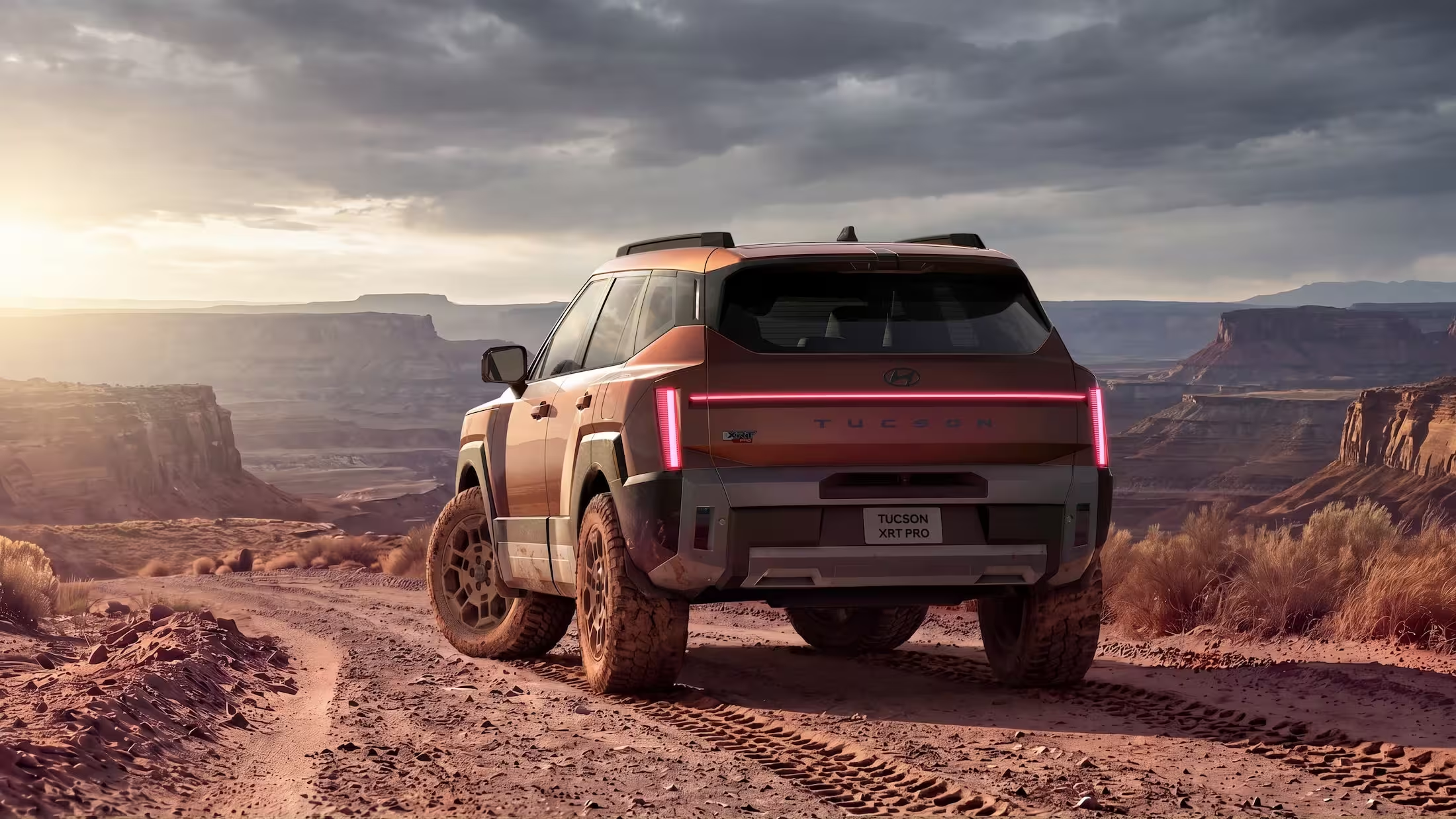
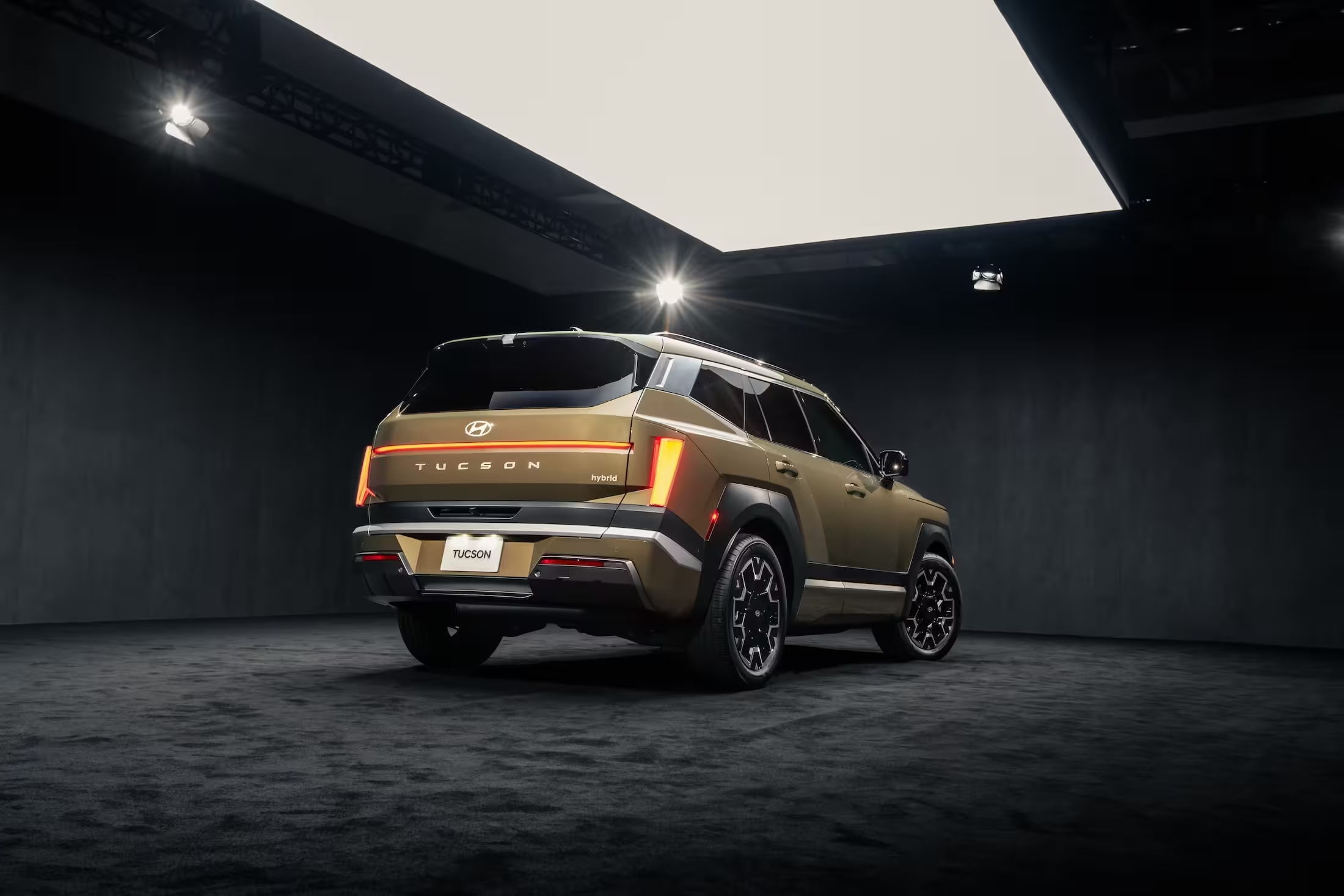
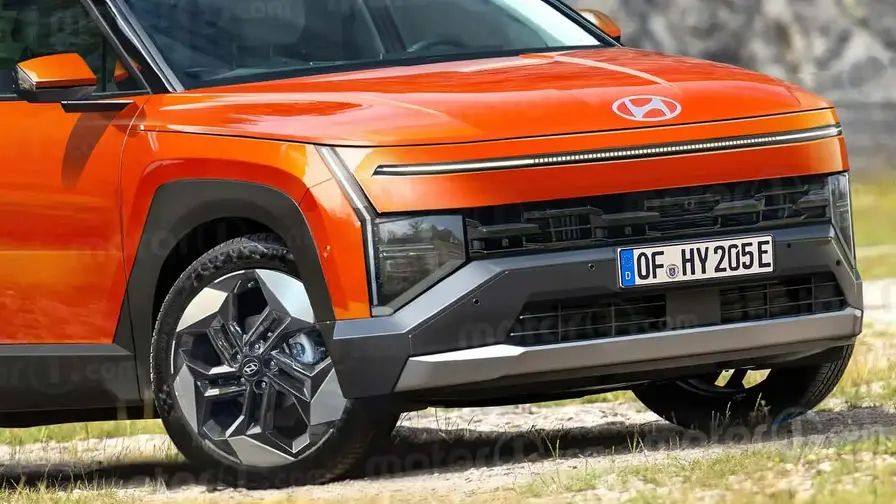
Hyundai says the fifth generation Tucson trades the previous model's curves for straight lines and sharper angles. The result is a boxy, tougher look inspired by the larger Santa Fe, with an upright grille bookended by H shaped LED light signatures at both front and rear. Despite the blockier stance, Hyundai notes aerodynamic improvements that lower the drag coefficient to 0.30 thanks to active air flaps and a slim rear spoiler.
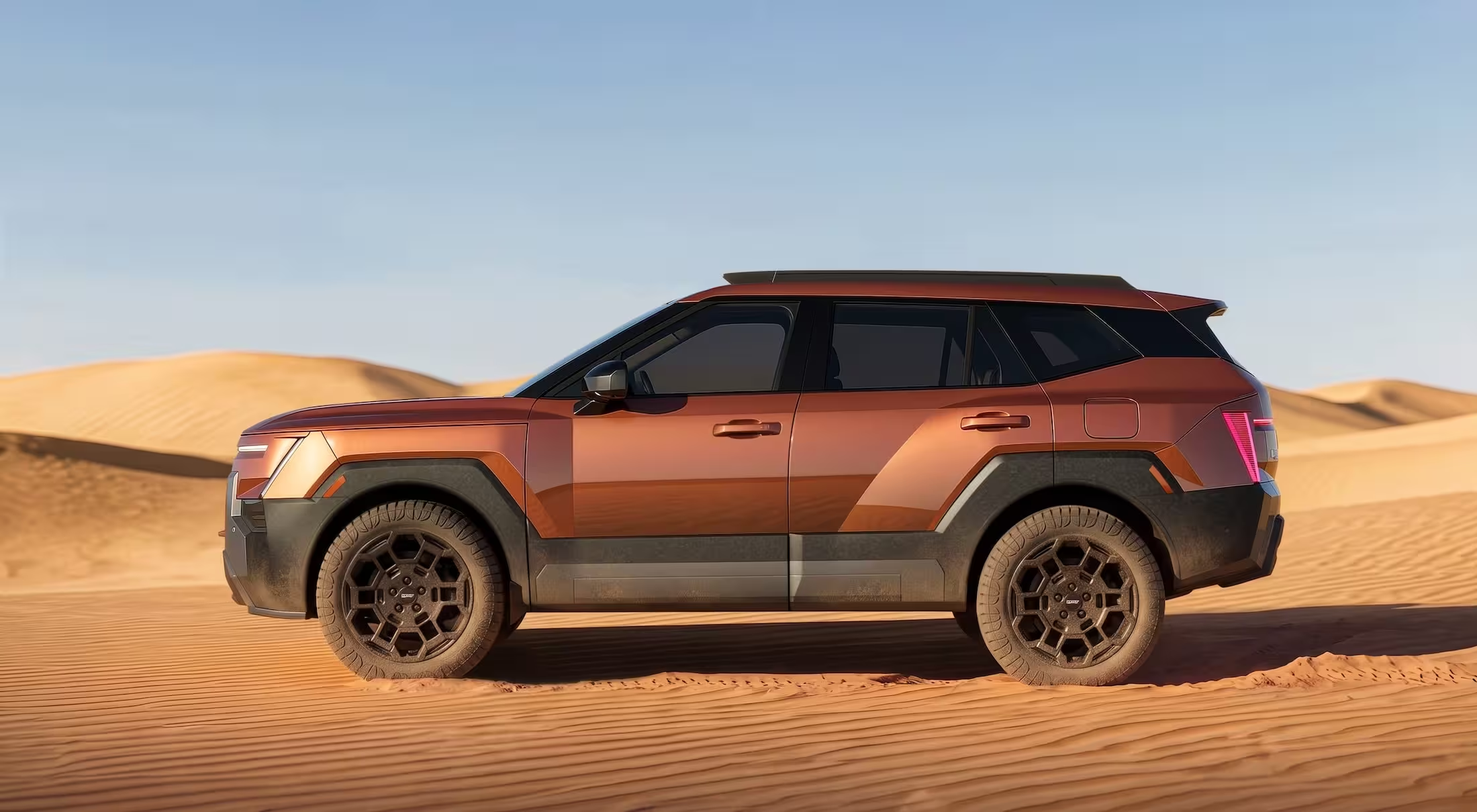
The new Tucson measures 185.0 inches (4,700 millimeters) in length, 2.3 inches longer than before, and 75.0 inches (1,905 millimeters) in width, up 1.57 inches. Wheelbase grows by 1.18 inches to 109.6 inches (2,785 millimeters), a change Hyundai says translates to more interior space. Rear doors now open to 83 degrees, up from 73 degrees on the outgoing model.
Exterior color choices lean toward nature inspired tones: Ranger Green available in Pearl or Matte, Kodiak Blue Pearl, Driftwood Gray Metallic and Red Rock Orange. Hyundai also introduced a new XRT variant with forged carbon black body cladding, exclusive wheels and decorative skid plates. The top XRT Pro adds standard all wheel drive, all terrain tires, an improved approach angle, a heavy duty front recovery hook and an extra 1.2 inches (30 millimeters) of ground clearance for a total of 8.3 inches (210 millimeters).
Interior, infotainment and packaging
The cabin is extensively revised around a floating central display available in 17 inch or 12.9 inch sizes and running Hyundai's new Gleo AI based Pleos Connect infotainment. Hyundai says the system can handle natural, simultaneous voice prompts. A slim digital instrument cluster sits behind a minimalist two spoke steering wheel, completing a highly digitalized layout.
Hyundai highlights the packaging gains from the larger exterior dimensions but has not yet published detailed cargo or passenger volume numbers for the new model.
Powertrains and mechanicals
Under the hood, Hyundai has dropped the previous naturally aspirated base unit in favor of the new 1.6 liter turbo four cylinder rated at 184 horsepower. The hybrid variant is quoted at 233 horsepower. Hyundai confirmed the plug in hybrid will not be offered in the United States.
Transmission options for the gasoline powered Tucson include a six speed manual, a seven speed dual clutch automatic and both six speed and eight speed automatic units, while the hybrid is available only with a six speed automatic.
Hyundai did not release fuel economy or performance figures at the Manhattan reveal.
The company said the new Tucson will go on sale first in South Korea and will roll out globally later this year as a 2027 model. Pricing details will be disclosed closer to local on sale dates; the current generation starts at $29,700 in the United States and Hyundai expects a price increase for the new model when it reaches dealers.
Hyundai also confirmed plans to build the Tucson in the United States at its Alabama plant following a $500 million investment in the facility.

Leave a Comment
Comments
No comments yet. Be the first.