
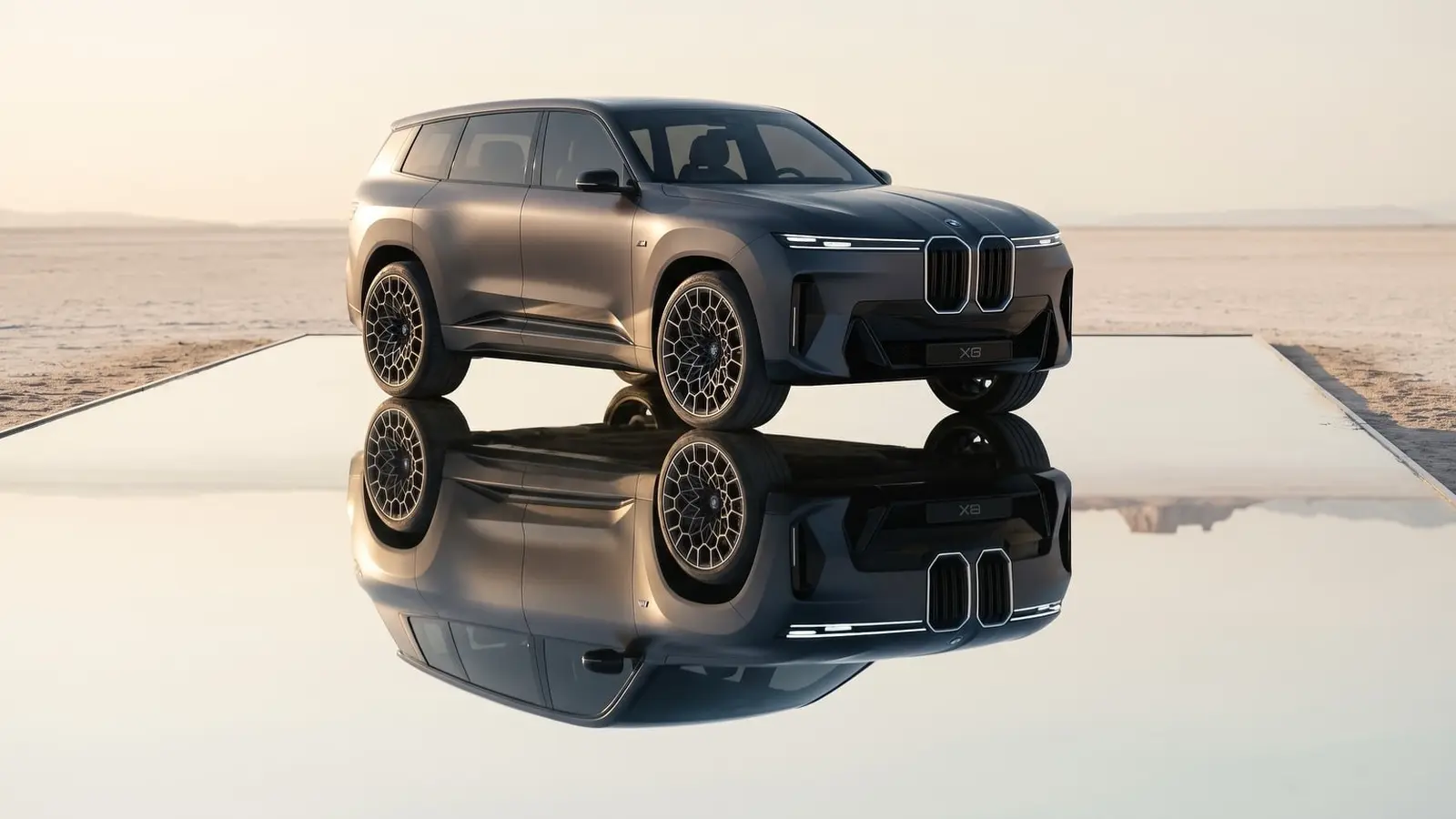
BMW has confirmed plans for a full‑size flagship SUV positioned above the X7, reportedly offered with six‑ and eight‑cylinder powertrains and pitched specifically at the US market.
The announcement arrives alongside a broader reallocation of development and production spending: the company said it will invest around €2 billion in German vehicle and battery production, concentrating on the redesigned 3 Series G50 and Neue Klasse battery‑electric models. Roughly €1 billion is earmarked for the Dingolfing and Munich plants, and another €1 billion for the Irlbach-Strasskirchen facility.
Investment, margins and model pruning
BMW aims to lift its automotive EBIT margin from 2.3 percent in the second quarter of 2026 to at least 3 percent in 2028, with longer‑range plans to return to an 8-10 percent range by the start of the next decade. The company has also set a goal of at least €7 billion in automotive free cash flow.
To meet those targets BMW is cutting less profitable models and variants and focusing development funds on vehicles that can deliver stronger long‑term contribution margins in each market. The 2 Series Active Tourer will not be replaced, the company said, reflecting the falloff in European demand for MPVs. BMW plans a new fully electric model for Europe’s high‑volume entry segment in 2028, a car that reports identify as a possible i1 hatch.
The redesigned 3 Series hails from the Dingolfing plant, whereas the i3 comes from Munich, a production pairing BMW says illustrates a more selective approach to which cars get development money and where they are built.
Flagship SUV and production constraints
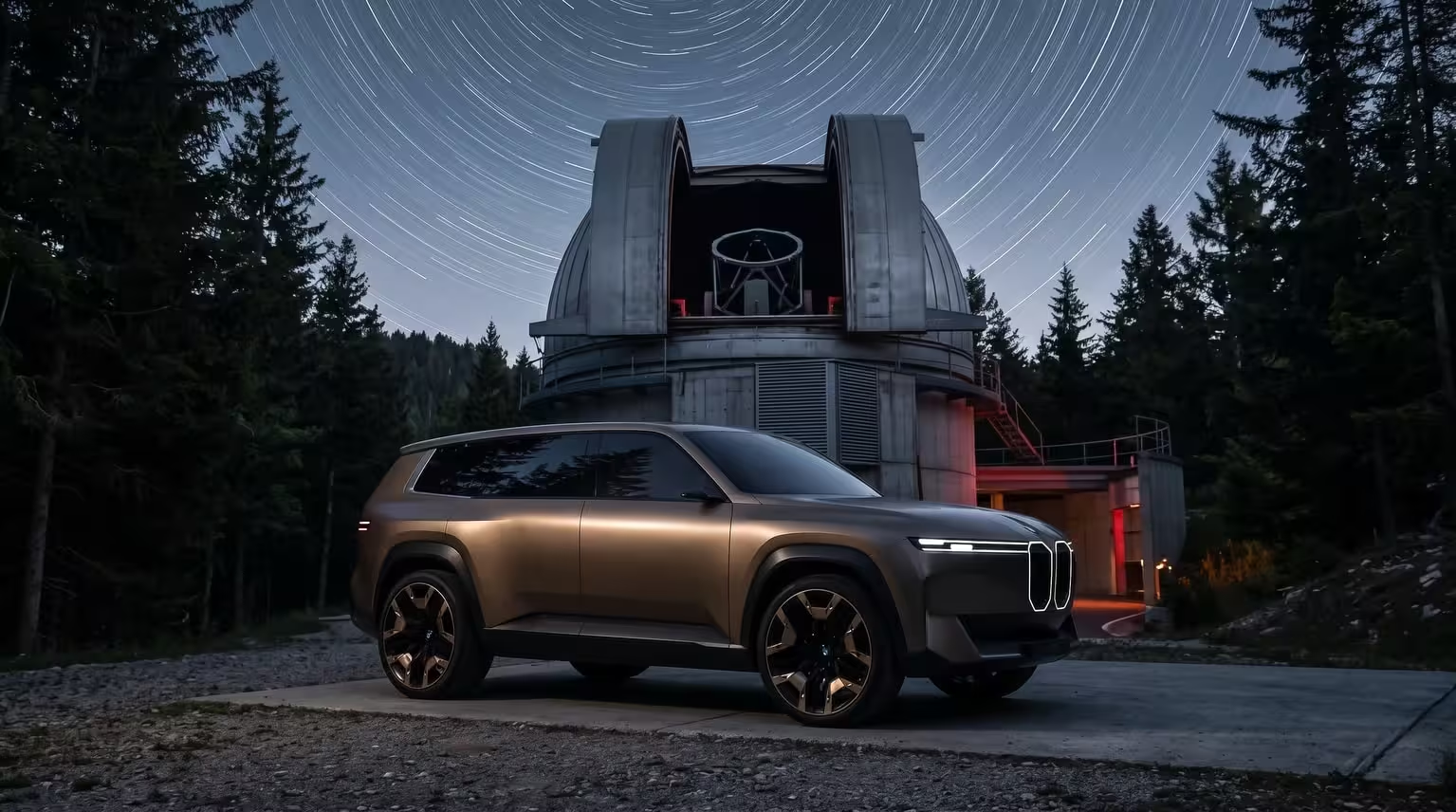
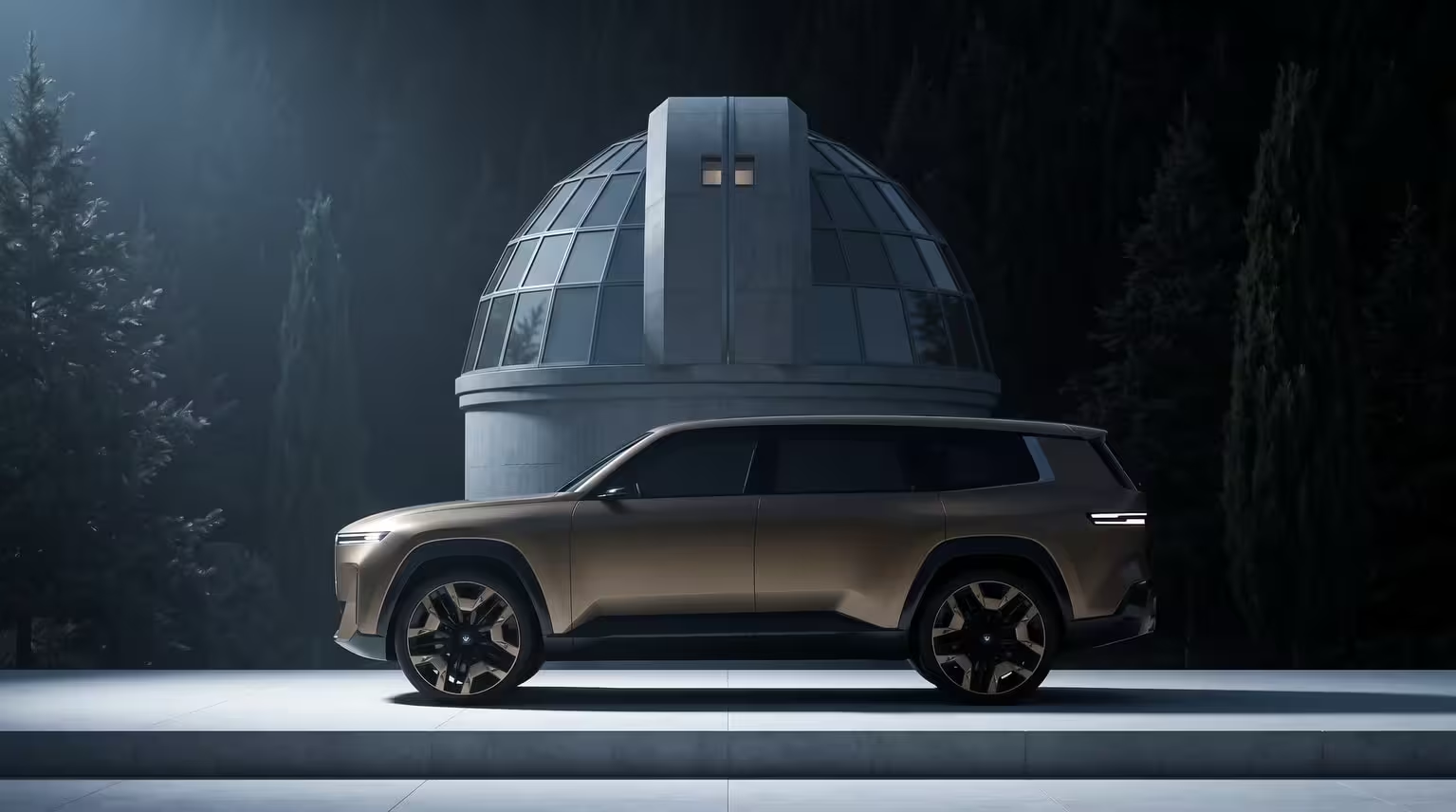
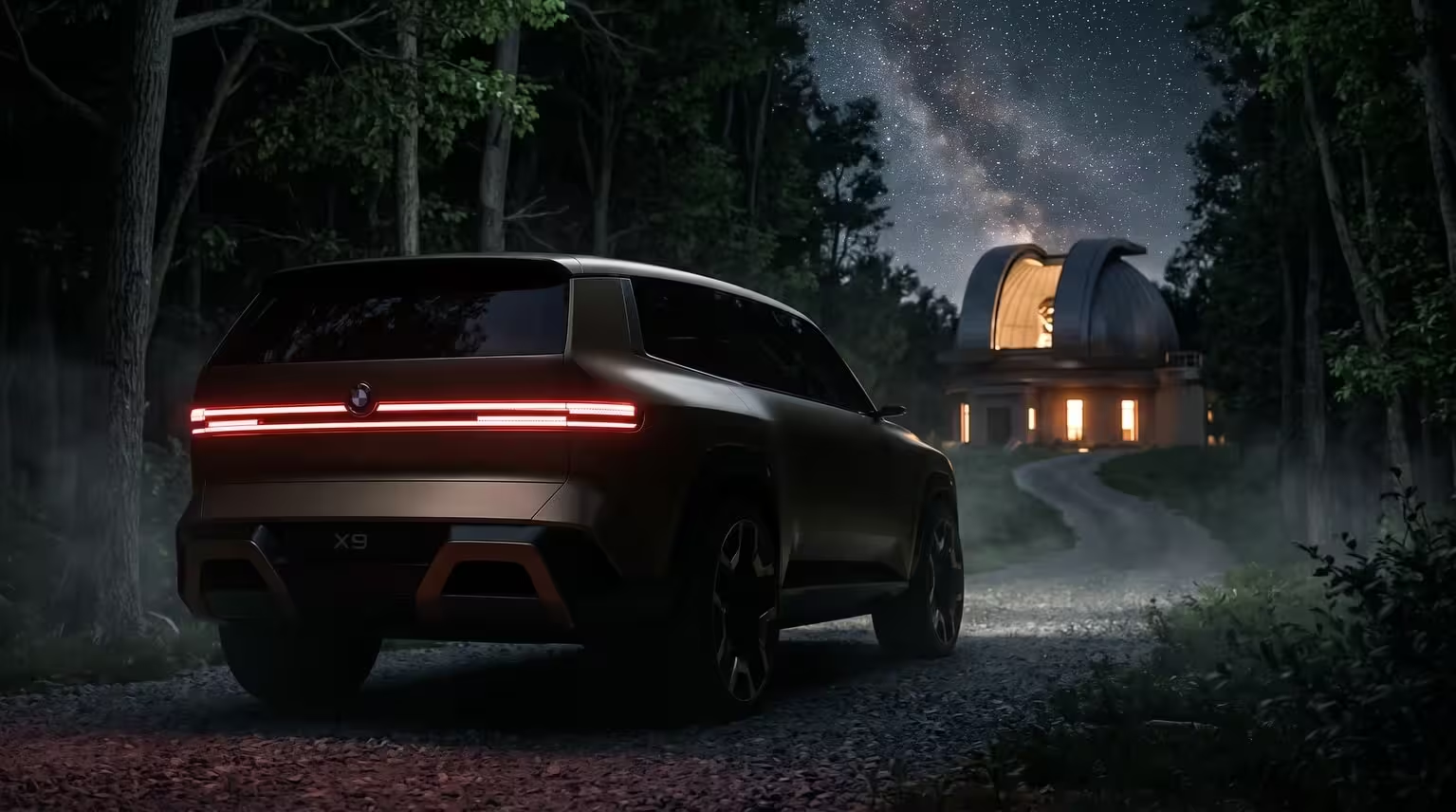
The top‑end SUV, variously referred to in reports as X8 or X9, is described as a fullsizer with both six‑ and eight‑cylinder engines; if based on the CLAR platform it could also support electric‑only derivatives. The report adds that going to Neue Klasse architecture for that full‑size model is unlikely after the rollback of US fuel economy standards.
That flagship faces a manufacturing constraint: BMW’s Spartanburg plant in South Carolina is already running at full capacity, making regionalisation of production a priority if BMW is to expand output of rear‑biased SUVs without relying on a single factory.
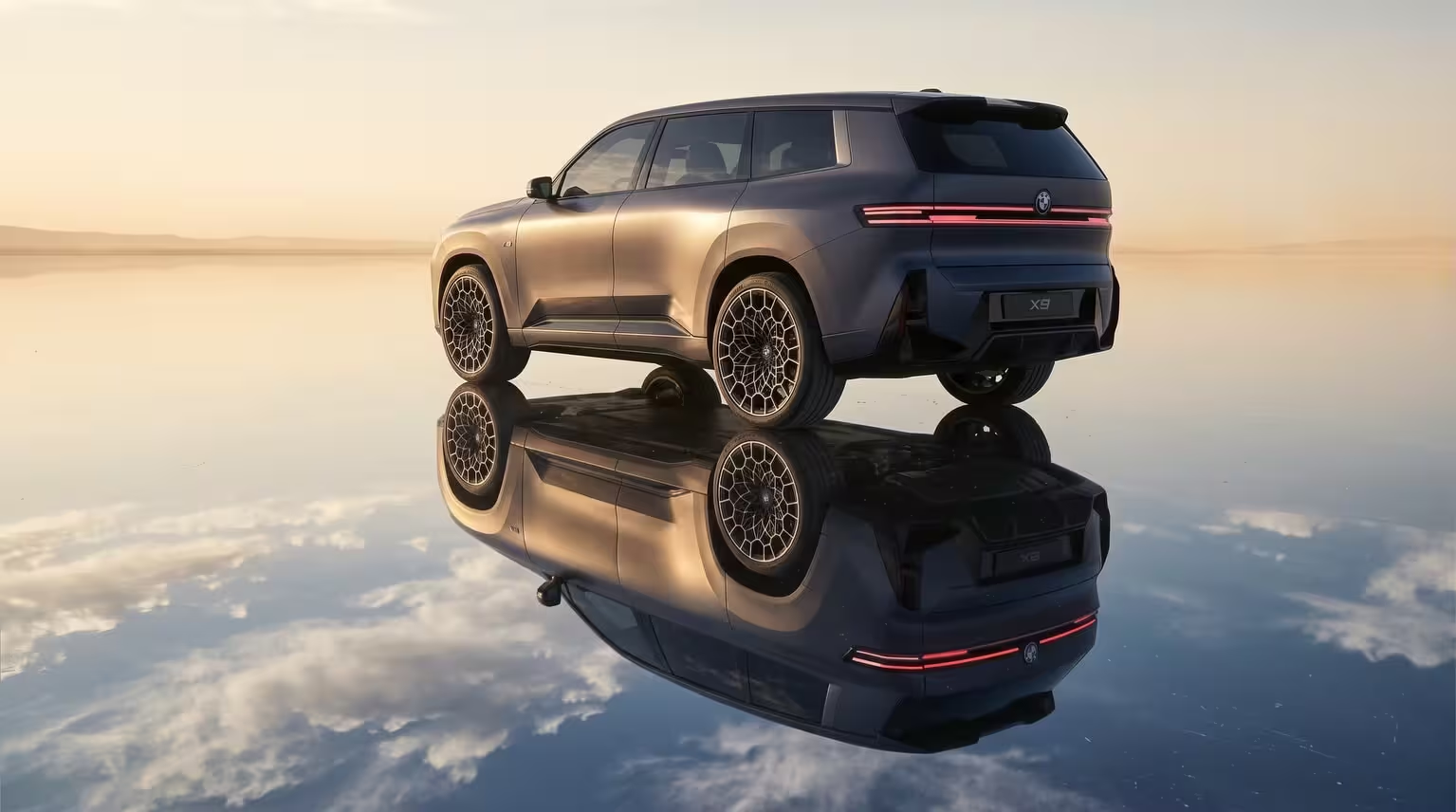
Separately, BMW will introduce its first‑ever Alpina model next year, closely related to the 7 Series and positioned between BMW flagships and Rolls‑Royce equivalents. Both the Alpina and the pricier X7 sibling are cited as examples of the company’s push into higher‑value products.
China will follow a different pattern: BMW intends to expand local production in high‑volume segments and limit imports to the highest‑margin vehicles, targeting at least 95 percent of BMWs sold in China to be locally manufactured and developed to Chinese preferences by 2030. The company is also considering exports of China‑built models to Southeast Asian markets and plans to use more regional technology partners for areas including (semi‑)autonomous driving and integrated software.


Leave a Comment
Comments
No comments yet. Be the first.