
4 Minutes
Ferrari names Massimiliano Di Silvestre as new marketing chief
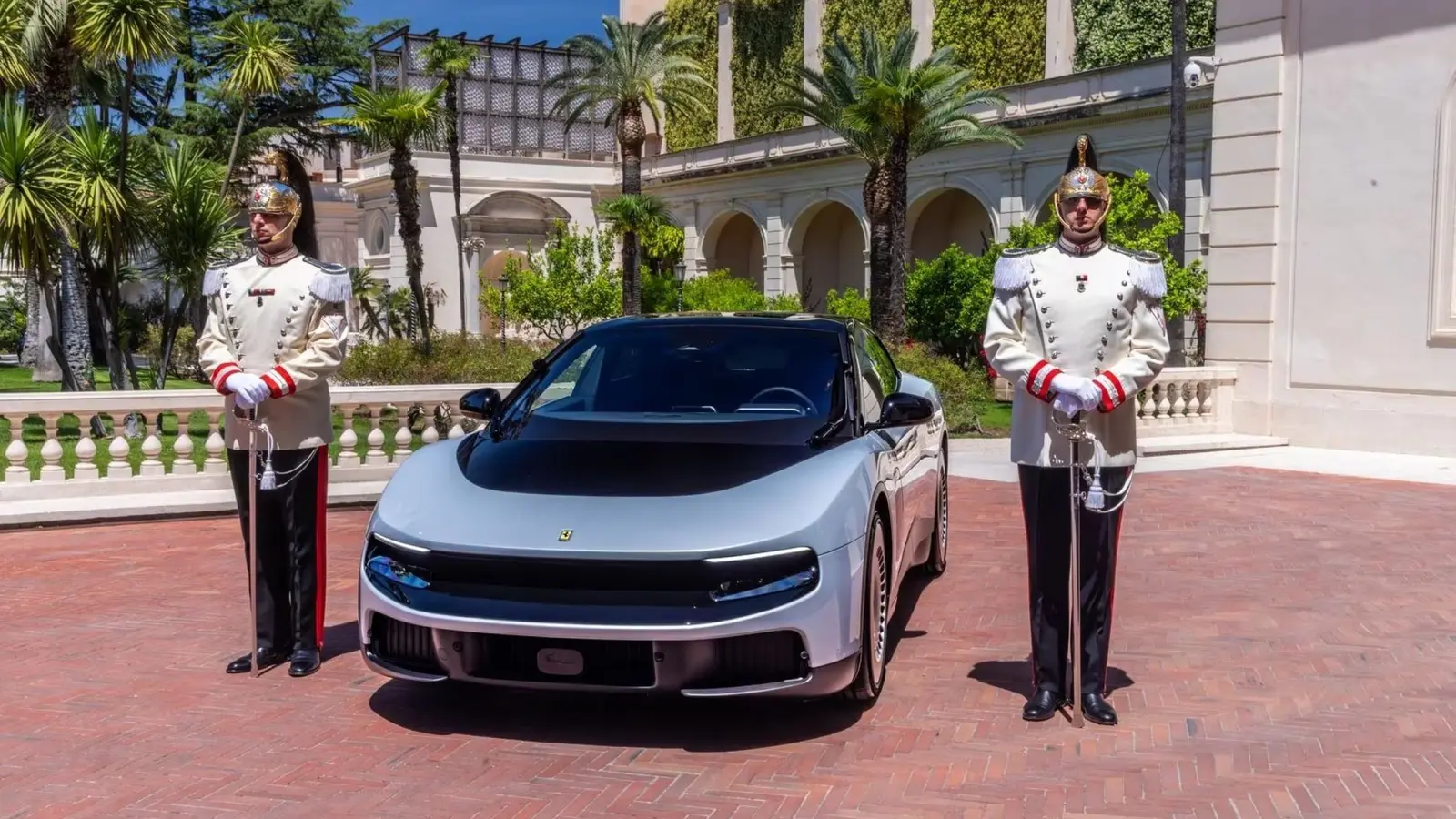
Ferrari has tapped Massimiliano Di Silvestre, the former head of BMW Italy, as its new Chief Marketing and Commercial Officer. The move replaces long-serving Enrico Galliera and comes in the wake of the polarizing debut of the Luce battery-electric vehicle. For many industry observers, the hire reads like a deliberate reset: Maranello needs a different marketing playbook to sell a heavy, five-seat EV that departs from the brand's sporting DNA.
Timing and context: why this matters
Galliera had signaled his intention to move on earlier in 2026, but he stayed to shepherd the Luce launch—an event that proved far more controversial than expected. The unveiling not only split opinion but also triggered a steep fall in Ferrari's market capitalization and a harsh media backlash. The debate shifted away from performance figures and engineering credentials to the car's unusual styling, leaving Ferrari scrambling to defend its narrative and reassure long-time clients.

Where the launch went wrong
The Luce's rollout shows the risks of mismanaged storytelling. Ferrari leaked the Jony Ive–designed interior and technical specifications well before the Rome reveal, which meant the event offered little new beside the exterior design. With the engineering already dissected by journalists and enthusiasts, conversations fixated on the aesthetic—arguably the most divisive aspect of the new model. Instead of being framed as a technical achievement, the Luce became a symbol of potential brand dilution for collectors who prize Ferrari’s traditional front-engined, V12 grand tourers.
That perception was compounded by rumor and speculation: some reports suggested VIP clients felt pressured to accept allocations, and Ferrari had to publicly refute those claims. In short, the launch highlighted a failure of narrative control and a disconnect between product positioning and the expectations of Ferrari’s core clientele.

Di Silvestre’s profile: what he brings
Di Silvestre is best known for leading BMW’s operations in Italy, including efforts around electrification and the rollout of electric models to premium buyers. His track record centers on business transformation, digital customer journeys, and building demand in new buyer segments—skills that Maranello clearly wants as it pivots toward a broader, electrified portfolio.
- Role: Chief Marketing and Commercial Officer at Ferrari
- Background: Former head of BMW Italy; led EV introduction and customer programs
- Expected focus: Recalibrating product messaging, buyer persona, and global go-to-market strategy
Market positioning: who is the Luce for?
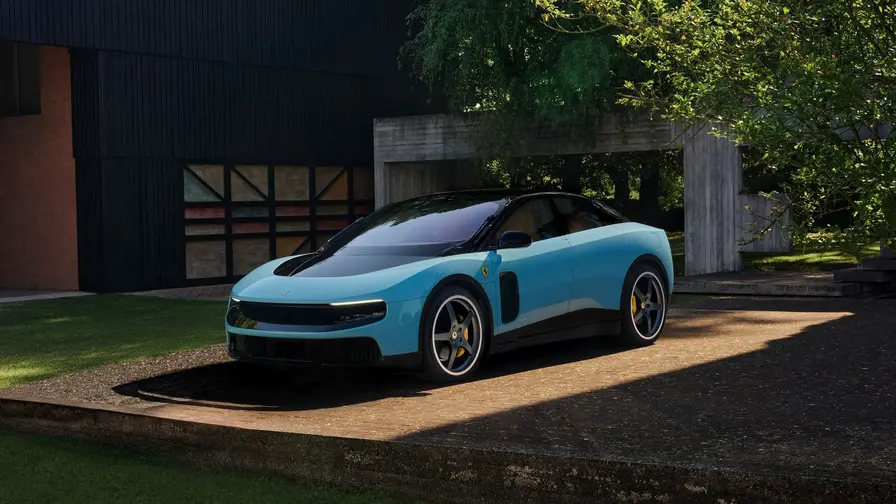
Ferrari has made it clear the Luce is not meant to replace a front-engined V12 GT; instead, it’s pitched as a daily-use, four- or five-car-garage companion. The target customer is affluent, tech-forward, and already comfortable driving premium electric performance cars—think buyers in California, wealthy enclaves in the Middle East, and upscale Chinese cities.
Key characteristics of the Luce driving the debate:
- Five-seat electric architecture and a focus on daily usability
- Heavy, silent EV packaging that contrasts with Ferrari’s traditional auditory and sensory heritage
- A high price tag that positions the Luce alongside luxury EV competitors rather than as a direct successor to classic Ferrari models

Can Ferrari win over the daily EV buyer?
Di Silvestre’s hire signals Ferrari’s intent to chase that daily-driver luxury EV buyer, but the challenge is steep. Winning this group requires more than a technically competent product; it needs persuasion: convincing buyers that a Ferrari electric car can deliver both usable everyday performance and an exclusive brand experience without diluting the marque’s mystique.
Several obstacles remain:
- Brand perception: Traditional Ferrari collectors may resist electrified, family-friendly models.
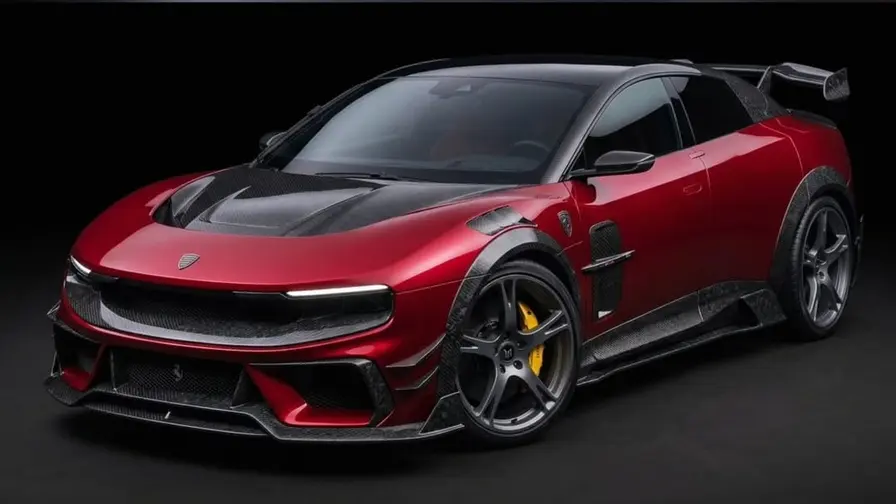
- Design acceptance: The Luce’s polarizing styling risks alienating both purists and prospective mainstream EV buyers who expect contemporary luxury cues.
- Market segmentation: Ferrari must maintain scarcity and exclusivity while expanding into higher-volume daily-use categories.
Outlook and implications
Bringing in an executive versed in EV commercialization and customer transformation suggests Ferrari plans a controlled repositioning: repair the narrative, rebalance the product roadmap, and refine who the brand is selling to next. Whether Di Silvestre can persuade affluent EV buyers to choose a Luce over other luxury electric alternatives remains an open question. Skepticism is understandable—converting diehard Ferrari clients and convincing everyday luxury EV owners of the brand’s relevance will require careful marketing, product adjustments, and perhaps a few more models that better bridge the old and new Ferrari identities.
"The hire signals a strategic pivot: Maranello wants to sell electrified exclusivity without losing its soul," industry insiders say.
For now, Ferrari has acknowledged the stakes. The next moves—how it repositions the Luce, how it sequences future EV launches, and how Di Silvestre reshapes communications—will determine whether this is a temporary PR recalibration or the start of a broader transformation for the Prancing Horse.

Leave a Comment
Comments (2)
Seen this play before in other brands, push new buyer segment, alienate core. If Ferrari gets storytelling right and limits allocations, maybe. kinda nervous tho
Really? swapping classic V12 vibes for a heavy 5-seat EV... Can Ferrari keep the mystique? Sounds risky, hope Di Silvestre nails it, but skeptical tbh