
3 Minutes
Prices moved. Fast. Apple has quietly lifted the sticker price across most of its product lineup, and the change landed like a cold shower for anyone planning a summer upgrade.
Not everything shifted. The iPhone remains at its usual price for now, and the AirPods range, Studio Display and Apple Pencil escaped the sweep. But across tablets, laptops and speakers the increases are hard to miss: the HomePod mini now lists at about $129, the full-size HomePod near $349, and the Apple TV box has jumped to roughly $199.
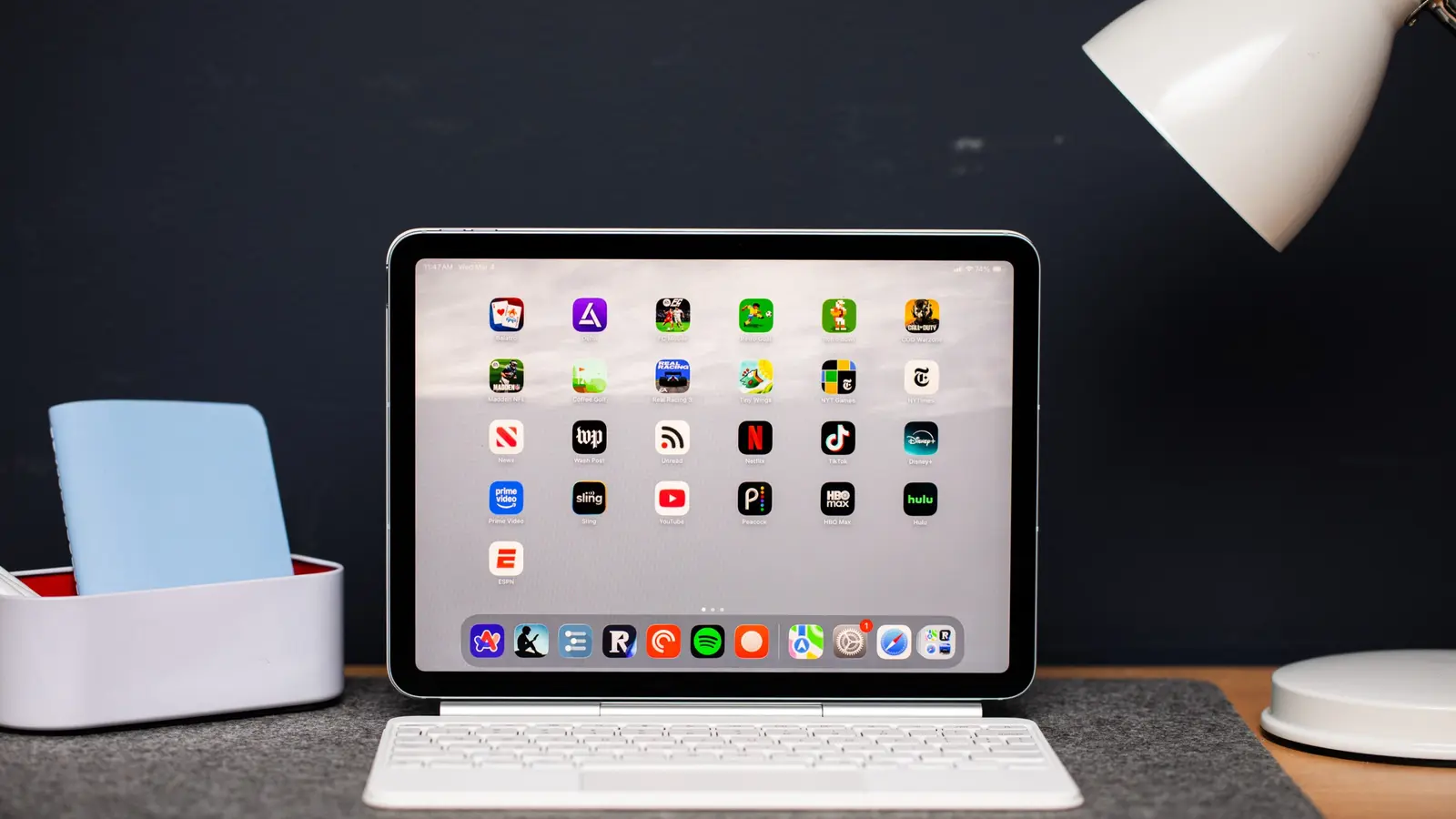
Tablets took a sizable hit. Entry-level iPads are north of $400 now, with the standard model climbing to about $449 and the iPad mini edging past $599. The iPad Air 11 inch now sits around $749. If you were eyeing Pro power, expect to pay closer to $1,199 for the 11-inch iPad Pro and about $1,499 for the larger Pro model.
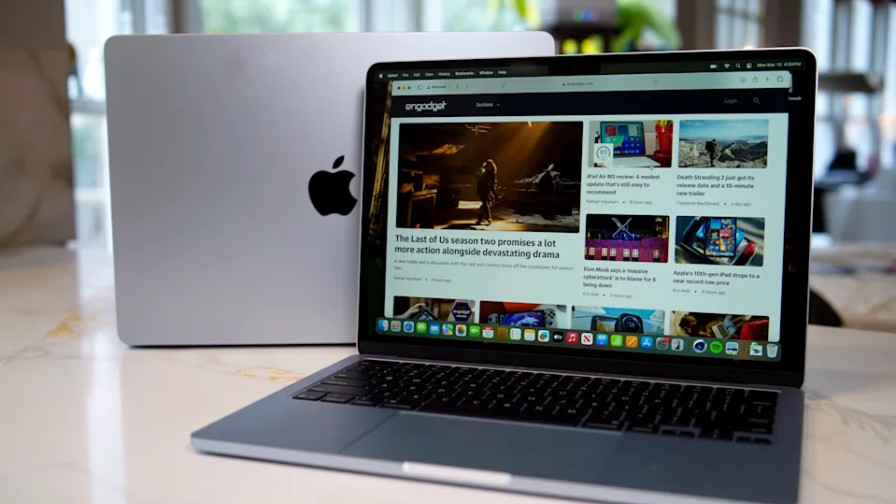
The Mac family felt the most pressure. The entry MacBook — the Neo model with 256GB — is now roughly $699. The 13-inch MacBook Air is around $1,299, while the 14-inch MacBook Pro has moved toward $1,999 and the 16-inch Pro toward $2,999. iMacs have risen into the mid four-figure band, too.

The Mac Studio M3 Ultra posted the most dramatic jump — roughly $1,300 more in the US than it cost a day earlier. Even the newer M4 Max configuration climbed several hundred dollars. These are not incremental tweaks; they change calculus for professionals budgeting for workstation upgrades.
Apple attributes the decision mainly to rising memory costs. That explanation makes sense on paper: memory and storage are visible line items when configuring higher-end machines. But historically Apple has absorbed component inflation by squeezing its supply chain and using purchasing scale to shield consumers. This broad, across-the-board price reset suggests cost pressures are bigger or more sustained than recent cycles.
Shoppers will feel the impact unevenly. Casual buyers might postpone or opt for older models. Businesses and creative pros face tougher choices: absorb the increase, delay upgrades, or seek alternatives. Resale markets might heat up as more users hold older devices longer, and trade-in values could become a bigger part of purchase math.
What does this mean for Apple strategy? Companies rarely raise prices across entire hardware catalogs without a long view. Margins matter, of course, but so does demand elasticity. Apple is betting that brand loyalty and ecosystem lock-in will blunt the worst of consumer pushback. That bet will be tested over the coming quarters.
And for the rumor mill: whispers about iPhone 18 Pro pricing are already circling. If memory and component costs remain elevated, even Apple’s flagship could see sticker shock when it arrives.
So, will buyers pay up, wait it out, or migrate to rival hardware? Time will tell, but one thing is clear: the cost of entry into Apple’s ecosystem just got steeper.









Leave a Comment
Comments
No comments yet. Be the first.