
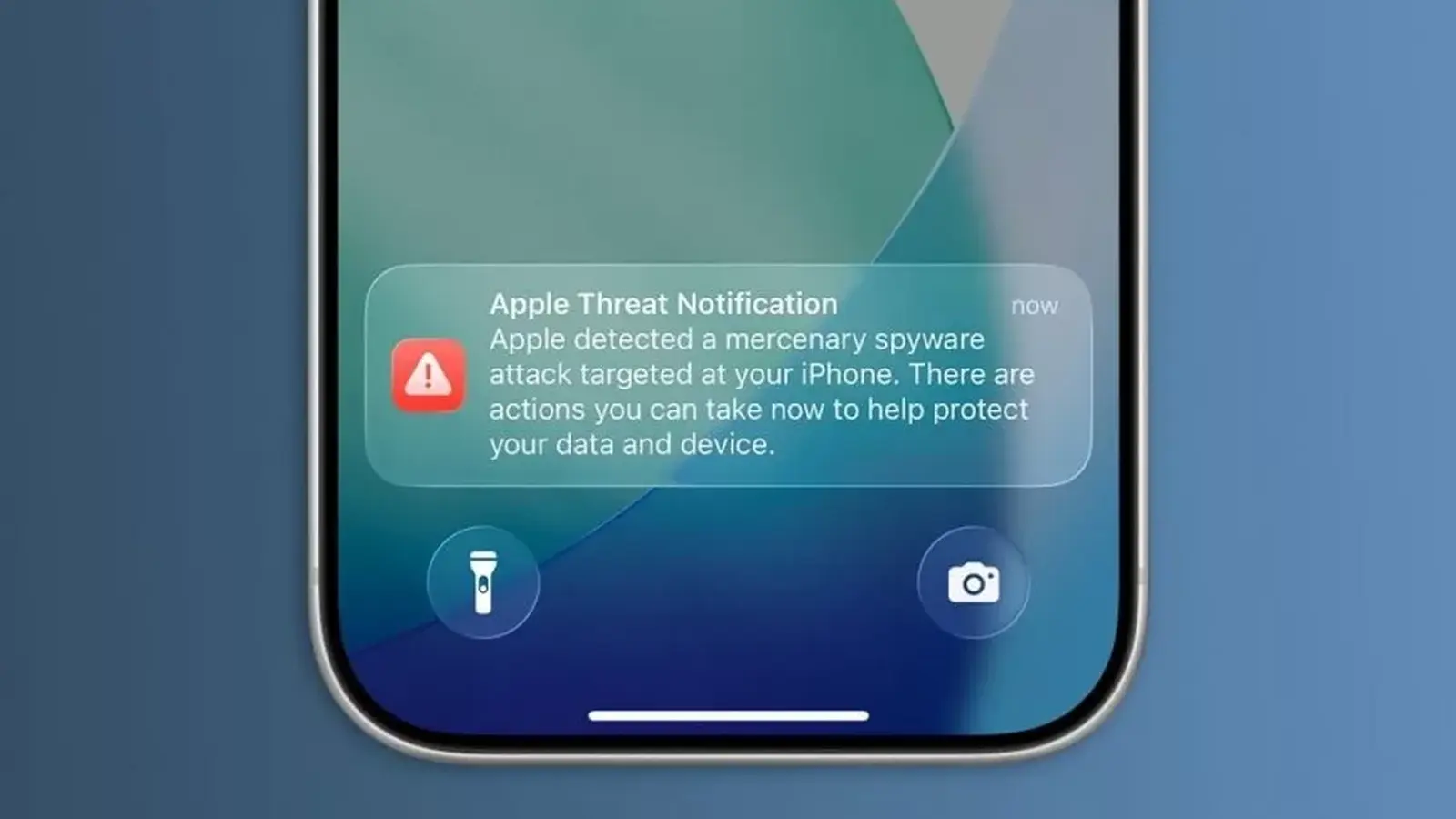
If you woke to a stark alert on your iPhone this week, Apple wasn’t sounding the alarm for show.
The company has pushed targeted security notifications to users in 110 countries, warning that some devices show signs consistent with highly tailored, government‑grade spyware — think tools in the same class as Pegasus. Alongside the warnings, Apple quietly revised the notification interface and published a new support page to walk affected users through next steps.
On updated devices the message arrives as a lock‑screen push: 'Apple has identified a targeted spyware attack that may have exploited your iPhone. There are steps you can take now to protect your data and device.' Apple also sends the same alert by email and during Apple ID sign‑ins to make sure the intended recipient sees it.
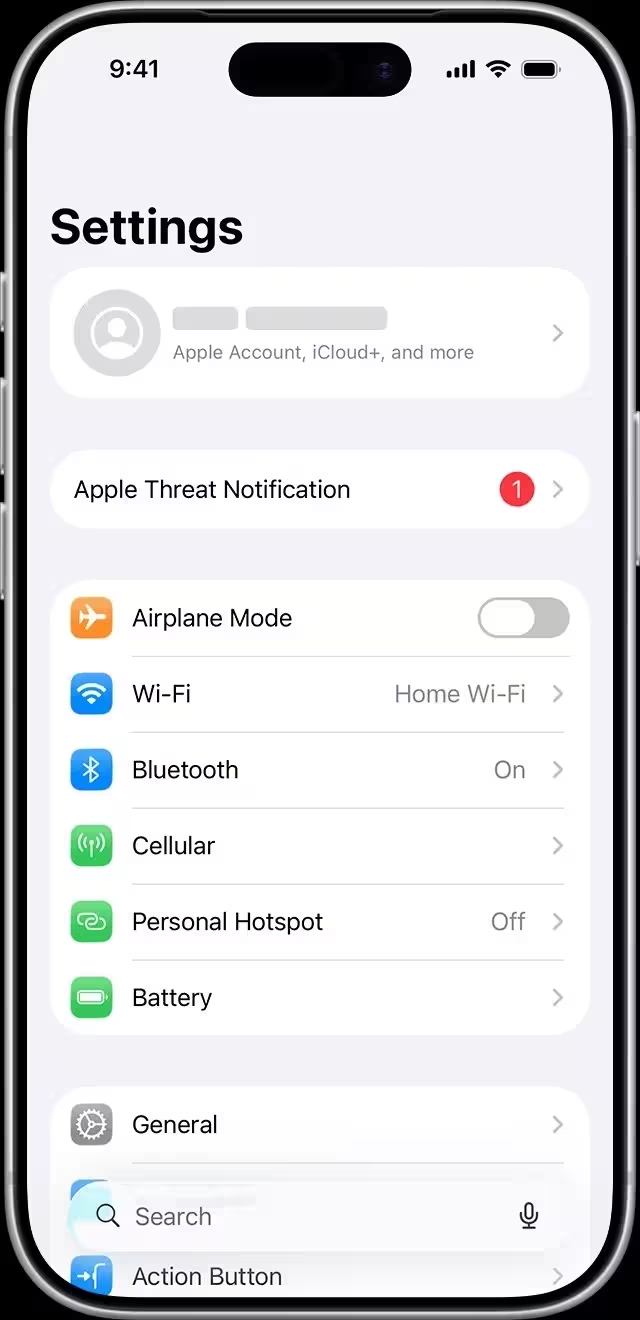
What Apple makes plain is this: these are not ordinary malware campaigns. These spy tools are expensive, complex and typically sold by private firms — companies like NSO Group have become shorthand for the industry — to government and security services. Their buyers don’t cast wide nets. They aim at journalists, human‑rights defenders, politicians, diplomats and other high‑value targets.
Detection is difficult. Very difficult. Apple cautions that security research rarely reaches '100 percent certainty.' Still, the company says its warnings are based on careful analysis and high confidence. To avoid giving attackers a roadmap for evasion, Apple is not disclosing the exact detection methods.

Getting the notification doesn’t automatically mean your phone has been fully compromised. It does mean Apple’s systems have spotted activity that matches the behavioral patterns of targeted surveillance. That alone calls for quick action.
Apple’s recommended first line of defense is Lockdown Mode — an extreme, deliberate reduction of attack surface that disables many features attackers exploit. It blocks certain iMessage attachments, unknown FaceTime requests, incoming invitations to Apple services, shared photo albums and other pathways. Apple notes it has not observed successful spyware breakthroughs on devices while Lockdown Mode was enabled.
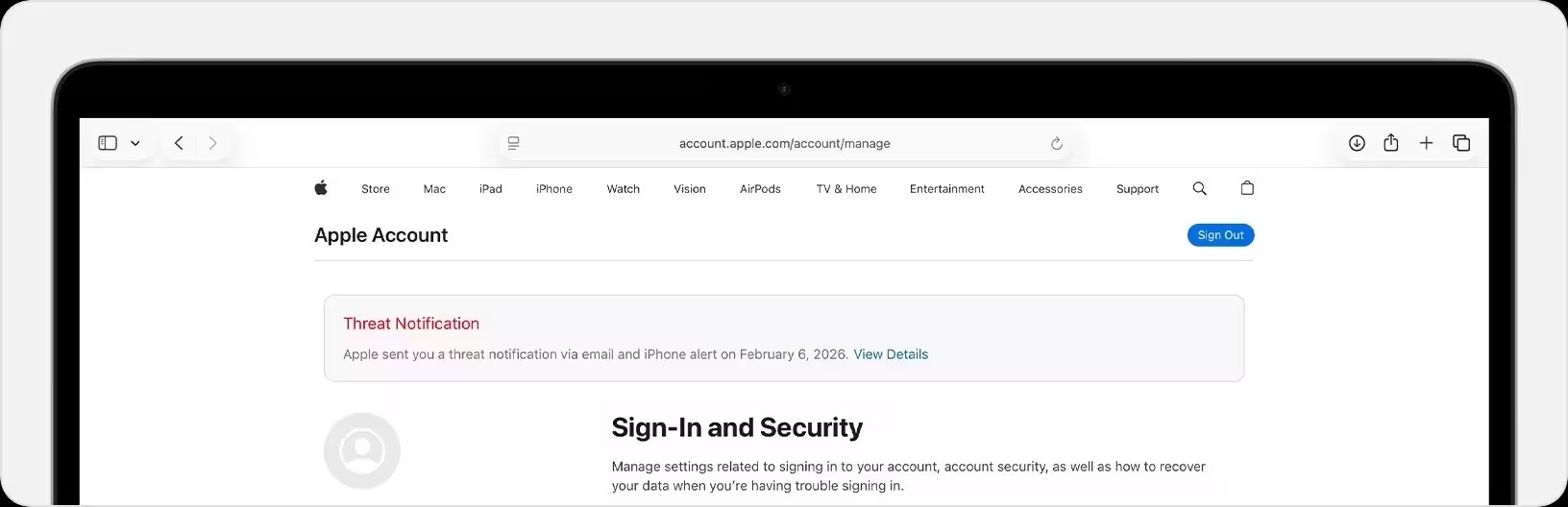
There’s also help beyond Apple. The company points affected users to independent digital‑security assistance such as the Access Now helpline, which provides emergency support to people under targeted attacks.
This episode is a reminder that surveillance technology has outpaced casual defenses. If a simple notification can mean you were the focus of a nation‑grade intrusion attempt, the prudent move is immediate: update, enable Lockdown Mode, and seek expert help if you might be at risk.


Leave a Comment
Comments
No comments yet. Be the first.