
Hyundai i20 concept turns into a pint-sized pickup in fresh renderings
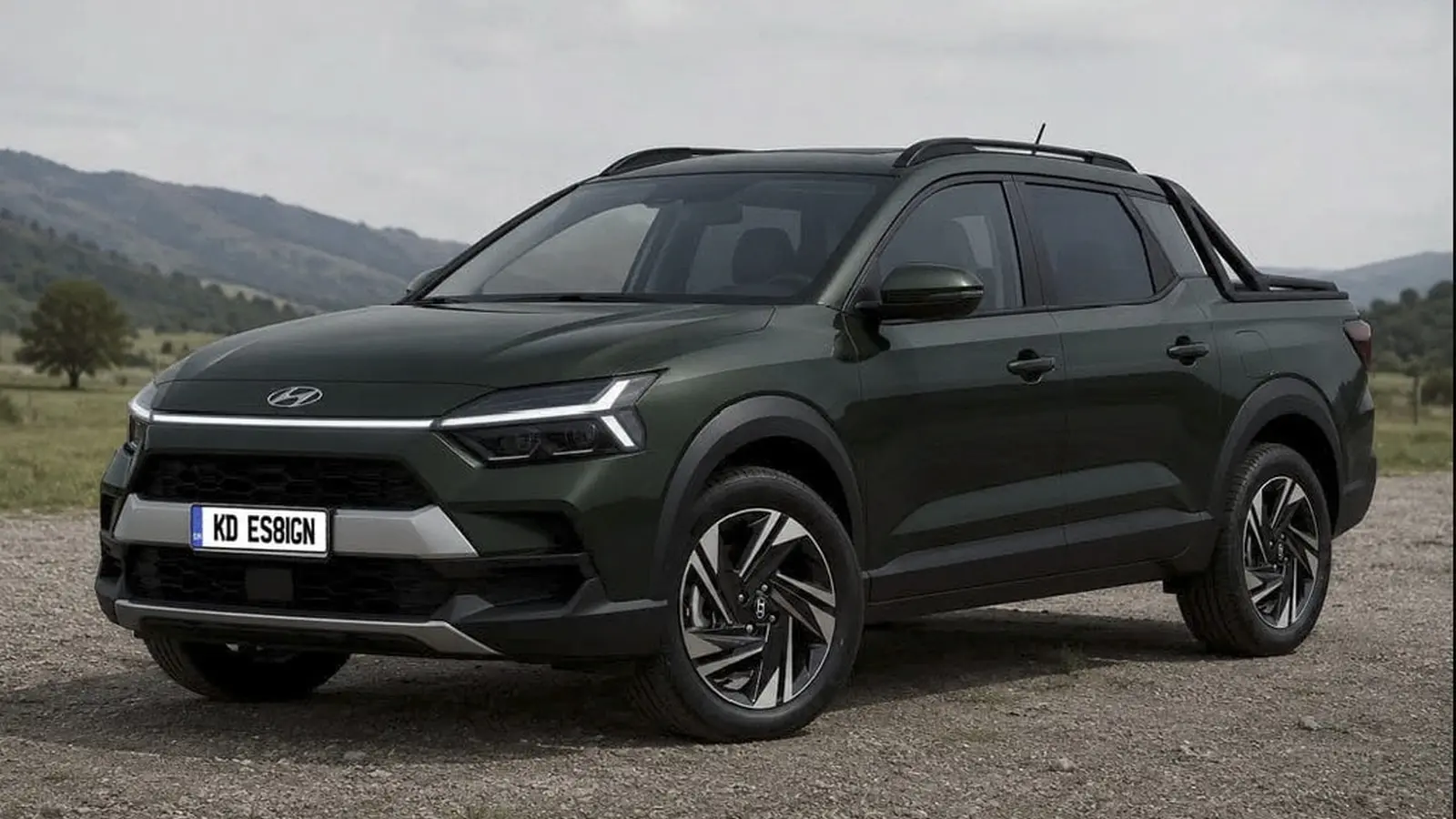
Hyundai's small-car story is getting complicated. While the i20 sold in Western Europe is being phased out — even the sporty i20 N is receiving a farewell Shadow Edition in Australia — the brand recently launched an all-new i20 in Brazil that has morphed from supermini to a baby crossover. Now, a Behance rendering imagines a different twist: a next-gen i20 converted into a compact pickup tailored to Western tastes.
.avif)
What the rendering shows
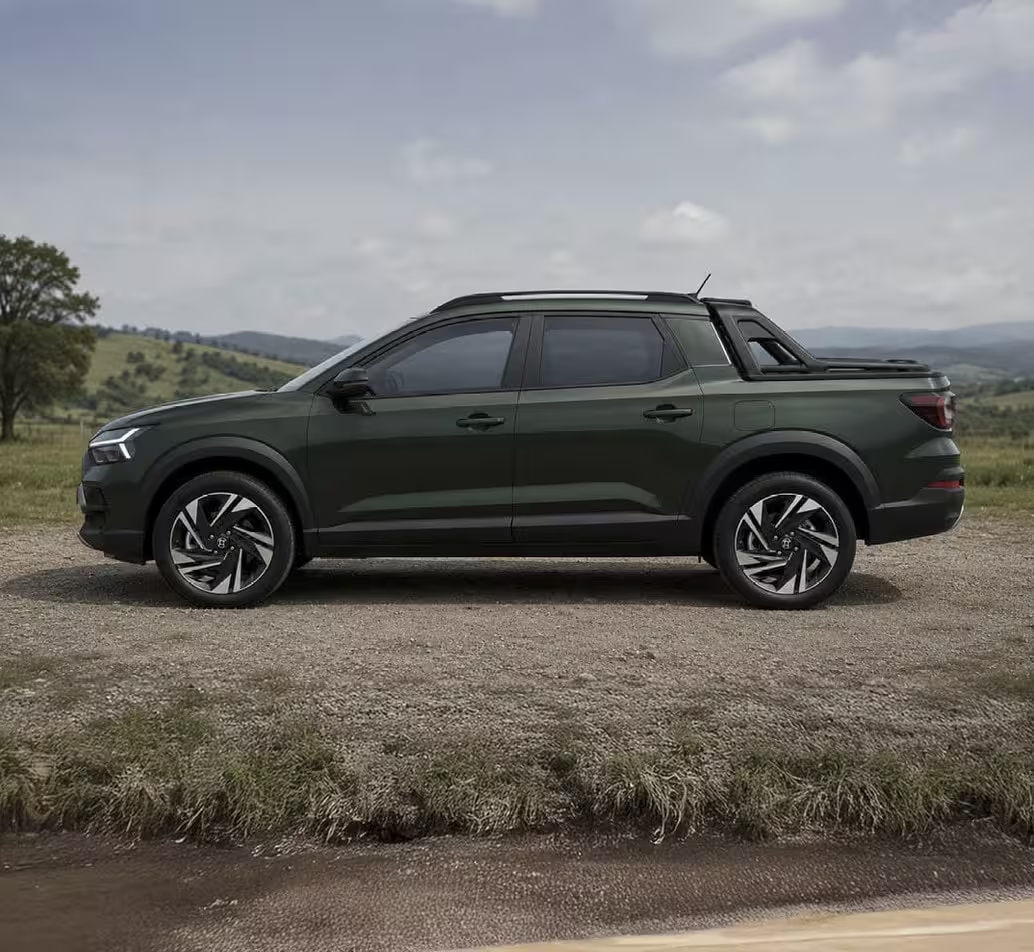
Created by digital artist Kleber Silva, the concept blends crossover cues with utility-focused styling. Key visual highlights include:
- A redesigned front fascia with large headlamps and a Y-shaped DRL signature.
- A slim light bar bridging the headlights and the Hyundai badge above.
- Rugged black plastic cladding and utilitarian bumpers with skid-plate-like details.
- Discreet roof rails, a rear tailgate that opens into a small bed, and new taillight graphics.
- A rear bumper recess for the license plate and pronounced reflectors for visibility.
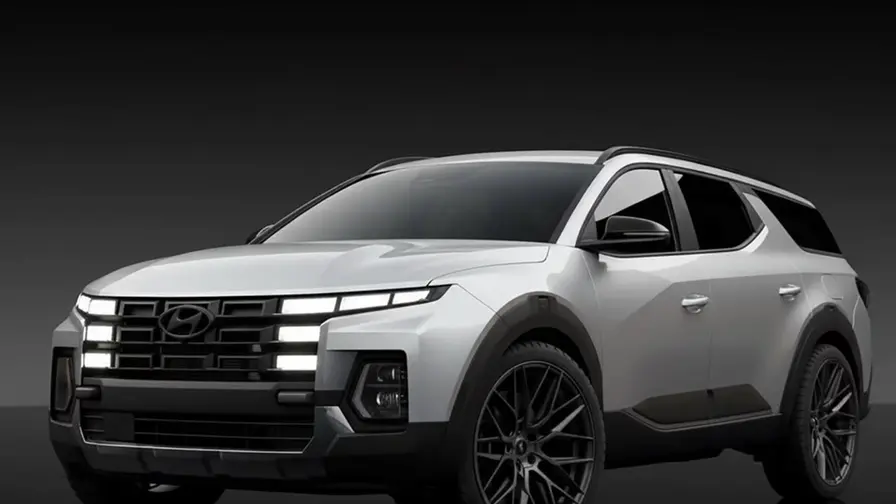
Although compact, the imagined i20 Pickup visually distances itself from the larger Hyundai Santa Cruz; this concept remains firmly subcompact in footprint and intent.

Interior and platform notes
The rendering borrows heavily from the new Brazilian i20 crossover's cabin, right down to the dashboard layout and infotainment architecture. Differences are subtle: a unique steering wheel, revised upholstery and trim choices give the pickup idea a tougher, work-ready feel while retaining a modern, tech-forward interior.
Quote: "This is not about replacing the Santa Cruz — it's an experiment in bringing light-duty utility to the subcompact segment," the artist appears to suggest through the design cues.
Is an i20 Pickup realistic for Western markets?
Market-wise, Hyundai already covers the compact pickup niche with the Santa Cruz in markets like the U.S. and South Korea. Still, smaller trucks can appeal in dense urban markets where a full-size or mid-size pickup is impractical. A subcompact i20 Pickup could target buyers seeking cargo flexibility, urban maneuverability, and better fuel economy than larger crossovers and trucks.
Potential selling points if Hyundai were to test such a model in the West:
- Low-cost utility: lower sticker price and running costs versus full-size pickups.
- City-friendly dimensions: easier parking and maneuvering in urban centers.
- Versatile lifestyle appeal: tailgate and small bed for weekend gear or light trades.
However, there are challenges: crash regulations, payload expectations, and consumer perception of value in traditional pickup markets.
Powertrain and the i20 N rumor
Separately, the rumor mill suggests the next-gen i20 N — the high-performance variant — will return with a 1.6L turbocharged four-cylinder and some form of partial electrification rather than going fully electric. That hints at a continuity of internal combustion powertrains, potentially augmented by mild-hybrid systems to improve efficiency and meet stricter emissions targets.
If a pickup variant were offered, expect Hyundai to prioritize efficient petrol engines and possibly light electrification for urban emissions compliance rather than a full EV layout.

Design context and final thoughts
Kleber Silva's renderings demonstrate how flexible the i20’s new design language can be — from baby crossover to imagined workhorse. While an i20 Pickup would not replace larger offerings like the Santa Cruz, it could carve a niche in Europe and other regions where compact size and utility are prized.
Would Hyundai actually bring a small pickup to Western showrooms? It’s uncertain, but these speculative visuals help illustrate the brand’s design direction and how the i20 nameplate might evolve. For fans of subcompact hatchbacks, the promise of an i20 N returning with a turbocharged engine is equally intriguing.
Share your thoughts: would you buy a subcompact i20 Pickup for city use and light hauling, or would you stick with a crossover or full-size truck? Let us know in the comments.

Leave a Comment
Comments (2)
Wow mini pickup... kinda clever. Love the rugged look, but will the bed actually fit anything useful? city runaround vibes, not for trades
A tiny pickup sounds cool but, is it realistic? Crash regs, payloads, buyers expectations — seems tricky. Nice render tho