
3 Minutes
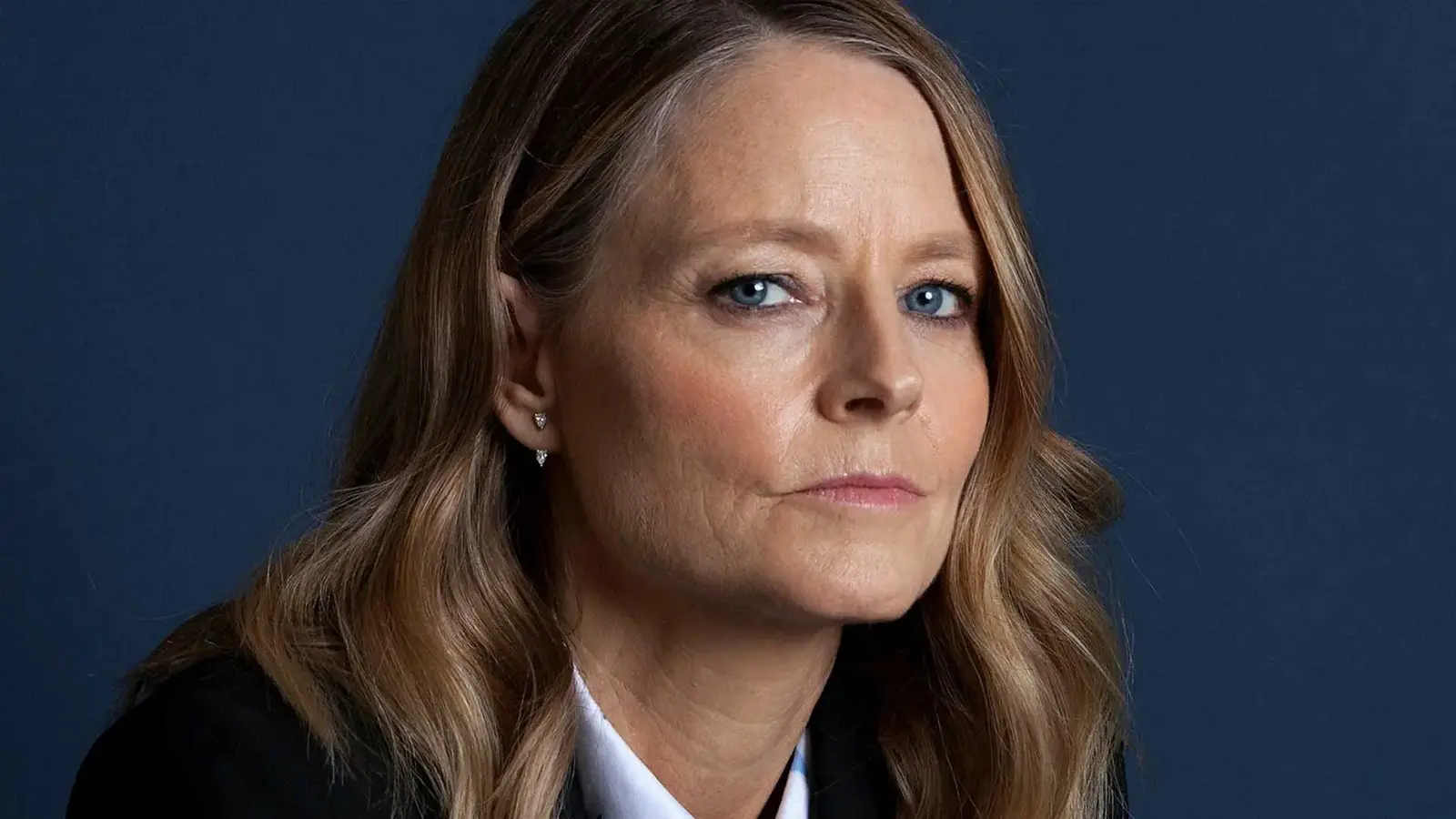
Jodie Foster posed a small, unsettling thought the moment she stepped onstage at Aspen: can we really keep artificial intelligence on a short leash? The line landed like a pebble in a pond. Ripples followed.
She was in conversation with former Sony chief Michael Lynton, tackling everything from the pandemic's aftershocks to strike-driven shifts and changing audience habits. But it was AI that held the room's attention — not as a futuristic abstraction, but as a present force bending how movies get made.
'If we always control AI, yes,' Foster said, 'we can build things that reflect us and maybe improve them. But can we control this technology for more than a few years?' Short. Sharp. Human worry framed like a director's note.
When Lynton pushed on whether AI could replace writers or actors, Foster didn't hedge. She pointed to today's face-swapping apps and digital tools on phones, then to the more sophisticated work happening on set. 'We're already doing this for performers,' she observed. 'The deepfake tech you see in someone's hand gets amplified on a film stage with professionals and heavy equipment.'

And then she dropped the example that made people sit up: Joseph Kosinski's F1. Foster clarified she wasn't accusing the production of being literally generated by a machine. Rather, she described the film's cadence and construction as eerily familiar — the kind of tidy, film-school architecture that can feel preprogrammed. 'I'm not trying to diminish it — it made millions — but sometimes I watch a picture and think, this could have been stitched together by an algorithm,' she said. 'Actors deliver lines like they're following a precise code. The technology is mastered well enough to build something huge and beautiful, pulling bits of information from elsewhere.'
It's a provocative way to put it. Kosinski's F1 was both a box-office juggernaut and an awards contender, landing four Oscar nominations and taking home Best Sound. Production notes and behind-the-scenes reports emphasize the filmmakers' preference for practical effects, reserving digital tools for limited moments. Yet Foster's comment taps into a wider anxiety: as editing, VFX and even performance capture get faster and more automated, can a film still carry that messy, unpredictable human stamp?
Filmmaking has always been a blend of craft and craftiness, of art and technique. The question now is whether the balance shifts so far toward the technical that pictures begin to read like well-executed patterns rather than lived experiences. Will audiences notice? Will creators fight back with more tactile, hands-on methods? or will the industry embrace a new grammar that reads as flawless but feels oddly familiar?
Either way, Foster's observation serves as a reminder that technological mastery doesn't erase the debate about authorship — it only sharpens it.




Leave a Comment
Comments
No comments yet. Be the first.