
3 Minutes
Not everything in Intel’s catalog got pricier — but the parts that did matter. On July 6, Intel quietly confirmed it had applied selective price increases to a slice of its consumer and server CPU lineup, a move aimed squarely at protecting margins as component and supply-chain costs climb.
The changes are surgical, not sweeping. On the server side, certain Xeon SKUs are being nudged up between roughly 7% and 12%, while some premium enterprise parts now carry price tags hundreds or even thousands of dollars higher than before. Entry-level server chips largely escaped unscathed.
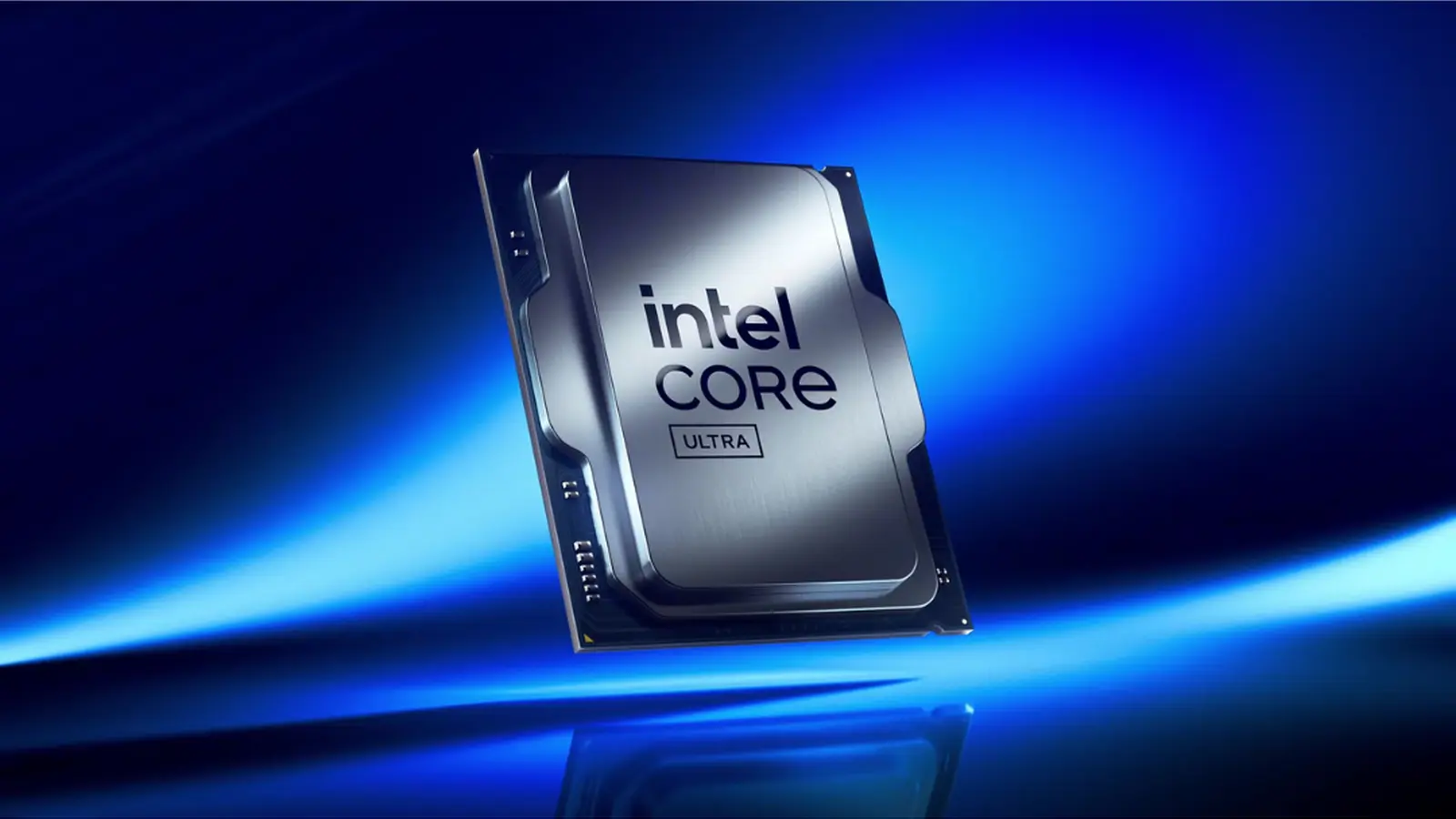
Desktop users will feel only a light tap. A few Arrow Lake-based Core Ultra 200-series “Plus” chips — notably the Core Ultra 7 270K Plus and Core Ultra 5 250K Plus — have been bumped by roughly $30–$50. Those models had been positioned as good-value, DDR4-friendly options; mounting component costs and tight supplies appear to have undone some of that value proposition.
The increases are targeted—mostly premium Xeon SKUs and a handful of Core Ultra "Plus" models.

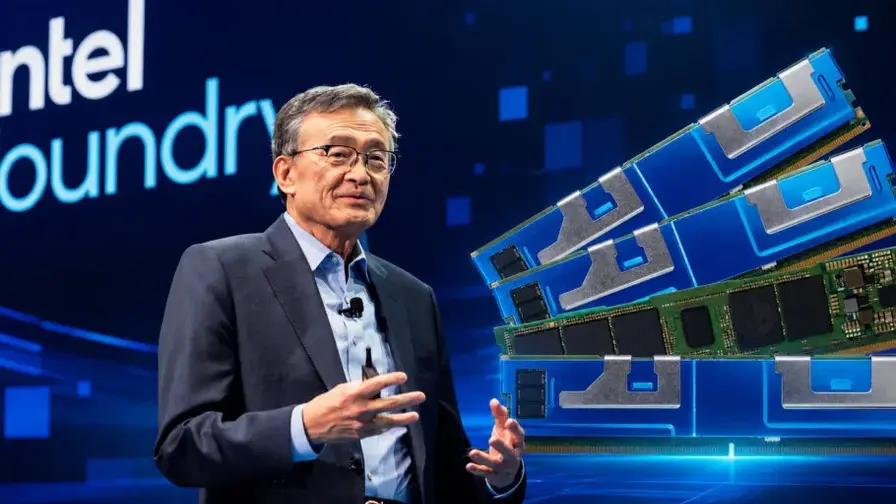
Why now? Memory costs are the headline. DRAM and NAND Flash prices have been drifting upward, exerting pressure on system builders and silicon vendors alike. That squeeze has revived interest in older DDR4 platforms because they’re cheaper and supported by a healthier parts ecosystem. Intel, for its part, is leaning into that demand: the company has reportedly stepped up production of 10th through 14th-gen Core processors to meet a sudden appetite for affordable, DDR4-compatible machines.
There’s a balancing act under way. Intel needs to shore up profitability without handing ground to rivals such as AMD. A conservative, targeted price move lets Intel protect margins where volumes and ASPs make the biggest difference — data center buyers and enthusiasts — while keeping the bulk of the consumer stack stable. It’s a pragmatic approach, born more of necessity than strategy.
Of course, raw materials and logistics are not the only drivers. Manufacturing throughput, wafer costs, and distribution bottlenecks all ripple into final street prices. The result is that end users and OEMs may see different impacts depending on timing, region, and supply agreements. A reseller might raise desktop build prices slightly, while a hyperscaler could absorb a server SKU increase into longer-term contracts.
Intel has been refreshingly direct about the changes. Public clarity helps system integrators and enterprise procurement teams plan ahead instead of chasing surprises. Still, an uptick in certain CPU prices will be felt hardest where volumes and margins intersect — in data centers and among PC enthusiasts who chase top-tier silicon.
Expect this to be an evolving story. As memory markets settle and supply chains reconfigure, more adjustments may follow. For now, buyers weighing upgrades or new builds should double-check compatibility and price trajectories before pulling the trigger.













Leave a Comment
Comments
No comments yet. Be the first.