
Something shifted in the supply chain this summer: chipmakers who once queued at TSMC's door are now dialing Samsung's number. The result is a price move that wasn't trumpeted with a press release but felt across design houses — foundry rates have crept up as much as 15 percent, according to people familiar with the deals.
In July, Samsung began billing U.S. and Chinese customers roughly 10–15% more for its SF4 4nm node than it did the month before. Taiwanese clients have seen milder increases, closer to 5–10%. The uptick isn't limited to the newest process either; SF5 (5nm) has similarly risen by about 10–15%, and even the older 8nm line is fetching nearly 10% more.
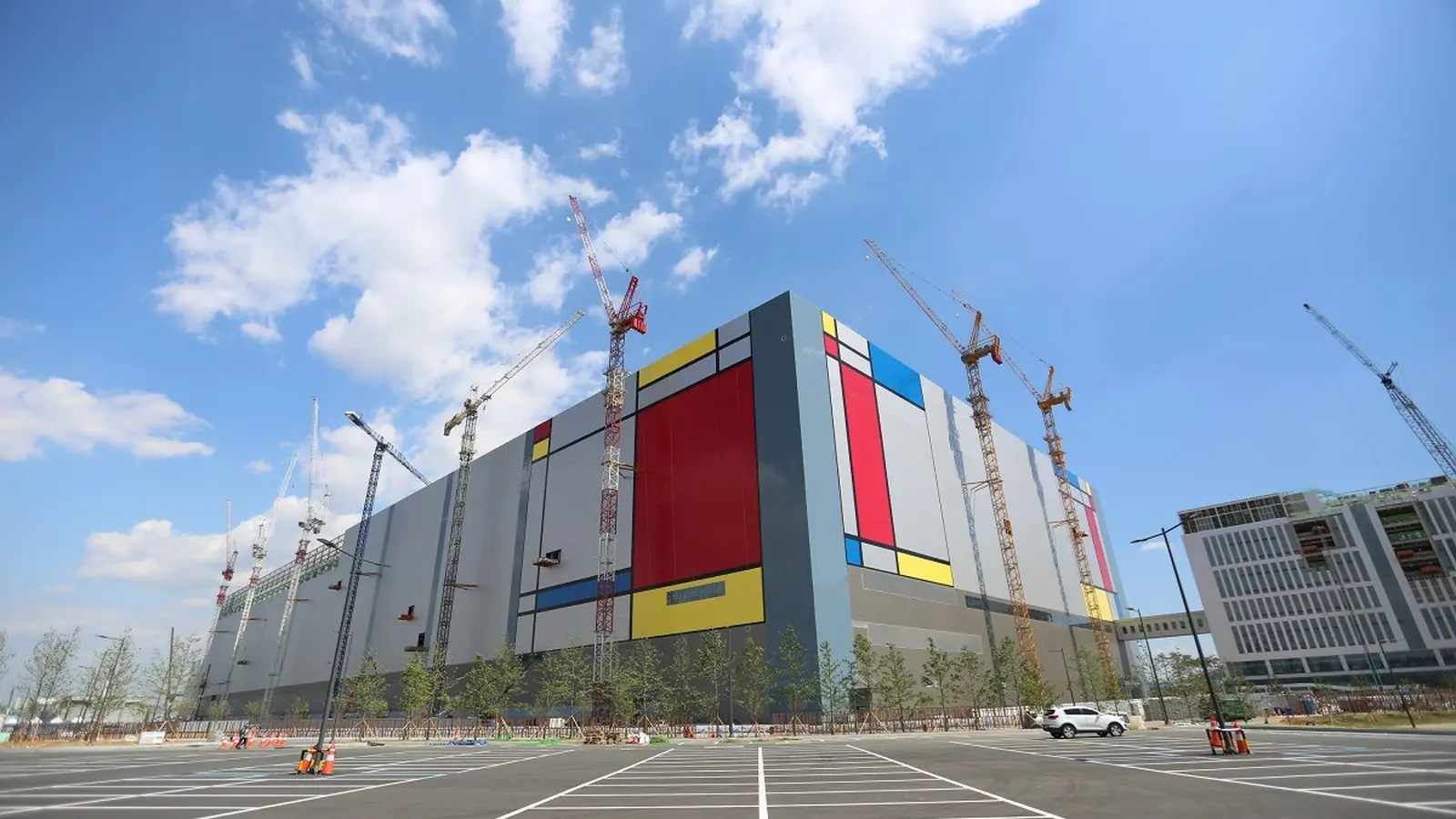
Why now? Simply put: capacity pressure at leading-edge fabs, primarily TSMC, has redirected demand. Samsung's Pyeongtaek facilities, already producing 4nm wafers and HBM base dies, have been running at high utilization. Those base dies — the foundation of stacked HBM memory that routes power and signals and houses the logic — are suddenly hot commodities for memory and GPU customers alike.

The bumps in price carry practical consequences. Nvidia, for example, uses Samsung's 8nm process for the Nintendo Switch 2 chipset and recently restarted production of GeForce RTX 3060 cards on the same node. When older nodes become in-demand again, pricing dynamics change fast.
Samsung's foundry unit has been in the red since 2022. Yet analysts now see a faster turnaround. Lee Min-hee at BNK Investment & Securities told Reuters that stronger orders and higher contract prices could push the foundry back into profit as soon as next year — sooner than many expected.
Operational improvements helped, too. Yield rates have climbed, making more usable chips per wafer and opening space to onboard new customers. And some production lines at Pyeongtaek, notably the SF4 line used for both HBM base dies and certain Qualcomm chips, have been fully booked since late last year. That kind of steady demand gives Samsung leverage when contracts come up for negotiation.
If higher prices stick, Samsung could not only cover past losses but reset pricing power in an industry long shaped by scale and capacity constraints.
For device makers and chip designers, the shift means revisiting sourcing strategies and cost forecasts. For the broader market, it underlines a simple truth: when leading-edge fabs near full tilt, margins and supply chains ripple outward. Watch the book-to-bill figures and capacity announcements; they'll tell you whether this is a temporary blip or the start of a new pricing regime.


Leave a Comment
Comments
No comments yet. Be the first.