
A single cargo manifest can betray a shift. Shipments worth 1.3 billion dollars moving from South Korea to Malaysia, coupled with a drop in Taiwan's exports below 3 billion, are more than trade numbers; they map a rerouting of chip-packaging work that used to flow almost exclusively to TSMC.
New analysis from SemiAnalysis Chipbook points the finger at demand for CoWoS — chip-on-wafer-on-substrate packaging — as the trigger. CoWoS glues together high-bandwidth memory stacks and compute dies into dense, high-performance packages. These are the kinds of modules cloud providers and AI companies feed to their data centers. When everyone wants them at once, corners of the supply chain begin to creak.
TSMC has been the go-to for CoWoS. It even ramped packaging capacity to about 15,000 wafers per month early in 2023 to keep up. Still, capacity increases can be a slow-moving tide against a sudden wave of demand. Reports as early as July from the Commercial Times suggested that customers frustrated by TSMC's packaging constraints started redirecting orders to Intel and other contractors.

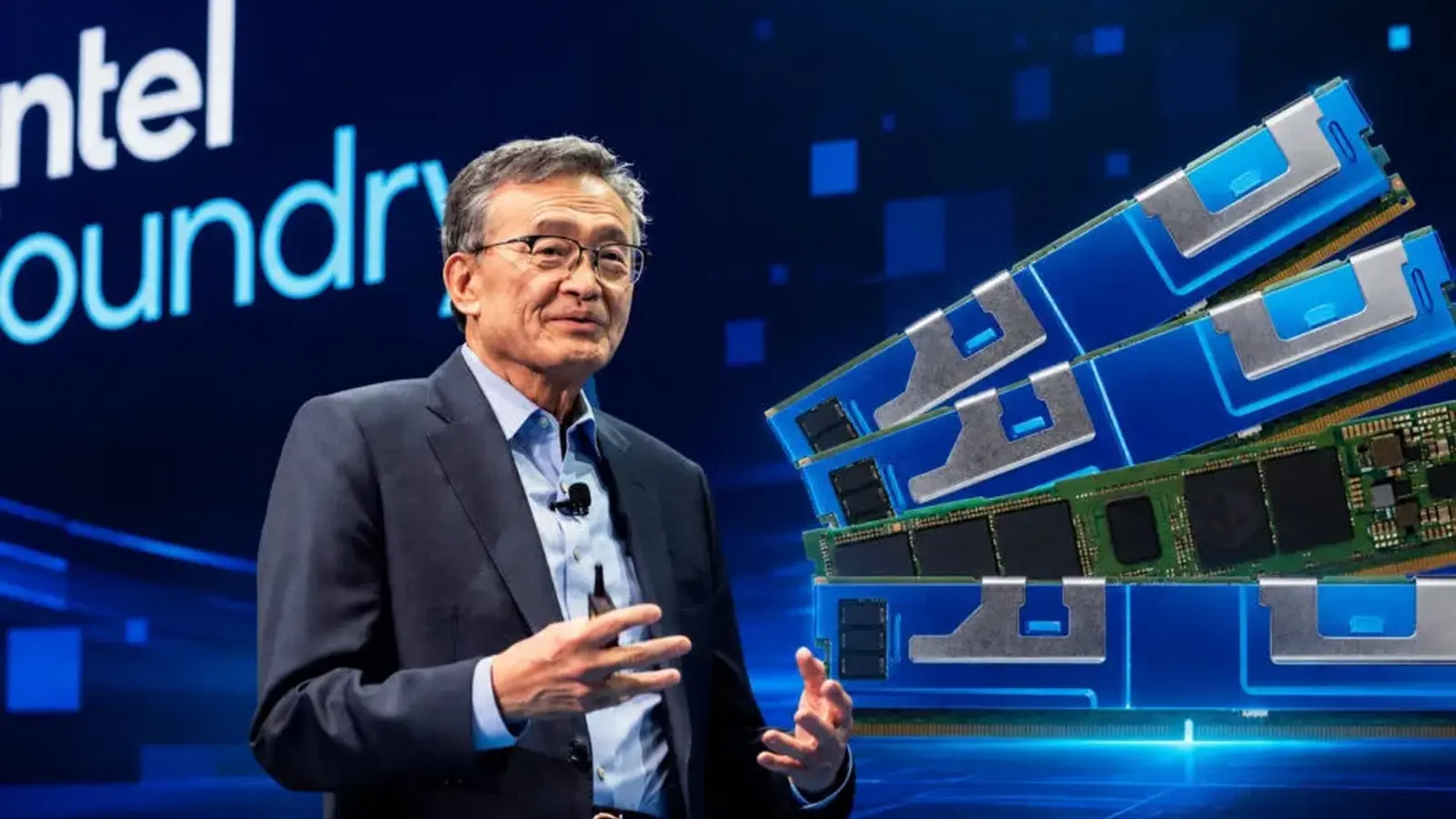
Why Malaysia? Why those dollar figures? The SemiAnalysis export breakdown reveals that a large share of shipments to Malaysia were high-bandwidth memory, or HBM, components — the memory blocks that sit next to GPU arrays in modern AI accelerators. Given that Intel is the only major contract packager with large operations in Malaysia, the inference is hard to ignore: some CoWoS-equivalent work is now landing at Intel's facilities.
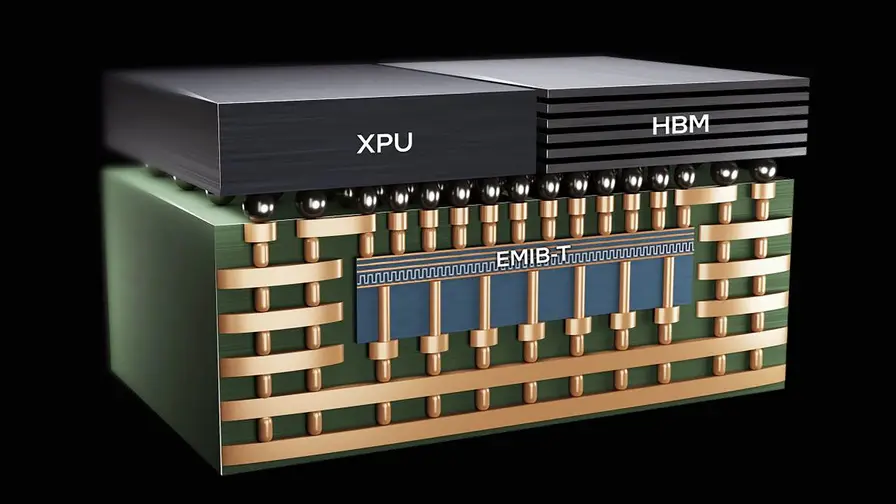
Intel's packaging suite looks different from TSMC's. EMIB and EMIB-T have been the backbone for Intel's multi-die, low-to-moderate power designs for some time. They are cost-effective and versatile. CoWoS, by contrast, offers denser interconnects and is the preferred choice for power-hungry designs from vendors like NVIDIA. But when the preferred vendor is backlogged, engineering teams adapt. Performance trade-offs get weighed against delivery timelines.
Packaging was one of the bottlenecks TSMC warned about as AI demand exploded. Memory production tightened the squeeze further. HBM supply constraints reshuffled relationships at the top of the semiconductor supply chain, even driving protests over pay and profit-sharing at major memory foundries. When memory and packaging both wobble, the whole AI compute stack feels it.
What this may mean is less about a permanent victory and more about the emergence of alternatives: capacity diversification, new supply routes, and more vendors able to shoulder parts of the AI packaging load.
Intel gaining dose of market share here is strategic. Customers that once felt they had no choice now have leverage. That matters when billions of dollars and months of lead time hang on a single packaging decision. It also changes the calculus for future investments: will TSMC double down on packaging scale, or will companies build redundancies by design?
Either way, the story unfolding from export ledgers to factory floors is a reminder that the AI hardware boom isn't only about transistors and nanometers. It's also about logistics, geography, and who can stitch memory and compute together at scale. Keep watching the shipping manifests; they often tell the real story.

Leave a Comment
Comments
No comments yet. Be the first.