
4 Minutes
BMW extends advantage in a defining first half
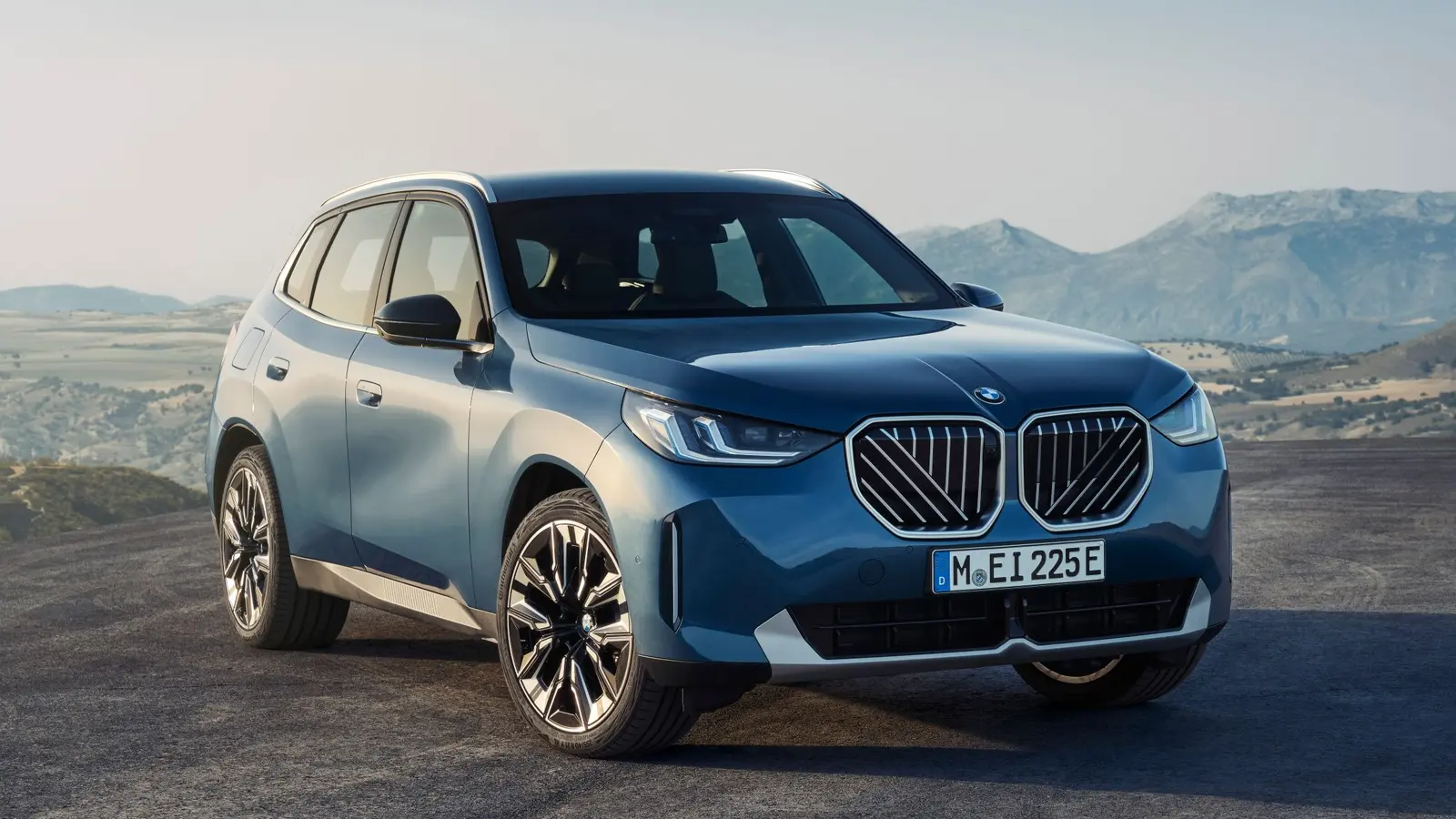
BMW of North America strengthened its grip on the US luxury market in the first half of 2026, increasing the gap with Mercedes-Benz USA as buying patterns favored a balanced product mix from the Bavarian brand. BMW sold 186,944 core-brand vehicles in H1, a 4.7% rise versus the same period in 2025, while Mercedes-Benz USA reported roughly 145,000 passenger-vehicle deliveries. Including commercial vans, Mercedes' combined tally sits at about 160,700 units — still well behind BMW.

Quarterly momentum tells a clearer story
The divergence became more pronounced in Q2. BMW delivered 102,713 vehicles in the quarter, a strong performance that highlights accelerating demand for sedans, hybrids and remaining combustion models. Mercedes managed roughly 75,000 passenger cars and about 9,500 commercial vehicles in the same timeframe, illustrating uneven traction across its lineup.
Why BMW is outperforming
At the heart of BMW's edge is a multi-energy product strategy that spreads risk across internal-combustion, hybrid and electrified models. Rather than relying solely on SUVs, BMW's top mover in H1 was the 3 Series sedan — evidence that traditional segments still carry weight in the premium market when the product is well-timed and well-equipped.

- BMW 3 Series: 18,731 deliveries in H1, up 32.3% year-over-year. The sedan's broad engine range and hybrid options continue to attract both private buyers and fleet customers.
- Z4 roadster: Small but notable rebound — 1,577 units versus 1,067 a year earlier. The canvas-top sports car remains a niche halo model.
- X2 crossover: Showed strong percentage gains, though absolute volume remains modest.
Only one significant weak spot: the iX electric SUV fell sharply, down 46.8% in Q2. Still, BMW's healthy ICE and hybrid portfolio largely offset the iX decline, keeping overall growth intact.

Mercedes' setbacks: timing and inventory
Mercedes-Benz's H1 shortfall appears driven less by brand fatigue and more by timing. Several factors contributed:
- Product lifecycle transitions: Dealers and buyers postponed purchases for models known to be due for facelifts or replacement.
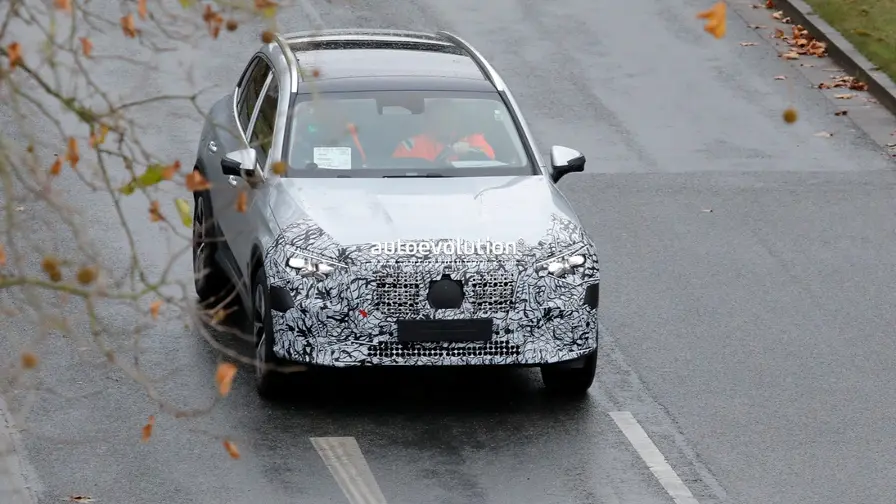
- Front-loaded launch program: Mercedes has been rolling out refreshed GLE and GLS models, an all-new GLC with EQ technology, and an S-Class facelift — a sequence that temporarily leaves some showrooms with thinner inventories.
- Volume-model gap: Missing or limited availability of critical volume models (including certain CLA and AMG variants) reduced retail conversions during peak months.
Some individual lines performed well — the GLE grew nearly 30%, the GLC jumped about 40%, and Maybach volumes rose around 25% — but those gains were isolated and couldn’t compensate for weaker sedan and EV sales across the broader catalog. Mercedes' core US passenger-vehicle volume slipped roughly 3.7% in Q2 and about 3.5% for H1.

What this means for the market
BMW's diversified mix and the strength of the 3 Series show there's still appetite for premium sedans when the product offering is compelling. Mercedes' experience is a reminder that managing model transitions and dealer inventory is critical during aggressive refresh cycles.
Key takeaways:
- Inventory timing matters: showroom stock can make or break quarter-to-quarter results.
- Multi-energy lineups provide resilience: ICE, hybrid and EV balance risk.
- Strong niche models (sportscars, Maybach) help brand image but aren't volume drivers.
"The H1 numbers are a snapshot of strategy and timing," said an industry analyst. "BMW’s broad offering insulated it; Mercedes is paying the price of an active refresh schedule."

Outlook for H2 2026
Mercedes-Benz USA remains optimistic that the deficit is temporary. If refreshed models fully reach dealers and the new GLC with EQ technology gains traction, the brand could recover ground in the second half. BMW, meanwhile, will look to sustain momentum by keeping inventory balanced across sedans, SUVs and electrified models.
For buyers and enthusiasts, the H1 results underline two things: the premium market is evolving, and execution — getting the right cars in dealers' hands at the right time — still determines short-term success. Long term, both brands retain strong recognition and product pipelines; the second half of 2026 will show whether Mercedes' refreshes can close the gap or whether BMW can extend its lead across the year.


Leave a Comment
Comments (2)
is this legit or just fleet math? iX down 46% screams product/price issue, ICE sales hiding the EV problem... need retail vs fleet split asap
Whoa BMW is eating the market, didnt expect the 3 Series to carry that much weight. Mercedes timing sucks, but H2 could flip. dealer stock will tell.