
Volkswagen unveils the Tukan: a new pickup for Latin America
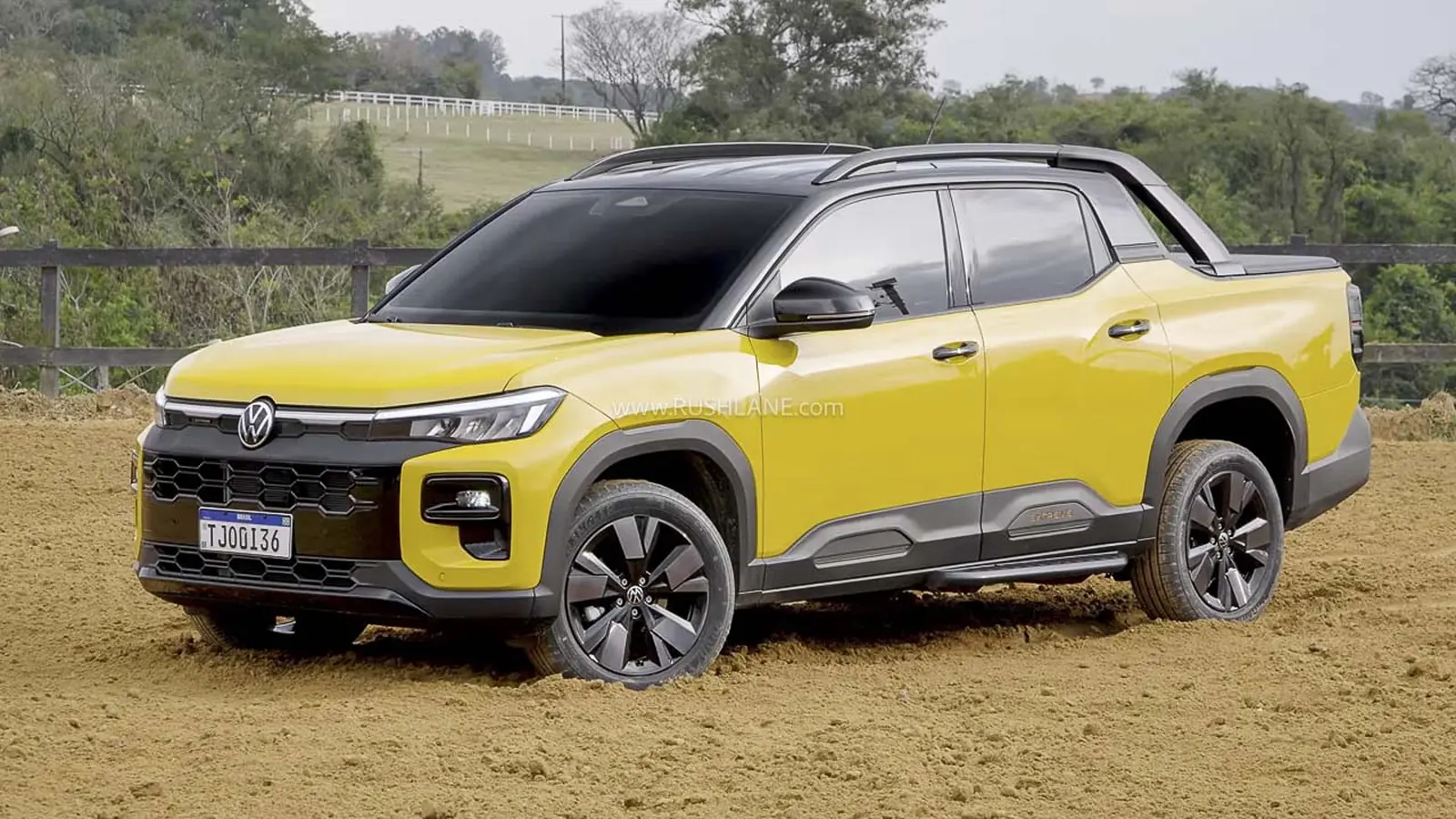
Volkswagen has introduced the Tukan, a compact pickup truck developed specifically for South American markets. Revealed at the Barretos Rodeo Festival in Brazil, the Tukan replaces the long-running Saveiro and will enter production in 2027 as part of Volkswagen's aggressive plan to roll out 21 new products across Latin America by 2028.
Design and packaging: rugged looks, practical details
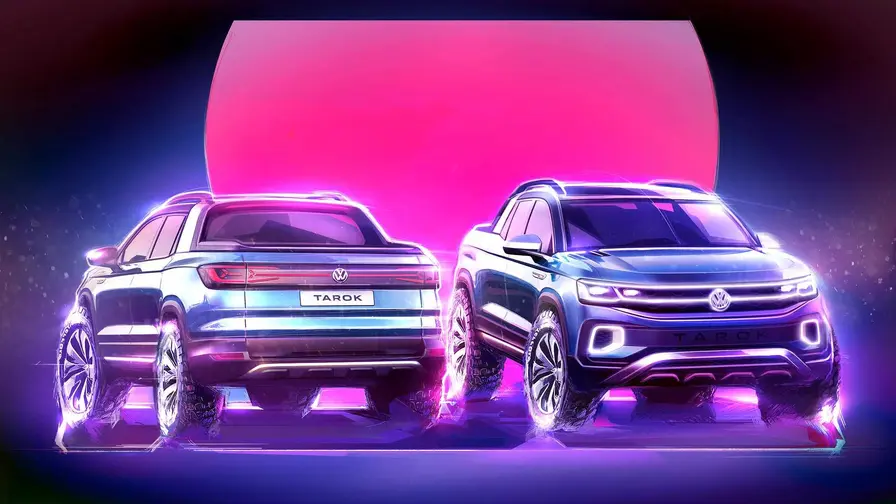
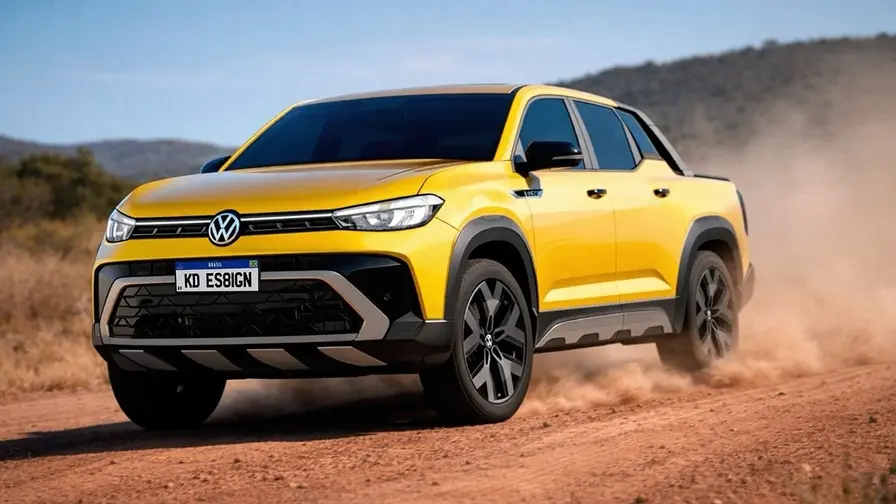
The Tukan follows Volkswagen's fresh design language for the region, with slim headlights, LED daytime running lights joined by a horizontal LED strip, and a tall blacked-out grille that gives the front end a purposeful stance. Heavy black plastic cladding along the flanks and squared wheel arches emphasize a tougher character, while side steps improve ingress and egress.
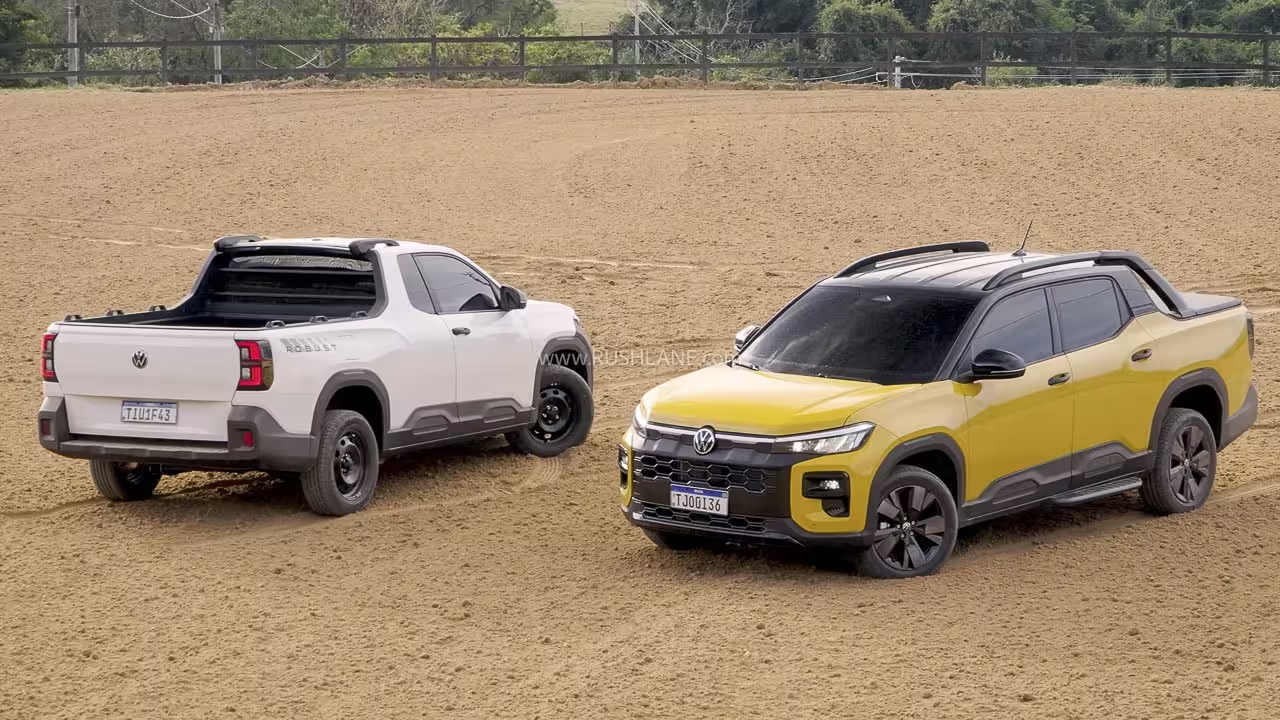
Buyers can choose single- or double-cab layouts. The single-cab prioritizes cargo-bed space and comes standard on steel wheels, aligning it with fleet and commercial buyers. The double-cab is aimed at private customers, featuring sportier alloy wheels, blacked pillars, and roof rails that flow rearward toward the load area. Vertically stacked taillights flank prominent TUKAN badging on the tailgate, and a full-width bumper step makes loading easier.
Underpinnings and powertrains: MQB architecture and small-displacement engines
Despite its pickup silhouette, the Tukan rides on Volkswagen's MQB modular architecture — the same underpinnings that underpin the Golf and Passat. That means the Tukan borrows familiar compact-car mechanicals rather than a traditional body-on-frame truck chassis, favoring on-road comfort and packaging efficiency over heavy-duty towing and off-road extremes.
Initial powertrain choices reflect that focus. The entry-level model uses a 1.0-liter petrol engine, while a more upscale option pairs a 1.5 TSI Evo2 engine with a 48-volt mild-hybrid system. Volkswagen has not yet released horsepower or torque figures; official performance and fuel economy specs are expected closer to launch.
Market positioning and buyer appeal
The Tukan is clearly aimed at Latin American drivers who want the versatility of a pickup in a compact, economical package. With separate trim and equipment strategies, Volkswagen is targeting two distinct customer groups:
- Single-cab: fleet users and small businesses that need a simple, cost-efficient work vehicle.
- Double-cab: mainstream private buyers looking for passenger comfort, added features, and a more polished appearance.
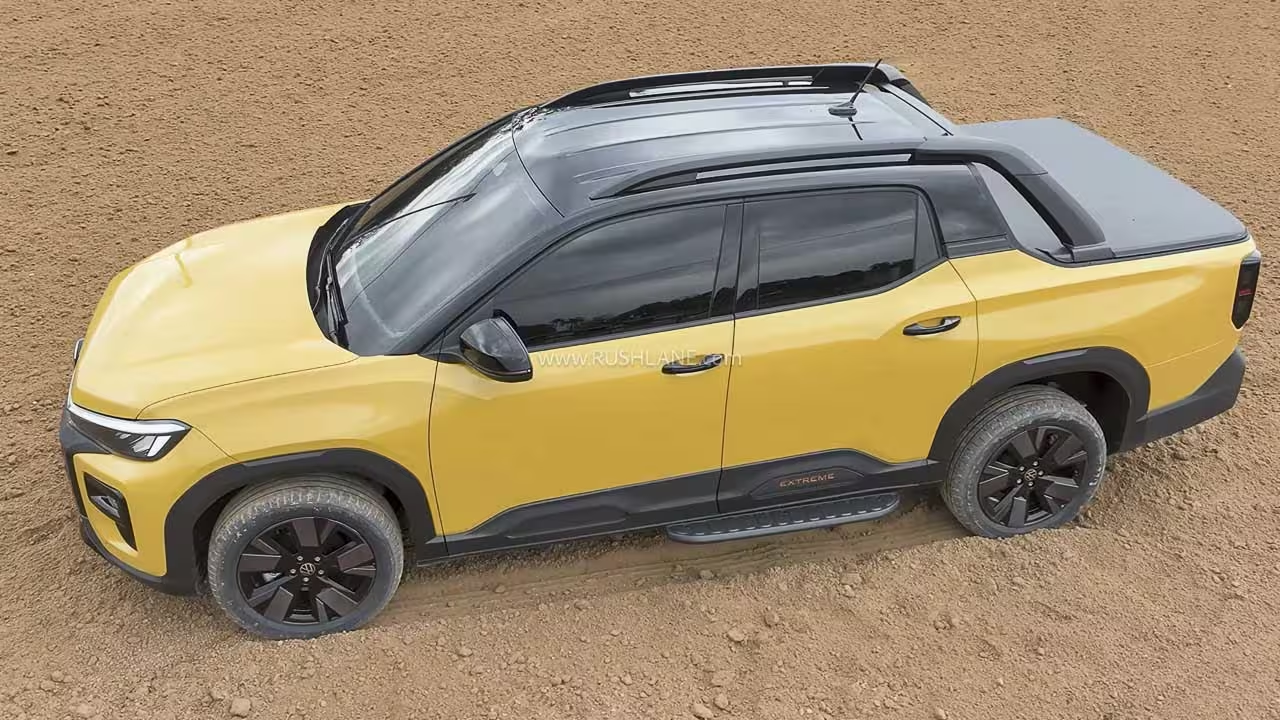
Standard equipment is expected to be more generous on double-cab variants, positioning them as the go-to choice for families and everyday users who want a mix of utility and comfort.
How the Tukan compares globally
It’s important to place the Tukan in context. This is a region-specific compact pickup designed to meet Latin American needs — city maneuverability, good fuel economy, and affordable ownership. It is not conceived to compete with North American full-size trucks. In markets dominated by V8-powered, body-on-frame pickups, the Tukan’s small-displacement engines and MQB underpinnings would limit its competitiveness for heavy towing or hauling work.
Highlights
- Replacement for the Saveiro, which ends its run in early 2027.
- Built on MQB platform — shared with Golf and Passat.
- Engine lineup: 1.0-liter base; 1.5 TSI Evo2 with 48V mild-hybrid available.
- Single- and double-cab body styles, with different wheel and equipment configurations.
- Exclusively planned for the South American market; no U.S. launch announced.

As Volkswagen steps up its Latin America offensive, the Tukan highlights a strategy of localized products tailored to regional tastes and economics. For buyers in Brazil and neighboring countries, the new pickup offers a modern alternative to aging segments of the market. For car enthusiasts elsewhere — particularly in the United States — the Tukan will remain an interesting footnote: clever packaging and efficient drivetrains, but not designed to tussle with the continent's full-size workhorses.
Final pricing, trim levels, and technical data will be revealed as Volkswagen approaches the Tukan's launch in 2027.

Leave a Comment
Comments
No comments yet. Be the first.