
5 Minutes
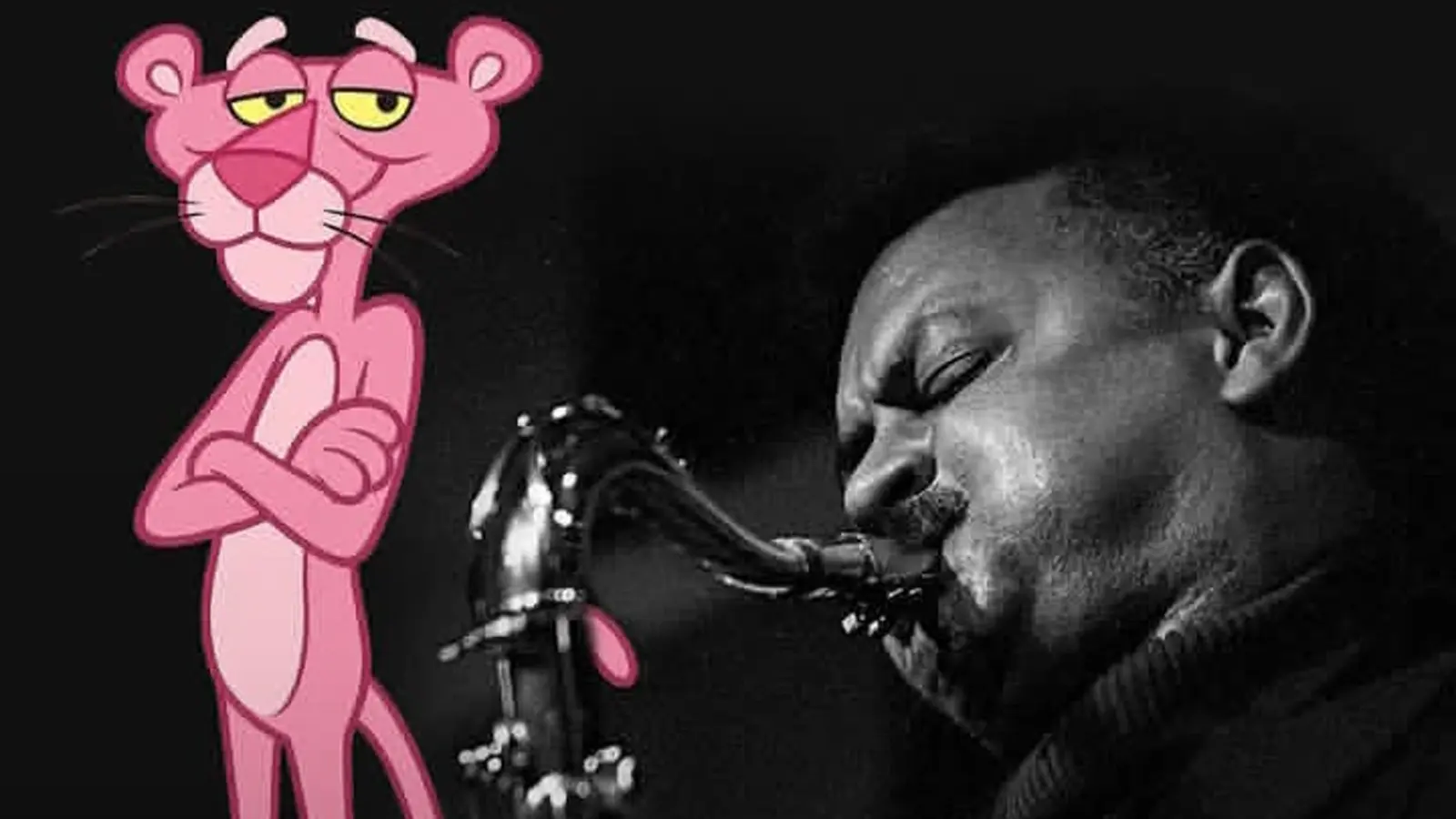
That sly, slinking saxophone lick at the very start of The Pink Panther? It belonged to Plas Johnson — the man whose breathy, mischievous tone turned thirty seconds of film credit into one of cinema's most recognizable signatures. He died at 94 in his Los Angeles home, his family confirmed, after a life spent turning a few notes into unforgettable moments.
Eric Johnson and Stephanie Oliver announced the news and noted something telling: their father had been playing for people as recently as a month before he passed. Not as an echo from the past, but live, still shaping sound in rooms that listened.

Plas Johnson's name will forever be threaded through Henry Mancini's crystalline composition for Blake Edwards' 1963 comedy-mystery. Mancini wrote the theme with a particular voice in mind, and when he heard Johnson's sax work on other projects — most notably Peter Gunn — he knew this was the man. The result is deceptively simple: a 16-bar melody that arrives as the Pink Panther strolls across the screen, equal parts suave, sly, and slyly funny. Johnson's tone hints at mystery and mischief at the same time. Then he improvises. And that improvisation stretches the tune in directions you don't expect.
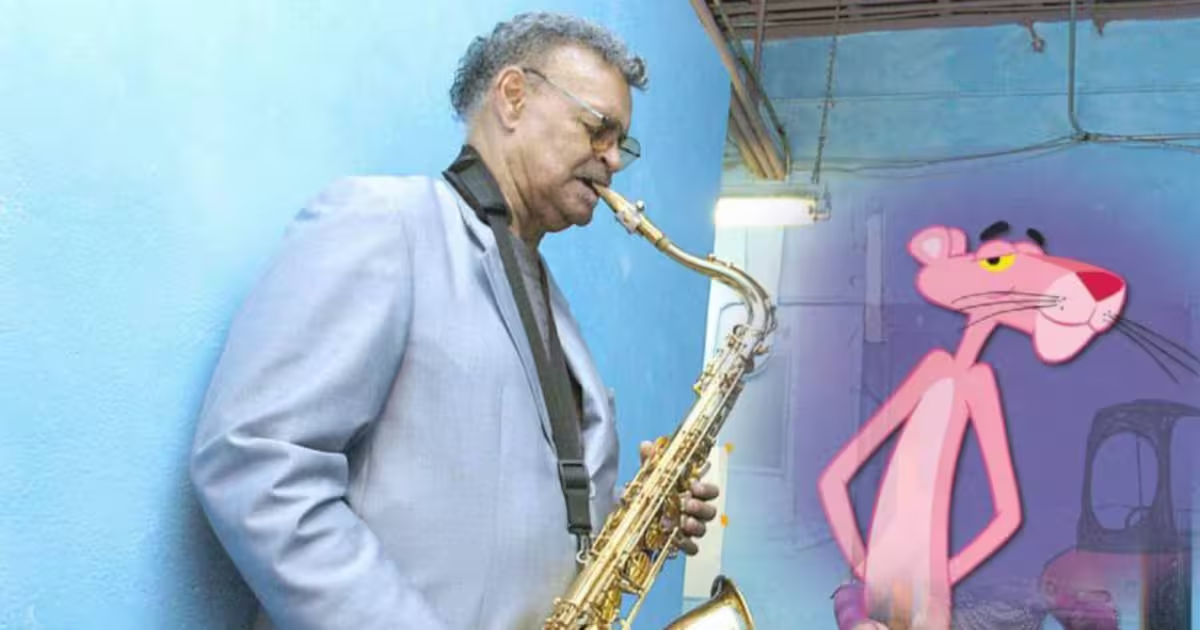
The recording session itself has become a bit of legend among studio lore. It was a cold morning. Eight a.m. on the clock. Johnson later remembered there were only two takes. Two. When the last phrase faded, players in the room — even those in the string section, who didn't normally applaud solos — stood and cheered. The record went on to crack the adult contemporary top ten and helped Mancini win three Grammys, including Best Instrumental Arrangement.
But a career like Johnson's isn't a single sound frozen on celluloid. It's a lifetime of small, exacting choices. Born July 21, 1931, in Donaldsonville, Louisiana, he grew up in a household that was a miniature orchestra: a piano-playing, singing mother and a father who played alto sax. He was onstage with his siblings as a child, and at 12 he received his first soprano sax from his father. Over the years he learned alto, tenor, baritone, clarinet and flute. He learned versatility early. It would become his currency.
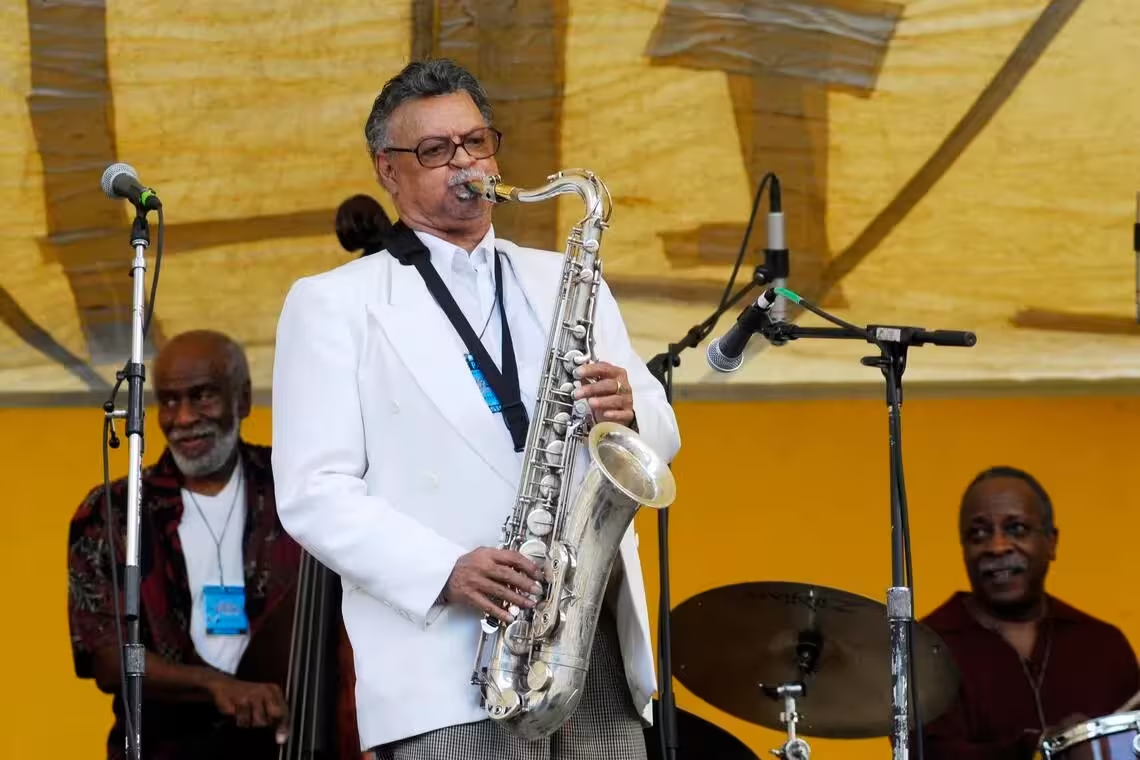
After joining Charles Brown's touring band in 1951, and a stint in a military band stationed in California, Johnson settled in Los Angeles in the mid-1950s. He quickly became one of the first Black musicians to win steady studio work on the West Coast. One day he would be asked to lay down a rhythm-and-blues track; the next, to thread a delicate line through a string arrangement; later to deliver a punchy rock solo. That chameleon-like quality made him a go-to in the golden era of studio musicians. He was part of what became known as the Wrecking Crew — a loose constellation of players whose names rarely made the credits but whose sounds shaped pop music.
His résumé reads like a who's who of 20th-century music: sessions for The Monkees, Mannix and The Odd Couple; dates with Barbra Streisand, Frank Sinatra, Frank Zappa, Dr. John, Elton John, Ella Fitzgerald and Marvin Gaye. He supplied the piccolo solo on the hit 'Rockin' Robin' in 1958, added woodwind color to The Beach Boys' Pet Sounds, and played the flute solo on Nicolette Larson's Top 10 hit 'Lotta Love.' He released more than a dozen albums under his own name and remained a fixture on television — including a 15-year run with the Merv Griffin show band.

Johnson kept returning to that playful Panther theme throughout his life. He rerecorded it for the 2006 Steve Martin remake and appeared in the 2008 documentary The Wrecking Crew, which finally pulled back the curtain on the studio musicians who had quietly supported so many famous acts. But his heart, he often said, belonged to the night: the small clubs, the late sets, where a saxophonist can bend a phrase and watch a room lean in. He once estimated he knew about 5,000 tunes. Think about that. Five thousand. No wonder he could turn a three-bar passage into a conversation.
There is also the human side to this story. Johnson's first marriage to Elizabeth Blinkenberg ended in divorce; he is survived by children Cheryl Johnson, David Johnson and Dennis Hurley from that marriage, and by Eric Johnson, Stephanie Oliver and Philip Nan from his second marriage to Carol Johnson, who was by his side for six decades. He also leaves behind eight grandchildren and twelve great-grandchildren. Family gatherings, he said, often sounded like small orchestras.

Critics noticed what club audiences already knew. Don Heckman of the Los Angeles Times wrote about Johnson's warm, lyrical sound, his quick melodic ornaments and his swinging phrases. Those qualities made him not just a hired hand but a storyteller — someone who could place punctuation and color in the exact spot a track needed. In interviews he explained the work ethic behind that fluency: relentless nightly performing, study, and a muscle memory forged by thousands of nights onstage.
Artists sometimes get boxed by one iconic moment. Johnson never let that happen. He embraced the Panther lick, sure, but he spent a career proving it was the smallest part of a much larger voice. He turned studio anonymity into a catalog of moments that appear unexpectedly in music you think you know — a flute here, a saxophone line there — and they catch you by surprise with their clarity.
So next time the Pink Panther tiptoes across your screen, listen. It's a reminder that a single musician can color an image and a mood so thoroughly that neither film nor listener will ever forget it.

Leave a Comment
Comments (2)
is this even true? studio heroes never got named back then, feels like hollywood polished the legend. that sax line stuck with me, weird.
wow that sax lick gave me chills, Plas lived to 94 and was still gigging? 5,000 tunes tho... unreal. That tone is pure mischief, damn.