
3 Minutes
Battery breakthroughs rarely make headlines the way flashy camera sensors or foldable screens do. Yet Samsung's quiet shift to silicon-carbon cells in its latest foldables might be the kind of change that actually matters every time you unplug your phone.
The Galaxy Z Fold 8 family and the Z Flip 8 are the company’s first phones to ship with Si-C batteries, a tweak under the hood that promises higher energy density compared with conventional lithium-ion cells. Translation: smaller cells or more juice in the same volume. For the Fold 8 book-style models that meant larger packs than before; the Flip 8 kept capacity steady but trimmed thickness, showing how Si-C can buy designers some breathing room.
So where does that leave the Galaxy S line? At a London briefing, Moon Sung-hoon, vice president of hardware for Samsung’s mobile division, was candid. He said the decision to use Si-C would be judged product by product and hinge on one simple test: does it produce a meaningful difference for users. No blanket promise. No rollout timeline. Just pragmatic criteria.

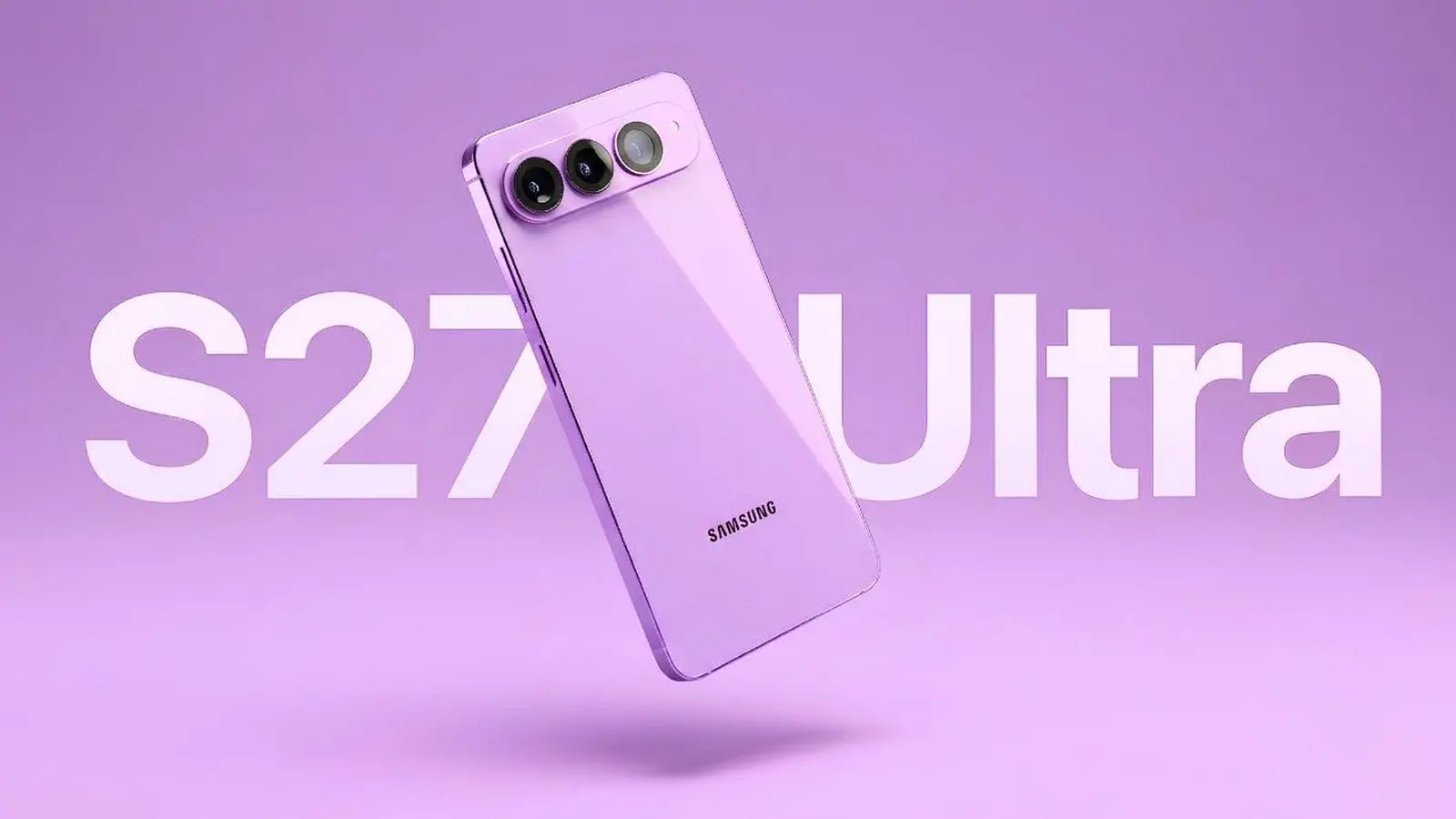
Rumors have flirted with the idea of a shrunken constraint for the S27 Ultra — a model that could finally nudge past the familiar 5,000 mAh ceiling toward something near 5,500 mAh, if Samsung can squeeze more capacity into the same frame. That would be a welcome change for anyone tired of daily charging cycles.
But real-world rollout is messier than specs on a sheet. Europe and the US impose stricter shipment and certification rules once a single-cell lithium battery goes above about 20 Wh, which equates to roughly 5,200–5,300 mAh for common smartphone voltages. Exceed that threshold and logistics costs climb. Some makers sidestep the limit with dual-cell arrangements that keep each cell under the cap, yet that solution adds manufacturing cost and consumes space — not ideal when thin devices are the goal.
Samsung, along with Apple and Google, has tended to respect that single-cell threshold for phones sold in Western markets. Chinese brands have sometimes taken different paths, accepting higher transport costs or adopting dual-cell designs to chase larger numbers on spec sheets. Will Samsung break from its long-running caution? Not yet clear.
If Si-C can deliver noticeably better battery life without adding bulk or regulatory headaches, Samsung will likely bring it to the S series — but only where the trade-offs make sense.
There was a brief mention of Samsung's rollable display efforts at the same event, a reminder that the company is juggling multiple hardware experiments at once. Rollables remain a slower burn than foldables, with reliability and design constraints still being worked through. Batteries are part of that puzzle: flexible screens and unconventional chassis designs change how and where cells can sit.
No dramatic roadmap was handed down. Instead, Samsung is testing, measuring, and weighing trade-offs. For smartphone buyers the bottom line is deceptively simple: expect incremental progress, not overnight revolutions. And if your next flagship lasts noticeably longer between charges, you'll probably never think about what made it happen — which, frankly, is the best kind of upgrade.

Leave a Comment
Comments
No comments yet. Be the first.