
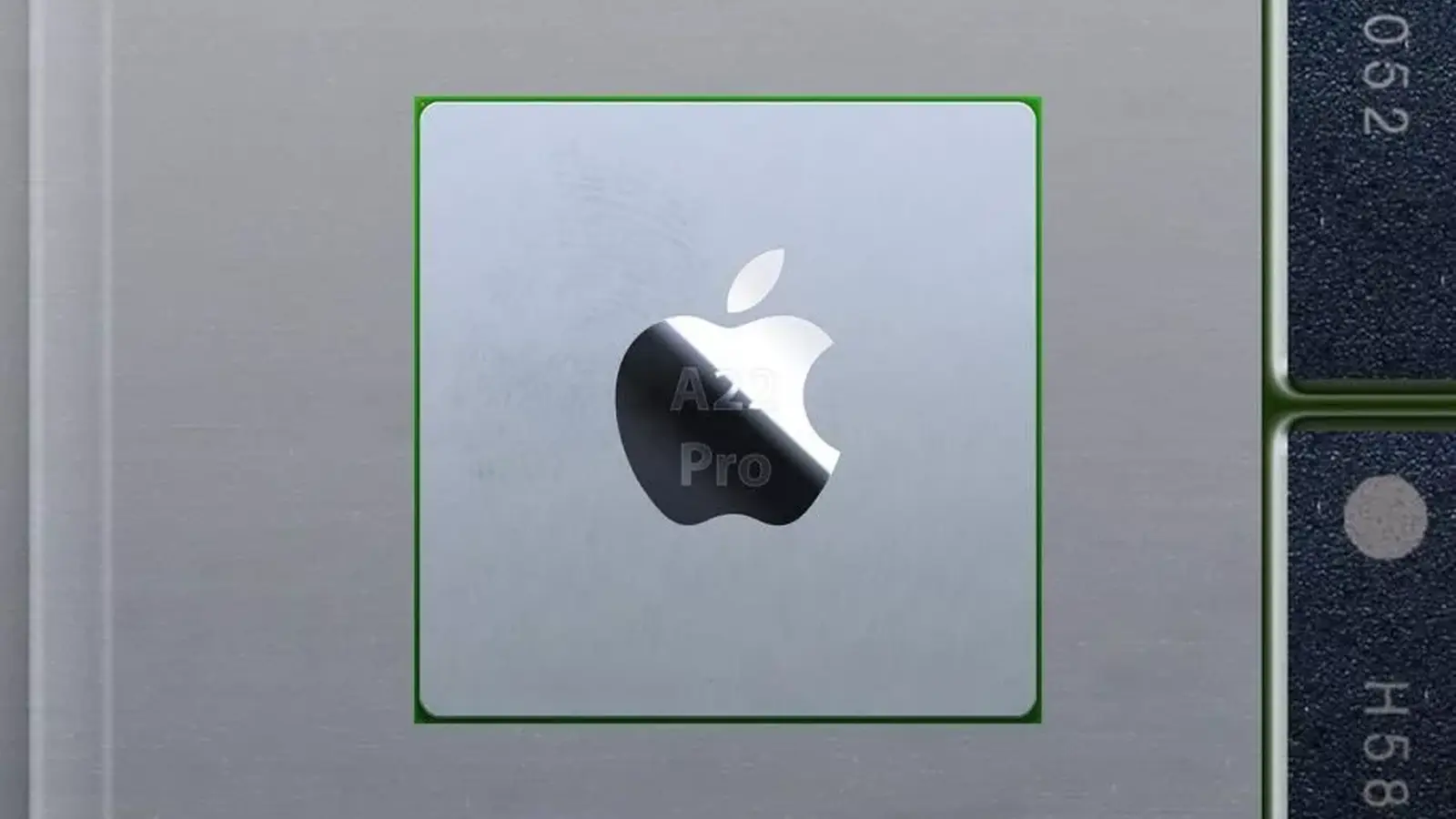
Apple just signaled a risk that most tech buyers don’t see until their favorite feature stops working: the computing muscle behind AI might be running short. Short sentence. Big consequence.
In a freshly filed 10-Q with the SEC, Apple slipped in a warning that goes beyond the familiar supply-chain drama. Yes, it called out the usual parts risks — the company has intentionally narrowed its supplier base, and that makes it more exposed to price swings and shortages — but the filing also highlights a quieter, strategic vulnerability: limited compute capacity for AI and machine learning workloads.
Memory markets get a special mention. Persistent tightness in NAND and DRAM, Apple says, can hurt its ability to source components in the quantities it needs or on commercially reasonable terms. Translation: higher costs or simple unavailability could put product timelines at risk.
Then comes the less obvious problem. Apple has avoided the hyperscaler path of pouring billions into bespoke AI datacenters and custom server farms. Instead, it runs heavy AI workloads inside its private cloud and increasingly leans on third-party infrastructure. The company explicitly notes that its AI and ML services rely on access to adequate compute resources — resources that are now in fierce demand.

Demand has surged. Supply has not kept pace. The result is constrained availability, longer lead times and rising costs for the compute gear and capacity Apple needs to scale its services. Because some of that capacity sits outside Apple’s own fences, the company admits it may not be able to secure enough compute on reasonable terms, if at all, to meet customer demand.
If Apple can’t obtain sufficient compute capacity in time or at reasonable cost, performance, availability and product rollouts could be delayed.
Hardware details remain thin. While Google and Amazon have been public about custom AI chips, Apple has offered limited disclosure about its own AI hardware. It runs workloads through a private cloud compute (PCC) ecosystem, and in June revealed a notable partnership: expanding PCC to leverage Nvidia chips via Google Cloud — a clear sign that Apple is buying horsepower rather than building it all in-house.
So where does this leave Apple and the broader AI race? Will the company accelerate custom silicon efforts, buy more third-party capacity, or accept slower feature rollouts? The choice will shape not just Apple’s product cadence, but also who controls the compute stack powering the next generation of intelligent services.

Leave a Comment
Comments
No comments yet. Be the first.