
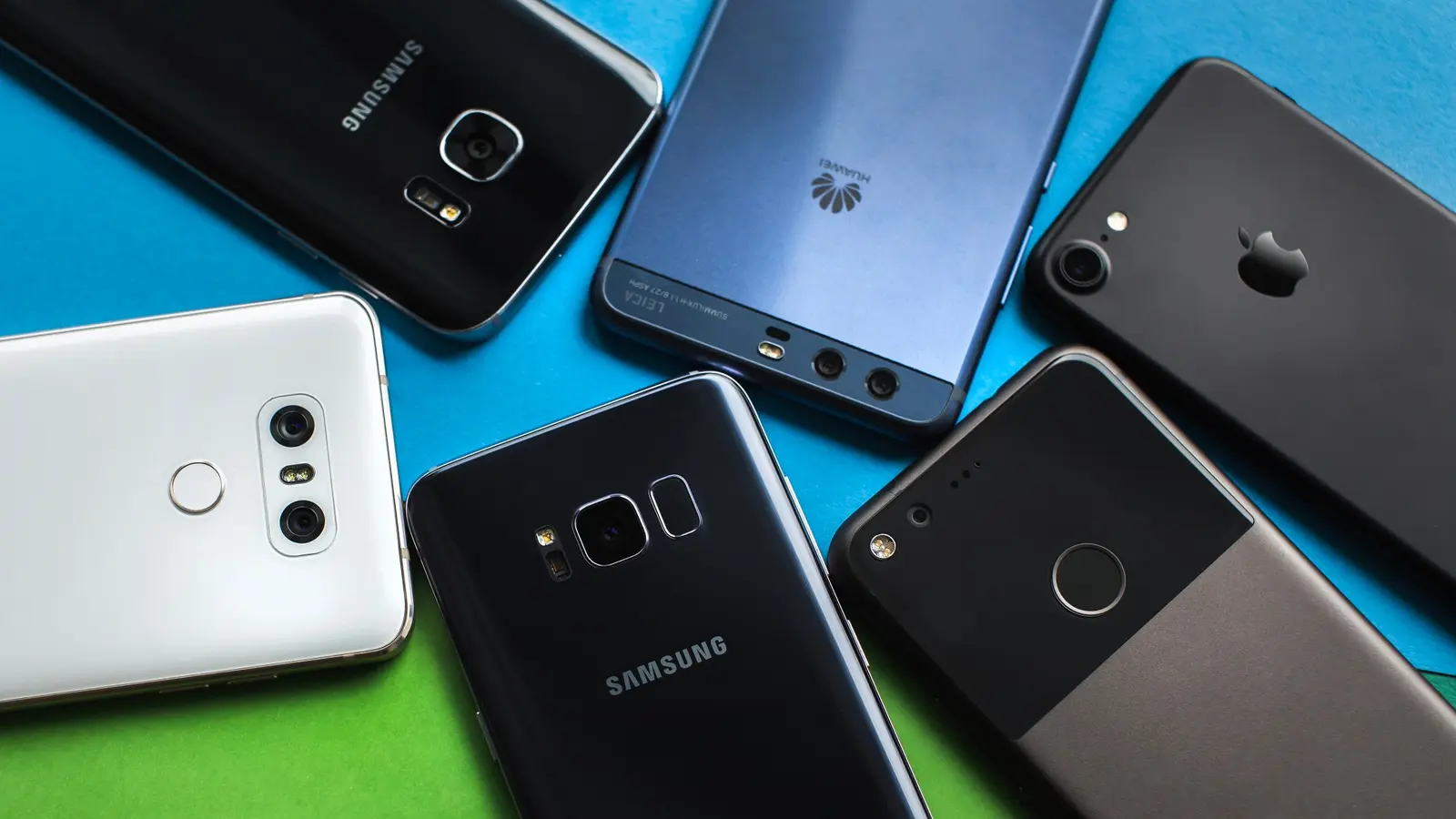
You could be sitting on a gold mine—literally. Old mobile phones, left to gather dust in drawers, contain tiny concentrations of precious metals that add up fast. One ton of discarded phones (without batteries) holds roughly 130–140 kilograms of copper, about 3.14 kilograms of silver and between 300 and 350 grams of gold.
Put another way, a ton of used phones can contain several times more gold than a ton of freshly mined ore. Mines typically yield only 5–20 grams of gold per ton of rock. The difference is stark because electronics concentrate those metals in small, recoverable components instead of leaving them scattered in geological formations.
These figures aren't just trivia. They represent money. Global e-waste in 2022 was estimated to hold roughly $91 billion in recoverable metals and materials—about $19 billion in copper and $15 billion in gold alone. That’s real economic value locked inside obsolete gadgets.
So why aren’t we harvesting it? Human habits play a big role. Only about 22.3% of e-waste was formally collected and recycled in 2022. Surveys show the average European household owns some 74 electronic devices, of which around 13 sit unused. Many people hang on to old phones hoping they’ll need them someday, or simply because tossing them feels wasteful.
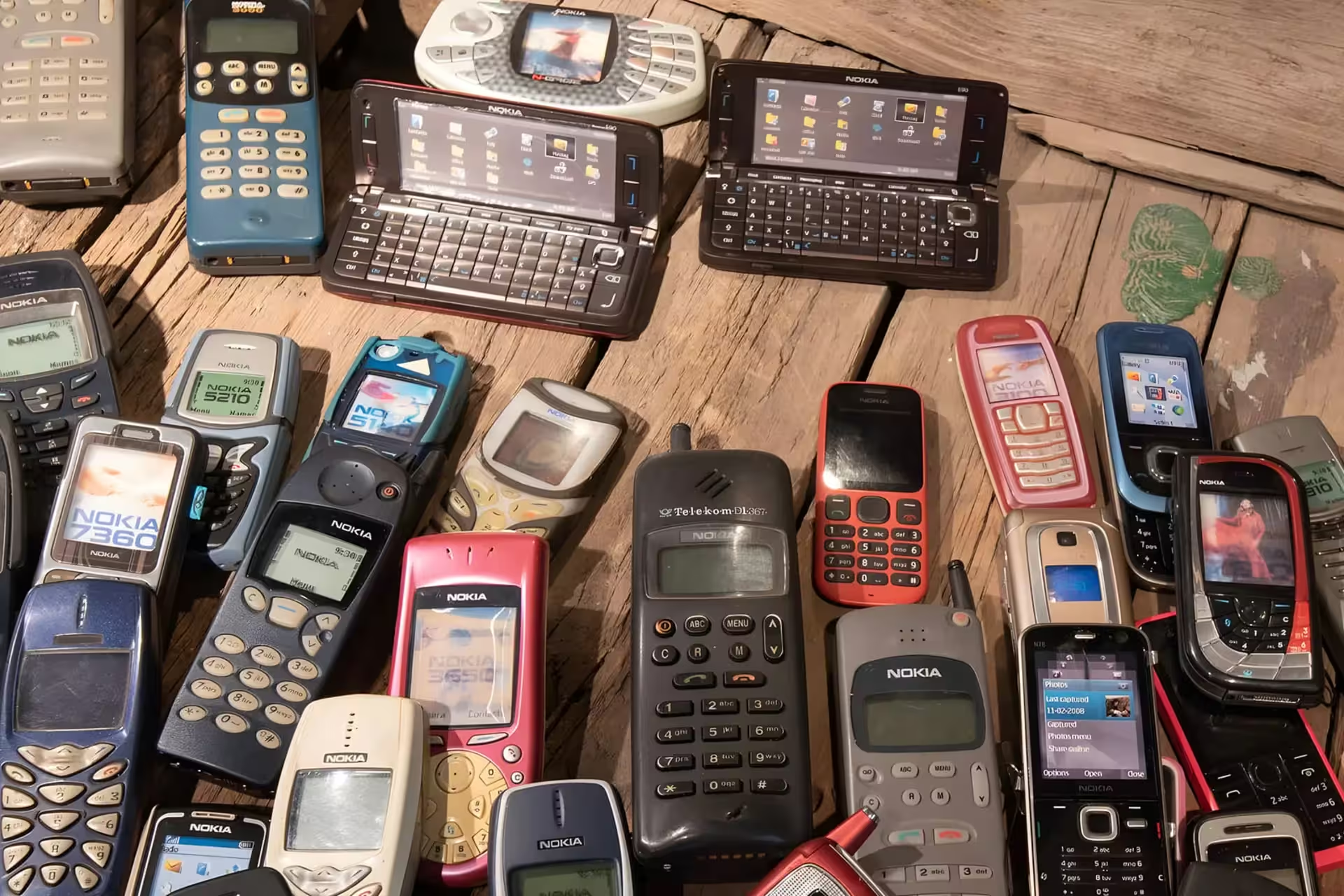
“Most people don’t realize these seemingly worthless items are actually quite valuable,” says Pascal Leroy, director of the WEEE forum. He points out that hoarded devices, multiplied across homes worldwide, amount to enormous caches of recoverable metals—an untapped resource for industry and a missed opportunity for sustainability.
Recycling matters for more than money. Recovering metals from e-waste avoids the environmental costs of new mining: reduced energy use, fewer emissions and less habitat destruction. Urban mining—retrieving metals from cities rather than deep underground—is efficient and scalable, if the collection systems and consumer behaviors improve.
There are practical steps anyone can take. Trade-in programs, certified recycling drop-offs and retailer take-back schemes turn dead phones into feedstock for modern factories. Even donating devices for refurbishment keeps parts in circulation longer. Small actions multiply when millions participate.
Next time you open that junk drawer, remember: those old phones are not just clutter. They’re concentrated stores of valuable materials—and a reminder that solving waste starts at home. Do you know how many phones are waiting in your drawers?


Leave a Comment
Comments
No comments yet. Be the first.