
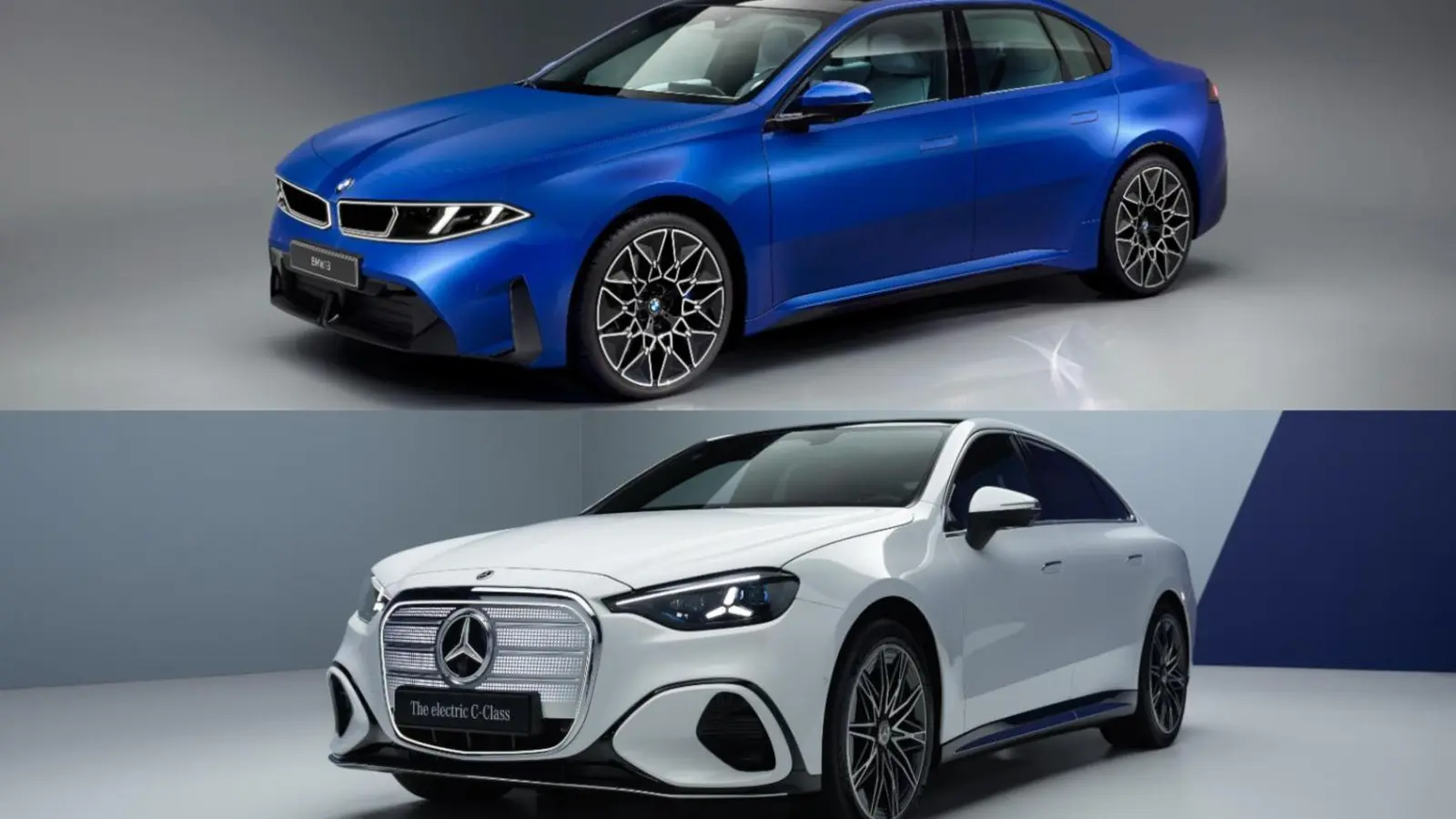
BMW and Mercedes-Benz each launched their first all-electric compact executive sedans for 2027: BMW's i3 Neue Klasse (NA0) emphasizes range and fast charging, while Mercedes-Benz's C-Class electric (W520) prioritizes straight-line performance and interior space.
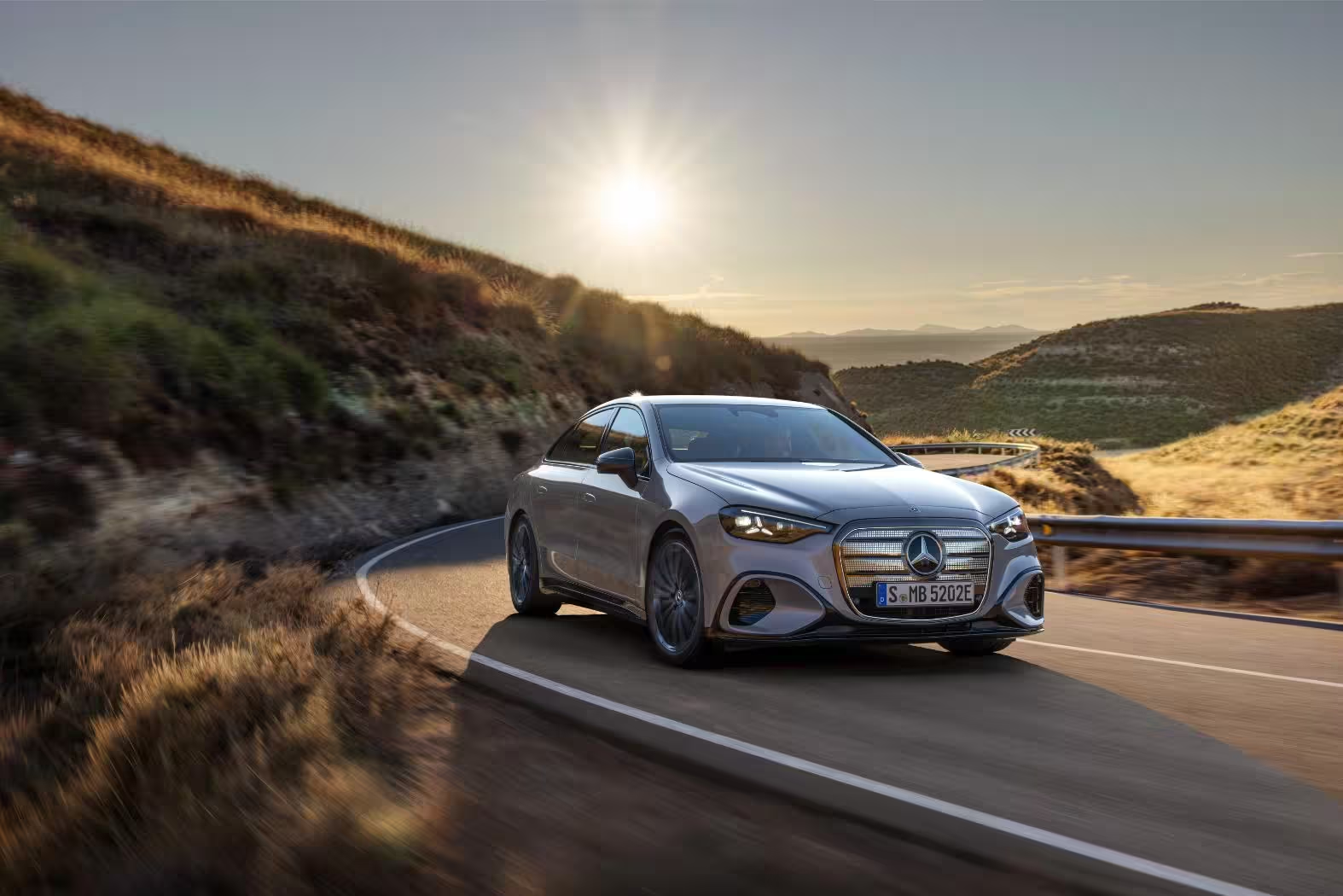
The Mercedes-Benz C 300 4Matic uses two electric motors for 421 PS (416 HP) and 800 Nm (590 lb-ft) of torque, weighs 2,415 kg (5,324 pounds), accelerates 0 to 100 kph (62 mph) in 4.5 seconds and is electronically limited to 210 kph (130 mph).
The BMW i3 40 xDrive pairs two motors for 374 PS (369 HP) and 520 Nm (384 lb-ft), weighs 2,165 kg (4,773 pounds), completes 0 to 100 kph in 5.4 seconds and is limited to 200 kph (124 mph).
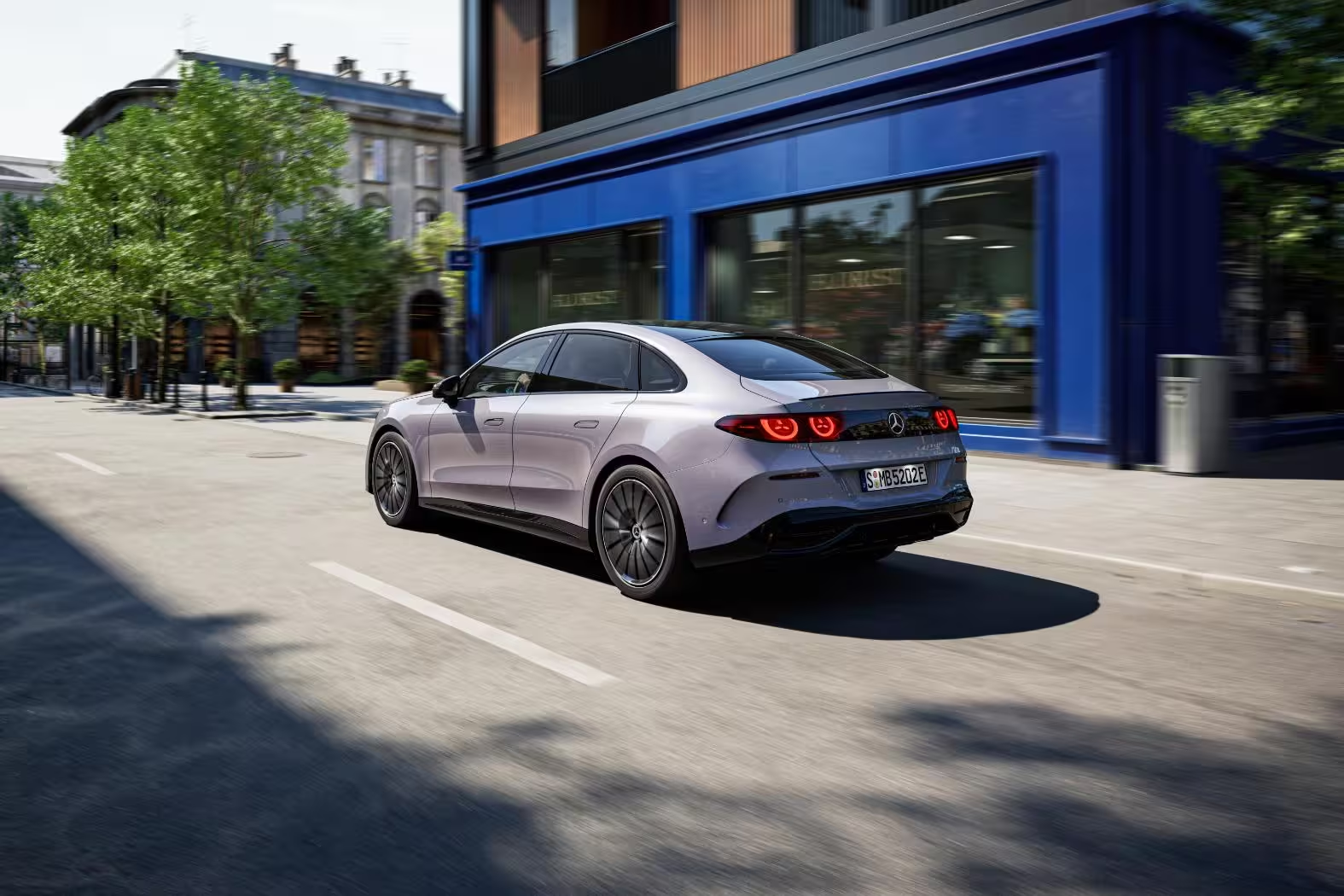
At the top of the line, the C 400 4Matic produces 489 PS (482 HP) with the same 800 Nm (590 lb-ft), weighs 2,460 kg (5,423 pounds) and does 0 to 100 kph in 4.0 seconds. The BMW i3 50 xDrive makes 469 PS (463 HP) and 645 Nm (476 lb-ft), weighs 2,280 kg (5,027 pounds) and reaches 100 kph in 4.7 seconds; its top speed is limited to 200 kph (124 mph).
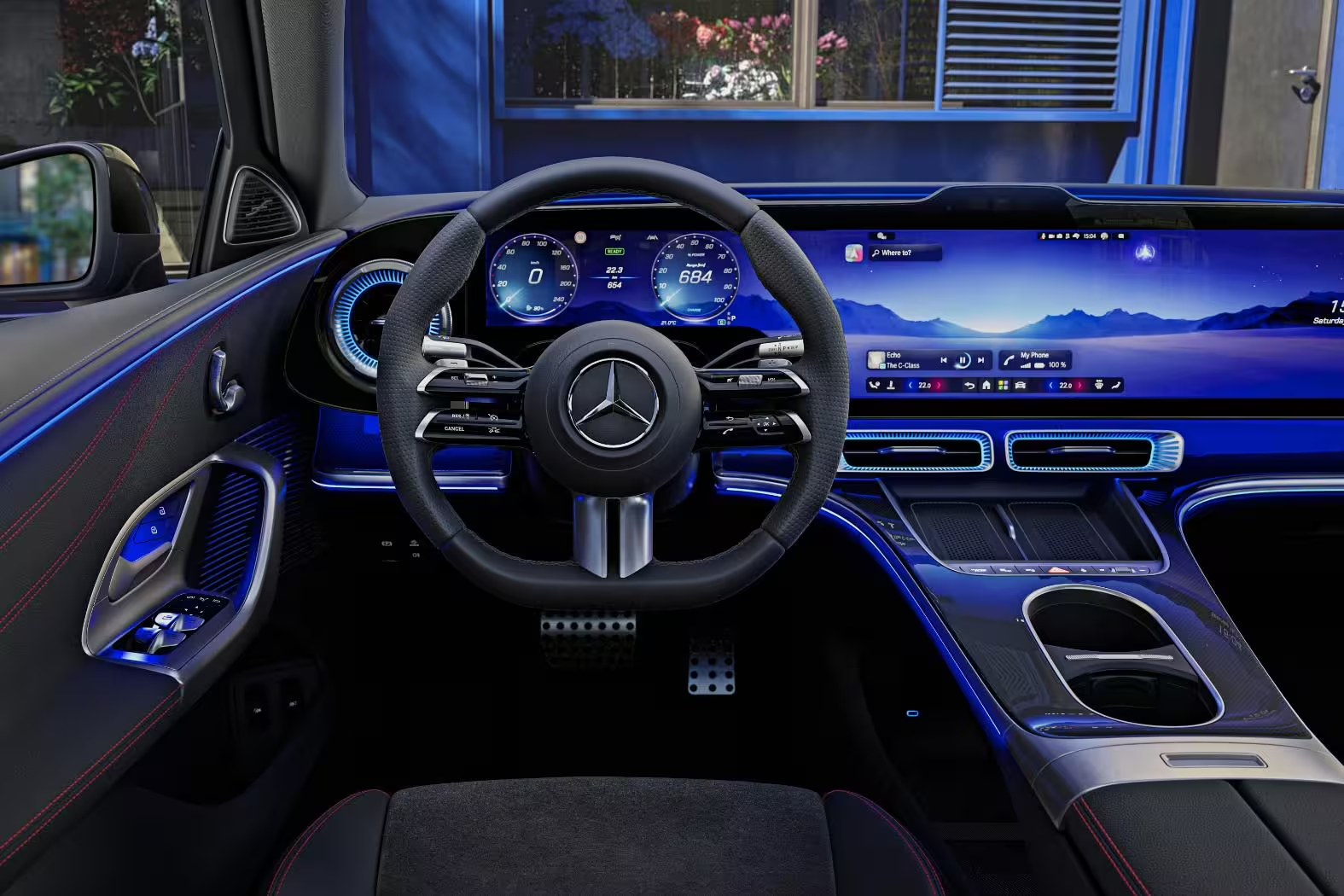
Both models use an 800V electrical architecture, but their range and charging figures diverge sharply. The C 400 4Matic carries a 94 kWh net NMC battery and a WLTP range of 762 km (473 miles). Mercedes fits a two-speed automatic on the rear axle to aid high-speed efficiency and performance.
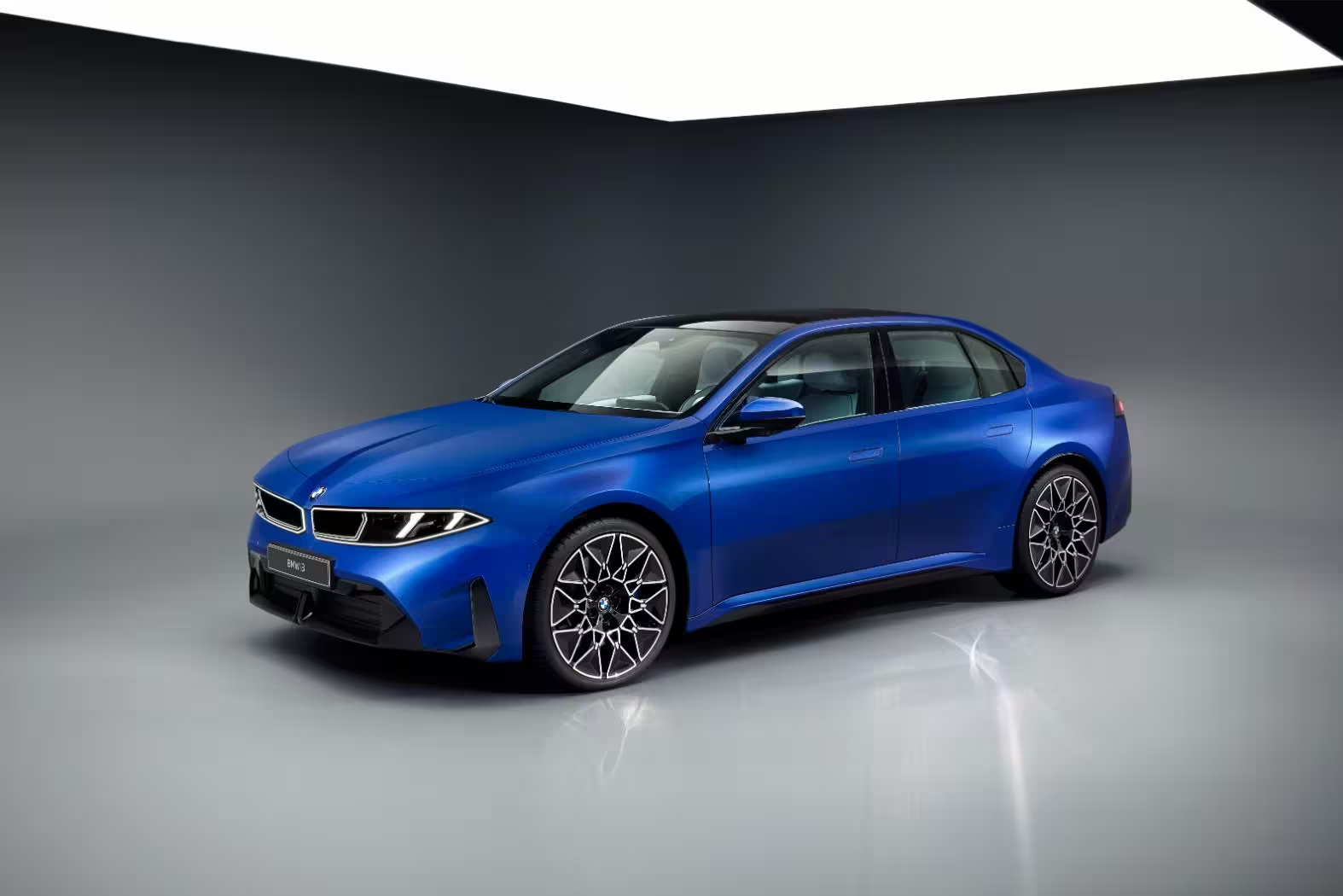
The i3 50 xDrive uses a 108.7 kWh net battery, weighs 2,280 kg and achieves a WLTP range of 912 km (567 miles). BMW quotes DC charging up to 400 kW; Mercedes quotes up to 330 kW.
In the mid-range, the C 300 4Matic has an 85 kWh net battery, a weight of 2,415 kg and a WLTP range of 690 km (429 miles). The i3 40 xDrive uses an 82.8 kWh net battery, weighs 2,165 kg and offers 710 km (441 miles) WLTP.
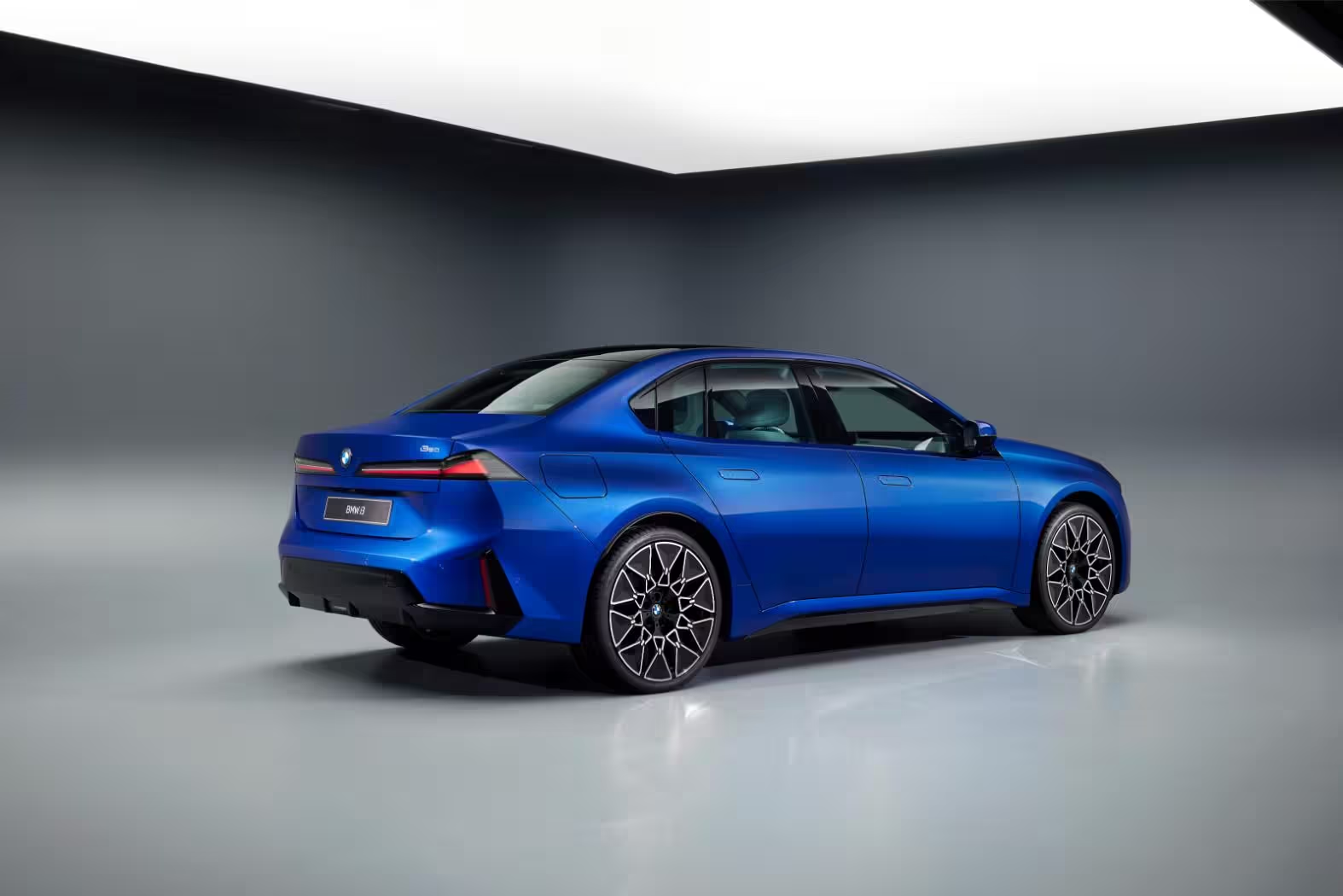
Aerodynamics and frontal area contribute to BMW's efficiency. The i3 has a drag coefficient of 0.21 and a frontal area of 2.35 sq m; the C-Class has a Cd of 0.22 and frontal area of 2.41 sq m, producing about 7 percent more aerodynamic drag for the Mercedes at equivalent speed.
The C-Class electric is larger. It measures 4,880 mm (192.1 in) long with a 2,960 mm (116.5 in) wheelbase. The BMW i3 is 4,760 mm (187.4 in) long with a 2,900 mm (114.2 in) wheelbase, 60 mm shorter than the Mercedes.
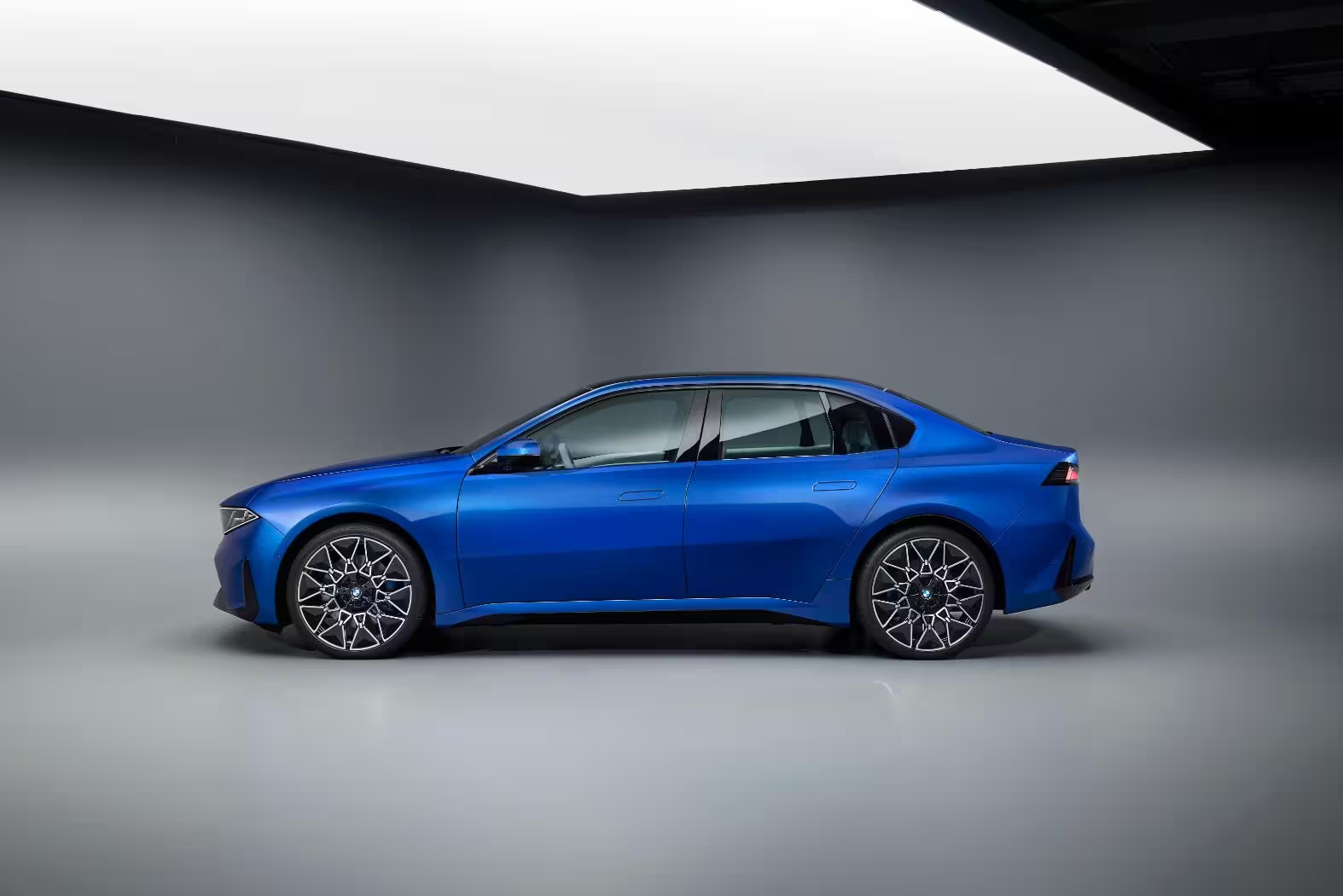
Passenger and luggage space favor the Mercedes. The i3 offers a 420-liter trunk and a 31-liter frunk. The C-Class electric provides a 470-liter trunk with liftback access and a 101-liter frunk.
Steering and maneuverability differ. The i3 has a 12.2 m (40 ft) turning circle. The standard C-Class needs 12.1 m (39.7 ft); with optional rear-steering up to 4.5 degrees it reduces to 11.2 m (36.6 ft).
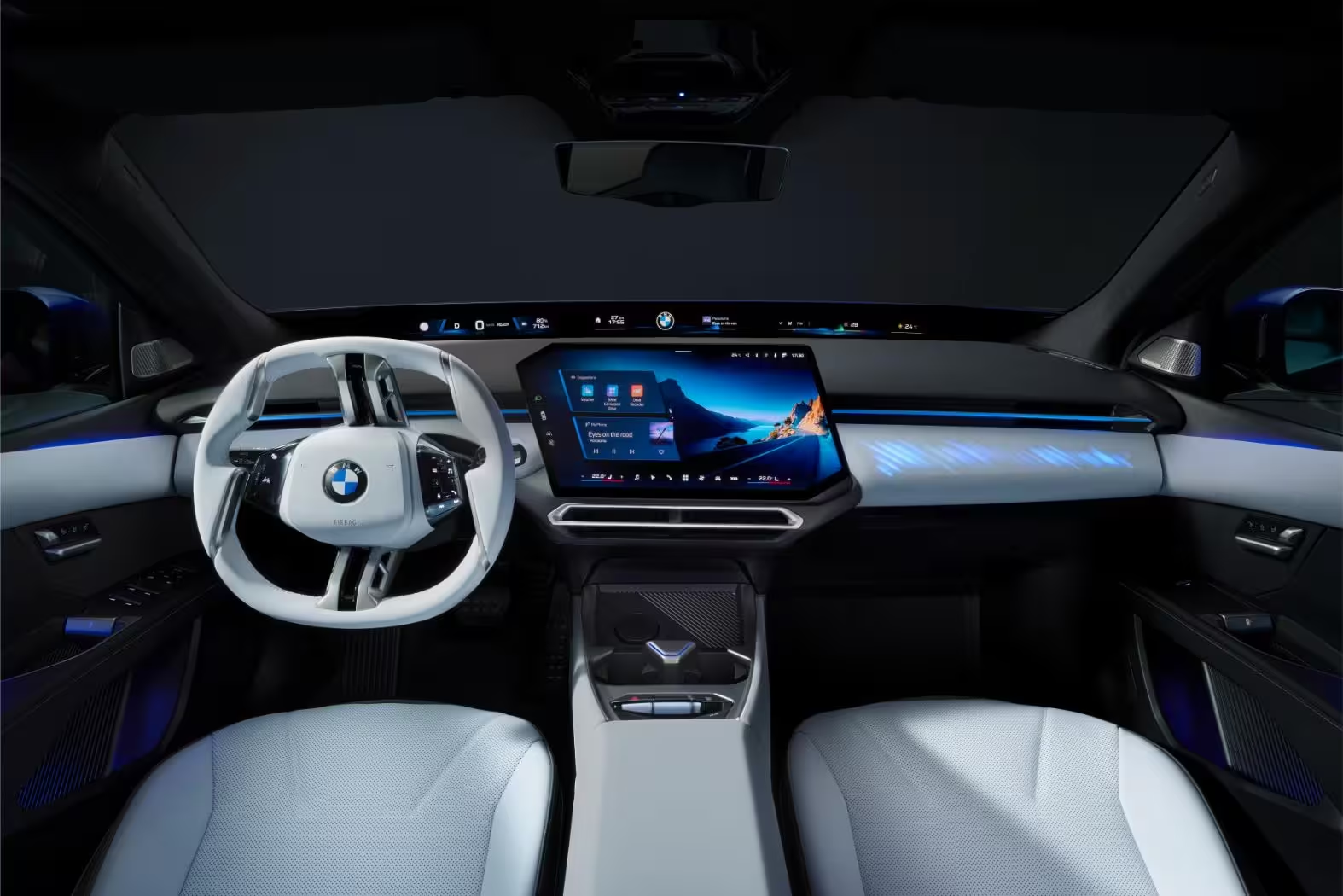
Mercedes lists comfort and luxury items such as optional air suspension, seat ventilation, a panoramic roof with electrochromatic darkening and Digital Light headlights with 35,000 individual LEDs per side.
The Mercedes C-Class electric delivers higher peak power and quicker acceleration; the BMW i3 Neue Klasse delivers longer WLTP range and faster DC charging.
Both cars ride on dedicated electric platforms rather than being direct conversions of their combustion counterparts and represent flagship compact executive EVs for their manufacturers.


Leave a Comment
Comments
No comments yet. Be the first.