

Amazon surpassed one million active warehouse robots, increasing workloads and safety risks for its more than 1.5 million full- and part-time workers.
The fleet includes mechanical arms, carrying robots and large sortation systems that now operate alongside the company's human workforce.
Acceleration of delivery and reduction of operating costs are the main motives behind the automation expansion.
Experts warn that the physical presence of robots beside workers creates direct safety risks despite the economic gains.
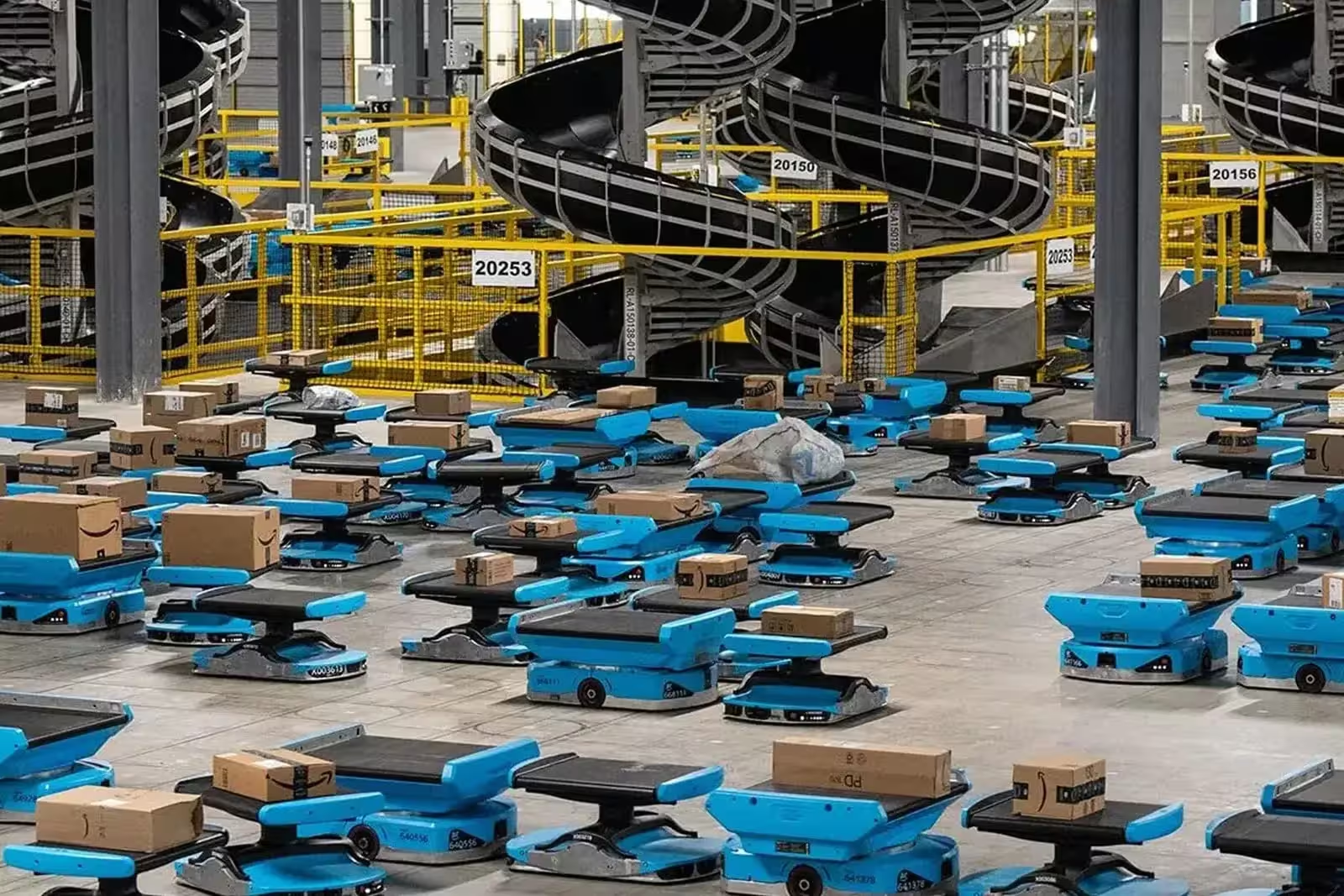
Brad Greenwood, professor of business at George Mason University, said, "Over the past 100 years, much of the automation we have seen usually occurred away from workers. In the past, dangerous tasks were removed from the worker and carried out without physical proximity."
He added, "The growth of Amazon's robot fleet really changes that dynamic for two reasons: one because of physical proximity and second because the robot has the ability to determine the pace of work."
Labor activists say the broad deployment of robotics serves Amazon's public image and can obscure workplace injury statistics.
Joan Moriarty, director of strategic research at the Coalition of Labor Unions, said, "Amazon prefers to talk about its latest robots because it does not want to name the tens of thousands of injured workers who each year fall victim to an excessive obsession with increasing speed and reducing costs."


Leave a Comment
Comments
No comments yet. Be the first.