
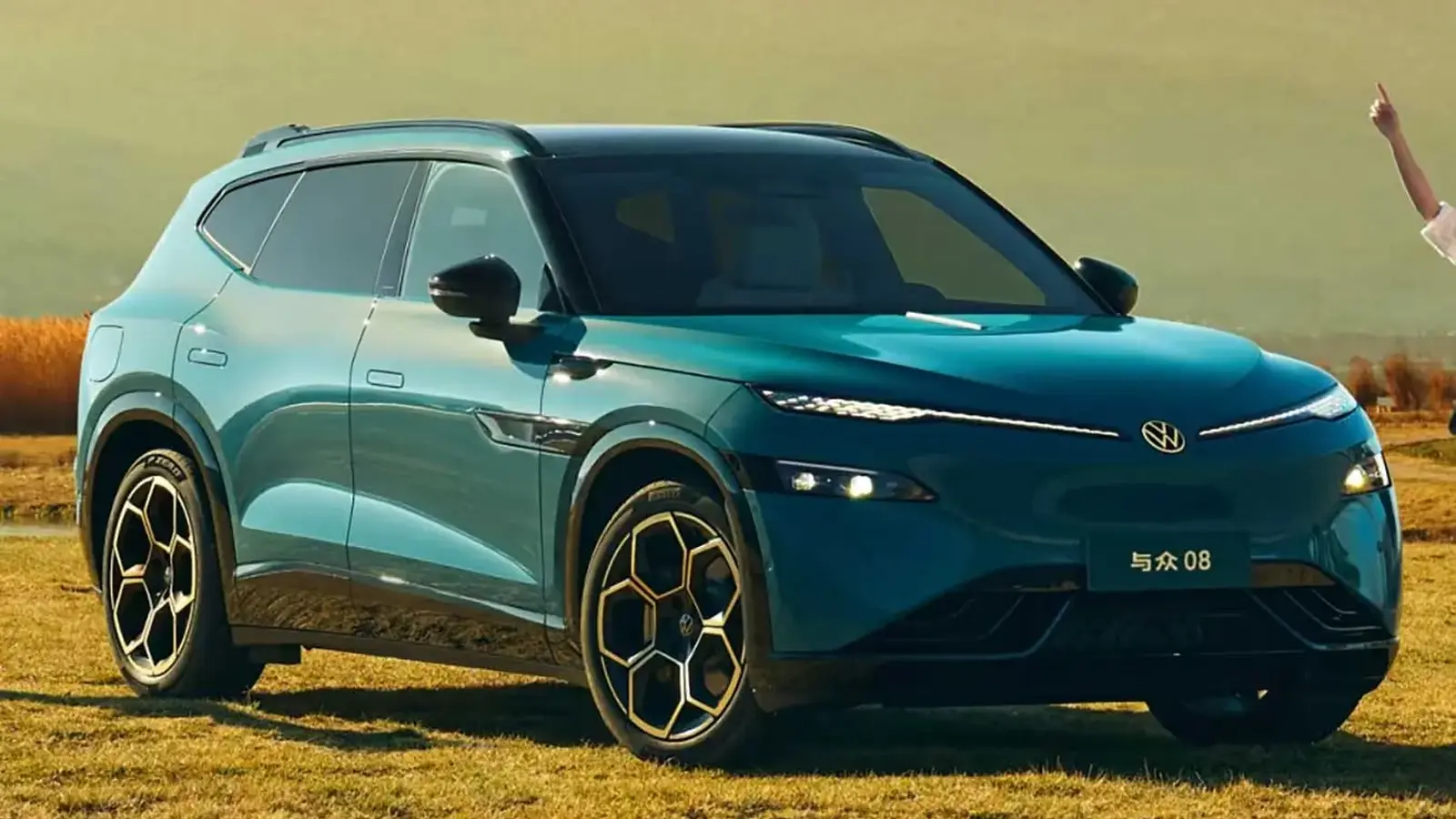
Volkswagen is facing a sharp reversal in China as falling profits and weak demand for the locally developed ID Yunix 08 SUV undermine its position in the world’s largest auto market. The German group’s bet on a China-first product and a technical tie-up with Xpeng has so far failed to revive sales.
Volkswagen invested 700 million dollars to acquire a 4.99 percent stake in Xpeng more than three years ago and used the partnership to develop a shared electrical and electronic architecture underpinning the ID Yunix 08 and ID Yunix 09. The idea was simple: design and build for local tastes inside China to hold on to market power. The market has not obliged.
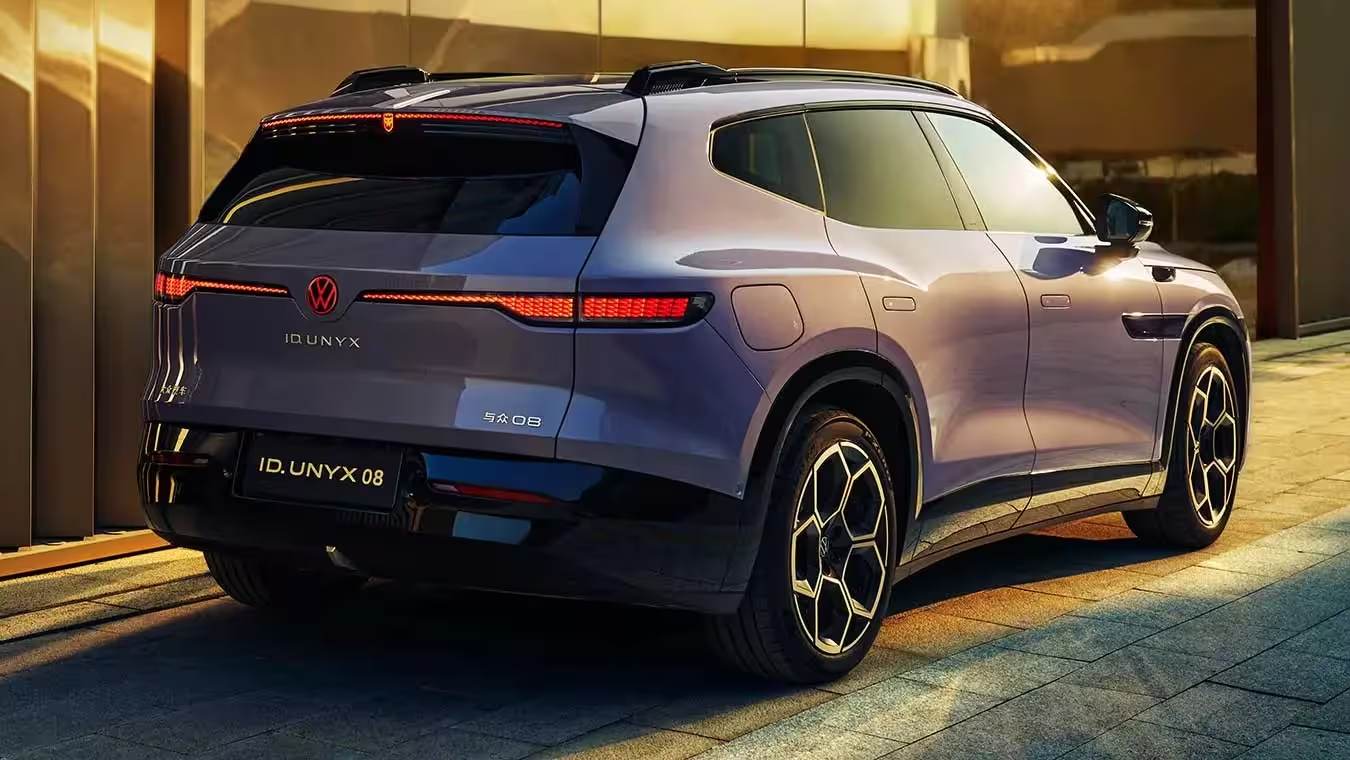
Reuters reported that average monthly sales of the ID Yunix 08 from April through August were just 267 units, a fraction of Volkswagen’s earlier monthly target of 3,622. Volkswagen had initially planned to sell 32,600 units of the model in 2026 and more than 120,000 units annually thereafter, but early mismatches with buyers forced the company to cut the 2026 target to 12,300 and set a 2027 target of 64,000—levels that now look difficult to reach.
Buyers have not embraced the ID Yunix 08 despite its distinct design and a modern cabin with wide displays. Competitors such as Xiaomi YU7 are perceived as stronger rivals on value and appeal, and the Yunix 08 also lags competitors like ZEEKR 7X on charging speed. Strategic errors compounded the product shortcomings: Volkswagen has limited sales of the model to 166 Volkswagen Anhui dealers rather than offering it across the larger networks of its local partners FAW and SAIC, which together account for more than 3,000 outlets.
Plans and hurdles
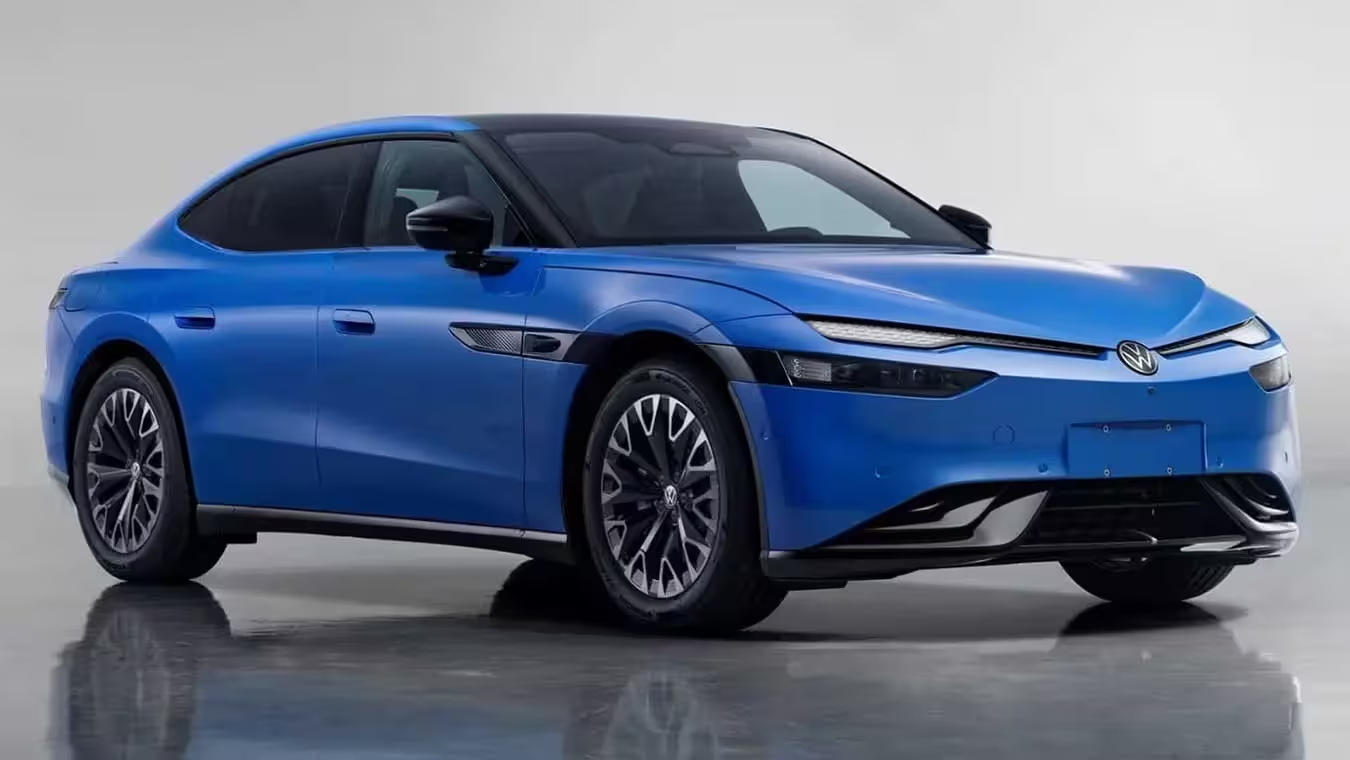
Volkswagen has not given up. The company is launching a sedan, the ID Yunix 09, and is targeting monthly sales of 4,900 units and an annual run rate of 90,000 units by 2034. The Yunix 09 will be offered with 82 kWh and 95 kWh battery options and is rated at up to 496 horsepower. It will face a crowded field that includes the Tesla Model 3 and Xiaomi SU7.
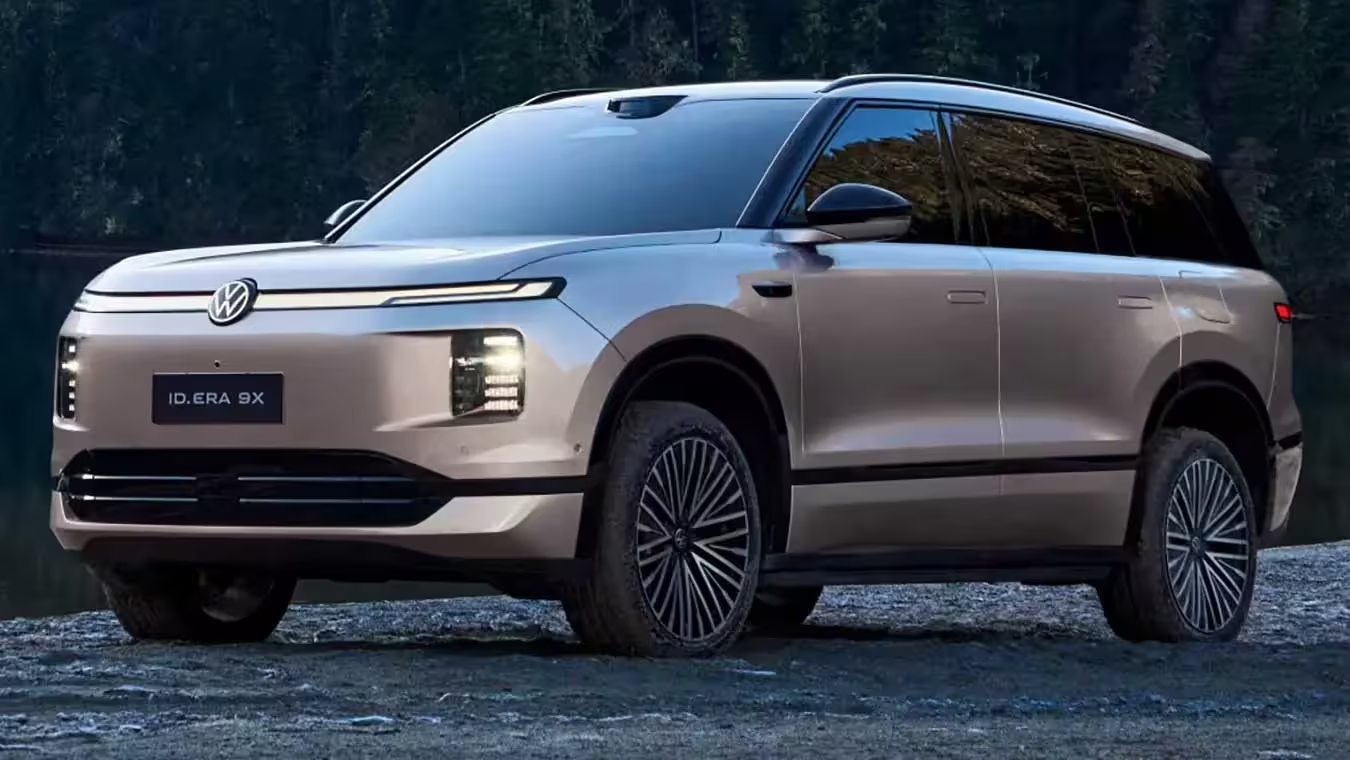
The automaker is also exploring ways to make up for weak domestic demand, including exporting some China-built models to Europe, such as the ID Era 9X produced in cooperation with SAIC. That route faces a major obstacle: steep European Union import tariffs on cars built in China. Reuters noted that the only realistic way to avoid those tariffs would be to move production to factories inside Germany, a step that would require complex and intensive negotiations with the country’s powerful labor union.


Leave a Comment
Comments
No comments yet. Be the first.