
Moscow Exchange sets December 1 debut for spot crypto trading
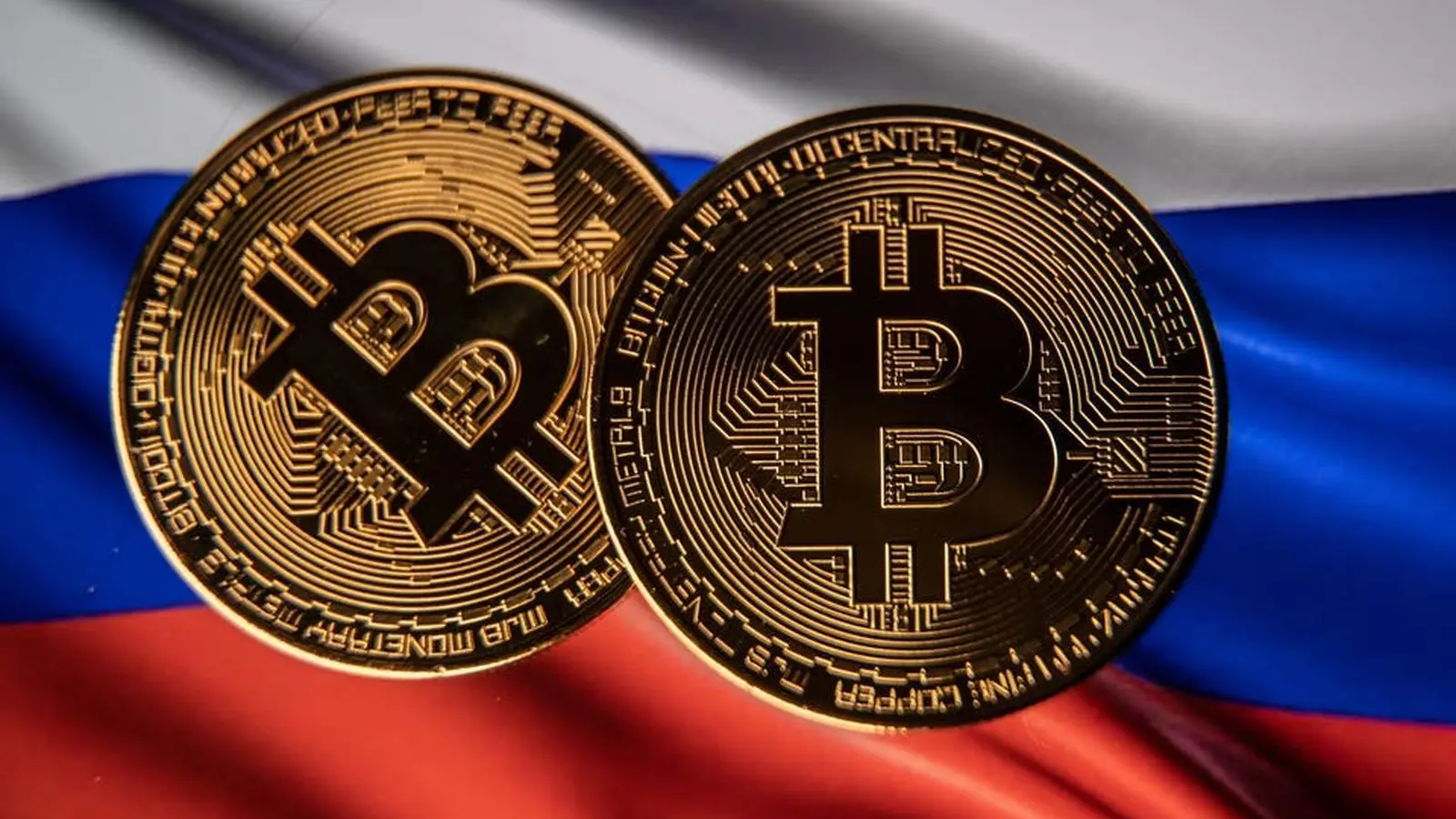
Moscow Exchange has confirmed it will open spot trading in Bitcoin (BTC), Ethereum (ETH) and Tether USDt (USDT) on December 1, 2026. The move marks a major step in Russia's rollout of a regulated cryptocurrency market, using the exchange's existing securities infrastructure to connect brokers, custodians and professional and retail investors.
Trading timetable and market mechanics
The exchange plans to operate crypto trading on the same extended schedule as its longest securities session, from 6:50 a.m. until 11:50 p.m. Moscow time. Investors will place buy and sell orders through an electronic order book where competing bids and offers determine execution prices, mirroring traditional stock market operations. Moscow Exchange also intends to provide swap transactions to manage liquidity, a mechanism comparable to repo and currency-swap tools used in conventional markets.
Phased rollout: professional testing then retail access
Moscow Exchange will initially pilot the platform with professional market participants already connected to its systems. Senior managing director Boris Blokhin said several firms are conducting transactions in a testing environment and additional participants will be onboarded as their systems are validated. After the pilot, the exchange will permit access to retail investors in line with the new regulatory framework.
Regulatory context and investor eligibility
New Russian crypto legislation that came into force on September 1, 2026, defines trading, custody and market access rules for digital assets. Under this framework, intermediaries licensed to operate on the domestic market can offer approved cryptocurrencies to both qualified and nonqualified investors, but with distinct limitations.
Nonqualified retail investors must pass a mandatory knowledge assessment before they can buy approved tokens. Additionally, nonqualified investors face an annual purchase cap of 300,000 rubles per intermediary, a restriction designed to limit retail exposure to volatile digital-asset markets. Qualified investors, after meeting testing requirements, do not face the same annual ceiling.
Authorities chose Bitcoin, Ethereum and USDT for retail availability after assessing their liquidity, trading history and market capitalization. Russia continues to prohibit routine domestic payments in cryptocurrencies, though specific cross-border uses are permitted under separate provisions.
Custody and infrastructure: digital depositories take custody
While Moscow Exchange will act as the trading venue, independent digital depositories will be responsible for safekeeping and accounting of customer cryptocurrencies. This separation of trading and custody aligns with global best practices for regulated markets and follows the recent registration of Russia’s first crypto exchange operators and digital custodians.
Several financial institutions with ties to major Russian banks, including Sberbank and VTB, and technology providers are among early participants establishing digital depository services. Brokers will continue to provide client access to the trading platform, while depositories maintain records of underlying digital-asset holdings and perform custody functions.
Product design and liquidity tools
Moscow Exchange plans to run crypto trading through the same back-end systems used for securities. According to exchange officials, reusing existing infrastructure should limit additional costs for brokers and professional firms. The exchange also plans to offer swap transactions to help manage liquidity and facilitate market making, adding depth to the new spot market.
Using an electronic order book and liquidity-enhancing instruments is intended to deliver transparent price discovery and tighter spreads for BTC, ETH and USDT pairs. For brokers and institutional participants, these mechanisms emulate the familiar workflows used in equities and FX markets, reducing operational friction when connecting crypto trading to existing workflows.
Testing and market readiness
Testing began in early October and, per the exchange, participants are already executing trades in the test environment. Blokhin said the number of firms involved is sufficient to support a pilot launch and that the exchange will continue collecting feedback from brokers during the remaining testing period.
The phased approach — testing with professional traders before opening more broadly — aims to ensure order routing, custody accounting and settlement procedures operate correctly under real trading conditions.
How this fits into Moscow Exchange's crypto strategy

December's planned launch for spot trading will expand the exchange's crypto offerings beyond the derivatives it already lists. In September, Moscow Exchange rolled out five perpetual futures linked to crypto indexes for Bitcoin, Ethereum, Solana, XRP and Tron. Those products give qualified investors price exposure without delivery of the underlying assets and have recorded significant volumes, reportedly more than 600 billion rubles in cumulative turnover and over 72,000 qualified investor trades.
By adding direct cryptocurrency transactions, Moscow Exchange is positioning itself as a central venue for both derivatives and spot exposure in Russia's regulated crypto ecosystem. The exchange has said it expects demand to grow, pointing to the exit of several foreign platforms from the Russian market and sustained local interest in crypto-related instruments.
Competition and ecosystem development
Other major domestic players are also preparing services tied to the December timeline. For example, Sberbank has announced plans for its own trading, custody and settlement capabilities aimed at eligible customers. This activity signals a broader push by incumbent financial institutions to capture flows that previously went to overseas venues.
Market participants and regulators will watch several metrics closely after launch: liquidity in BTC/USDT and ETH/USDT pairs, retail uptake within the annual purchase limits, and how digital depositories execute custody and settlement responsibilities.
Implications for investors and market participants
For retail crypto investors in Russia, the platform will offer a regulated onshore venue to acquire widely traded digital assets, albeit subject to eligibility testing and purchase limits for nonqualified accounts. For qualified investors and professional traders, the new spot market will provide an on-ramp for direct exposure to Bitcoin and Ethereum alongside stablecoin liquidity via USDT.
Institutional participants will benefit from integrated custody arrangements and the ability to manage liquidity using swap tools the exchange plans to support. For brokers and trading firms, leveraging existing securities infrastructure should cut integration costs and speed time to market.
Conclusion
Moscow Exchange’s decision to introduce BTC, ETH and USDT trading on December 1 leverages its established trading architecture to deliver a regulated spot market for cryptocurrencies. With digital depositories handling custody and brokers providing client access, the model reflects international market structure trends while conforming to Russia’s new rulebook for digital assets. As testing continues through November, liquidity, investor participation and operational resilience will determine how quickly the venue becomes a core destination for crypto trading in the region.

Leave a Comment
Comments (1)
Is this even real? Regulated spot trading sounds neat, but liquidity and custody trust.. who vets those digital depositories? hmm