
OneKey founder alerts crypto users to hardware risks
OneKey founder Yishi Wang has issued a high-profile warning for cryptocurrency holders: storing seed phrases or wallet backups on older iPhones may carry permanent, hardware-level risks. According to Wang, certain iPhone models released before 2020 include BootROM vulnerabilities that cannot be patched by standard iOS updates. The implications are important for anyone using an old smartphone as an offline or cold wallet to protect private keys and recovery phrases.
What makes these iPhones unsafe for crypto storage
The BootROM is the very first code a device runs when it boots. Because BootROM code is burned into the device processor, Apple cannot overwrite it with future software updates. Two publicly documented BootROM exploits are at the center of the concern.
checkm8: the long-standing exploit
checkm8, disclosed in 2019, affects a range of older Apple devices from the iPhone 4S through the iPhone X. That exploit showed how attackers with physical access can manipulate device startup sequences, creating a pathway to run unauthorized code before iOS loads.
usbliter8: a more recent threat
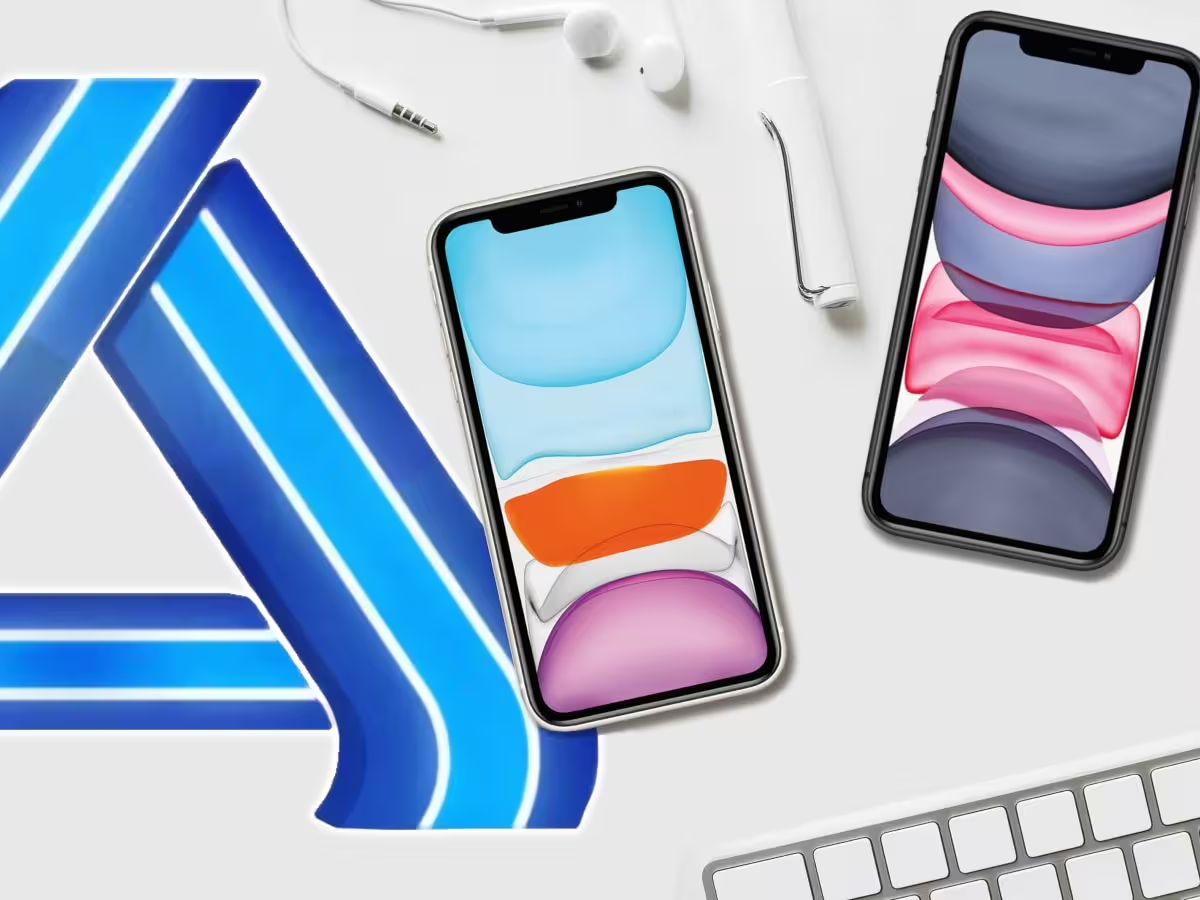
Disclosed in June 2026, usbliter8 targets Apple processors based on the A12 and A13 chips, which include the iPhone XS, XR, iPhone 11 lineup and the second-generation iPhone SE. Researchers showed that by placing a vulnerable phone into Device Firmware Update (DFU) mode and connecting specialized equipment over USB, an attacker can inject code during boot. Crucially, these attacks do not require internet access, so actions like enabling airplane mode do not stop the exploit.
How realistic is the attack on crypto wallets?
Wang emphasized the important distinction between the existence of an exploit and an automatic compromise of wallets. Successful exploitation requires physical access to the device and advanced tooling. In many cases, additional protections such as device passcodes, file-level encryption and Apple’s Secure Enclave raise the bar for attackers.
Physical access and the role of passcodes
An attacker must often overcome passcode protections to access wallet apps or encrypted wallet files. Long alphanumeric passcodes are far more resistant to brute-force and forensic bypass methods than short numeric codes. Some forensic toolchains can attempt to circumvent lockout mechanisms on older devices or exploit hardware flaws that accelerate guessing attempts, which makes weak passcodes a clear risk factor.
Wallet apps and encrypted backups
A compromised device that exposes an encrypted wallet file may still be protected if the wallet uses a strong, unique application password. But if the wallet password is weak or derived from simple information, offline attacks against the extracted encrypted file become feasible. Wang singled out this chained weakness: a hardware-level BootROM exploit plus weak application security can enable seed phrase exposure.
Attack vectors beyond direct exploitation
Wang highlighted the threat of subtle physical tampering, commonly called an evil maid attack. Devices left unattended in hotels, handed to third parties for charging or briefly borrowed can be altered in ways that may not be obvious on return. Separate incidents involving tampered hardware wallets recently reported in Singapore, where modified devices reportedly captured seeds during setup, underline how physical compromise can be devastating for crypto holders.

Recent jailbreak demonstrations and contextual threats
Public jailbreak demonstrations for newer iPhone models have renewed scrutiny of device security. At a recent security conference, researchers demonstrated techniques that bypassed Apple protections to gain elevated privileges on the latest iPhones. While some of these attacks target software layers that Apple can patch through updates, they reinforce that attackers continuously probe both software and hardware boundaries.
Another related technique called choicejacking, disclosed in 2025, allowed malicious USB accessories to impersonate user input and potentially grant access to data. Apple addressed aspects of that vector in iOS 18.4, but the broader lesson is clear: USB-connected accessories and unknown chargers can be a risk for crypto users who rely on phones as key storage.
Practical advice for crypto holders
OneKey recommends that anyone who has stored recovery phrases on vulnerable iPhones should assume the worst and migrate to new wallets generated in a trusted environment. Generating fresh recovery phrases and transferring funds to wallets controlled by those new seeds is safer than reusing a possibly exposed phrase. Simply creating a new address from a potentially compromised recovery phrase does not eliminate the exposure.
Immediate actions
- Generate new wallets and transfer funds if your recovery phrase was stored on an affected device.
- Never keep seed phrases in plain text on a phone, cloud backup or email. Use hardware wallets or dedicated air-gapped devices for long-term cold storage.
- Upgrade to iPhone 12 or newer models when using iPhones for key management; these models are not known to be affected by checkm8 or usbliter8.
Hardening your device
- Use long alphanumeric passcodes and avoid simple numeric PINs.
- Keep device software up to date and install security patches promptly.
- Avoid connecting your device to unfamiliar USB chargers or accessories, and use trusted cables and power sources.
- Consider Apple Lockdown Mode for users concerned about targeted attacks; it narrows attack surfaces by restricting certain connections and behaviors.
Long-term best practices for crypto security
For reliable private key protection, hardware wallets remain the recommended option for most users. Reputable hardware wallets isolate the seed phrase generation and signing process from general-purpose operating systems, reducing the attack surface. If using a smartphone as an offline or cold wallet, treat that device like a dedicated security appliance: wipe it thoroughly, limit installed apps, disable network interfaces when not needed, and never reuse a device that has been outside your control without regenerating recovery phrases.
Conclusion
Wang's warning underscores a recurring reality in crypto security: layered defenses matter. Hardware vulnerabilities like BootROM exploits are persistent and cannot be patched by software updates. That reality, combined with weak passcodes, insecure wallet apps or physical tampering, can expose seed phrases and put funds at risk. Crypto users should evaluate whether older iPhones remain appropriate for key storage, follow migration guidance when exposure is possible, and prioritize hardware wallets or newer devices with active security support.
Staying informed about vulnerabilities such as checkm8 and usbliter8, and applying defensive measures, reduces the chance of catastrophic loss from seed phrase compromise. When in doubt, assume a device may be compromised and take the conservative step of moving assets to a securely generated recovery phrase in a trusted, air-gapped environment or hardware wallet.

Leave a Comment
Comments (1)
Wow this is scary, didnt realize old iPhones could leak seeds. Gonna wipe my spare and move funds. Might be time for a hardware wallet.