

Edi Othmani, an engineer at Anthropic, warned in a public note that handing too much mental work to artificial intelligence can lead to a gradual erosion of critical thinking skills. He says the danger is not the tools themselves but the human tendency to accept AI outputs without scrutiny.
Othmani writes that widespread use of AI agents has already reshaped his programming workflow, routing much of his daily work through these tools and leaving fewer opportunities for independent problem solving. "Skills you stop practicing will wither, and probably faster than you think," he wrote.
Cognitive debt and coding
Othmani does not oppose using AI agents on coding projects. His concern is that, while these tools can be helpful, developers must keep exercising judgment and not treat generated outputs as final. He emphasizes that ultimate responsibility remains with people. "Regardless of how much AI helped, a human should take responsibility for the work."
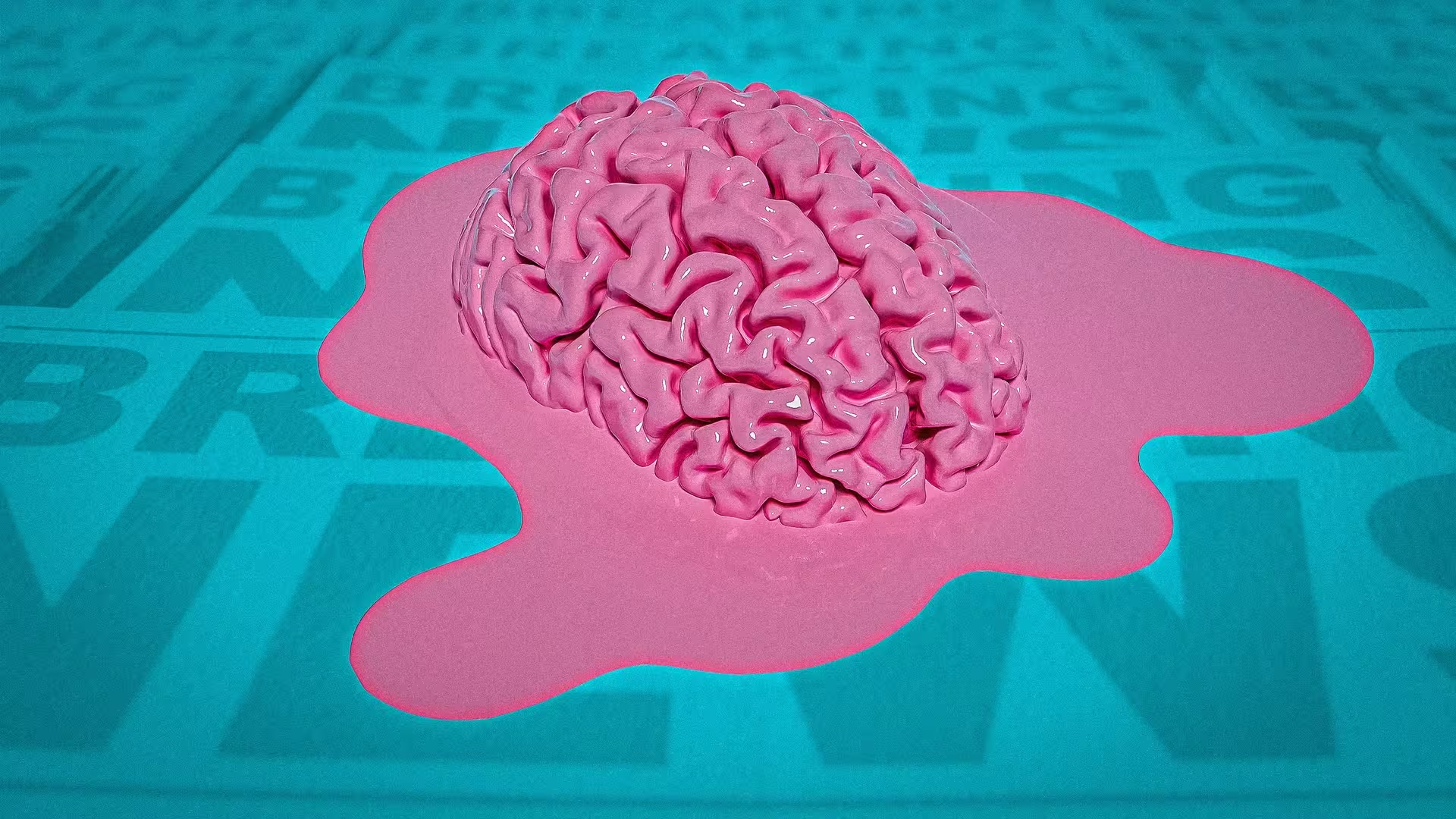
He describes the process as a form of cognitive debt, a gradual drift away from careful review. "You read the previous answer carefully, so you skim the next one faster. You only check the next answer by its overall structure. Then someone asks you about a line of code and you cannot even explain it, even with the help of your own AI agent... Cognitive debt accumulates in this way," he wrote.
Practical guardrails
To avoid that accumulation, Othmani recommends several concrete practices: keep exercising core skills, form and shape ideas before asking AI for help, pay close attention to generated content, and make sure you understand the decisions those tools have made. He frames the choice as deliberate: some human abilities may fade as AI progresses, but people should consciously decide which skills to let go of rather than losing them by default.


Leave a Comment
Comments
No comments yet. Be the first.