
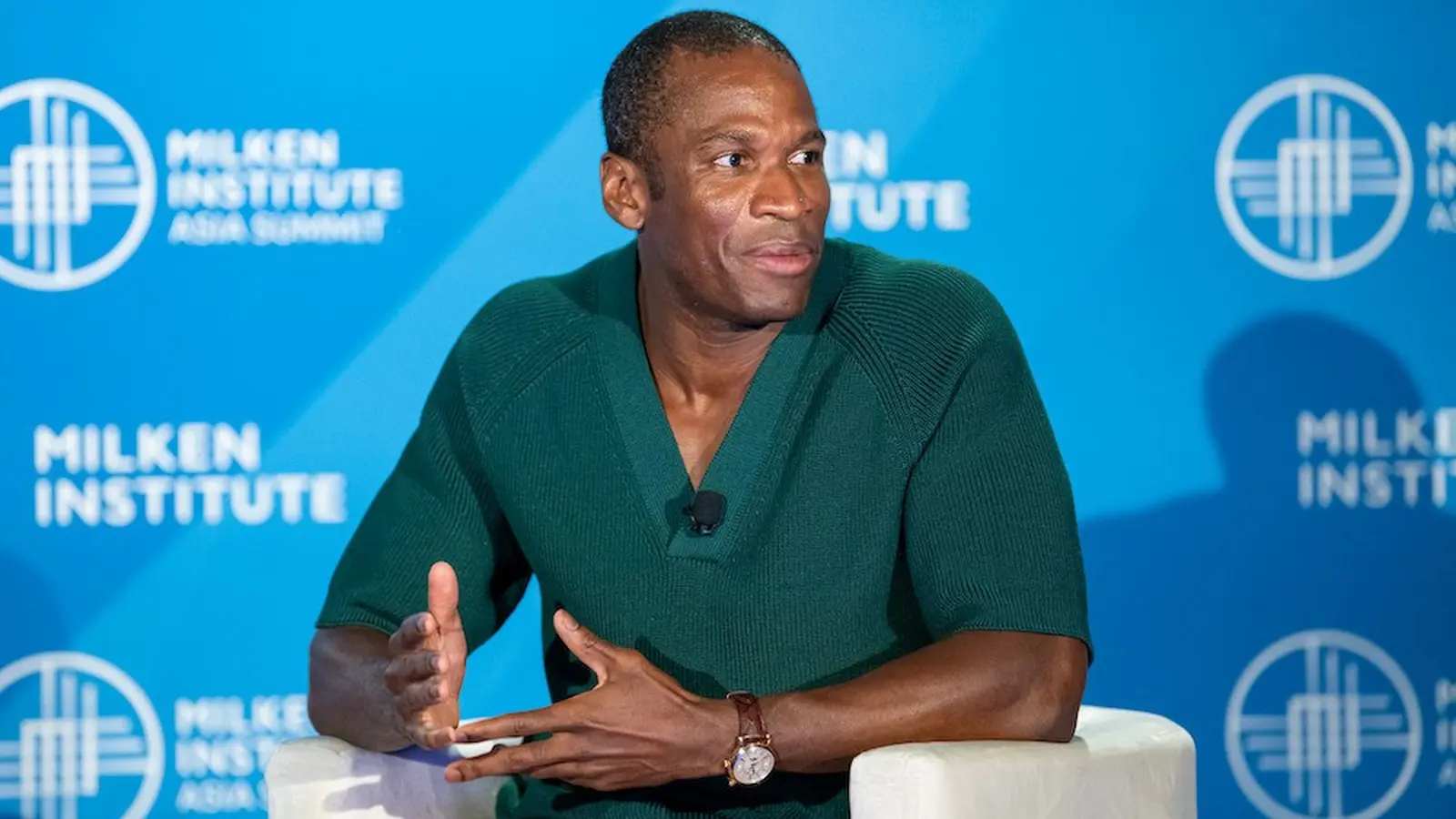
Arthur Hayes links AI stress to a potential crypto bull run
Arthur Hayes, former BitMEX CEO and current Maelstrom chief investment officer, has laid out a scenario in which stress in the AI financing market could trigger policy intervention and fresh liquidity that ultimately fuels a major crypto rally. Hayes pointed to widening credit default swap costs and strained bond markets among cloud and AI infrastructure providers as early warning signs. He argues that if authorities provide an AI bailout or other forms of monetary support, increased fiat liquidity could lift Bitcoin and broader crypto markets into what he calls a 'ridiculously amazing crypto bull market.'
Rising credit risk among cloud providers
Credit default swaps and bond yields signal stress
Hayes drew attention to a notable spike in credit default swap (CDS) spreads for major cloud and AI service providers. A CDS is a contract that compensates the holder if a borrower defaults, and rising CDS costs mean investors demand higher compensation for perceived credit risk. Reuters reported five-year CDS spreads for Oracle, Alphabet, SpaceX and CoreWeave hitting record highs over a two-session window, a development Hayes argues reflects mounting market anxiety.
Pressure also showed up in the bond market. CoreWeave’s 2030 bonds dropped to record lows, while yields on its 2031 notes neared 18 percent. Because bond yields move inversely to prices, those levels indicate investors require much higher returns to hold this debt. Hayes says this widening of credit spreads for cloud providers is significant because many AI workloads depend on these companies for compute power and financing arrangements.
Off-balance-sheet financing and margin exposure
Analysts have flagged the role of complex financing structures. Reuters noted Nvidia had financed some customers — a move equity investors initially saw as growth — and that such arrangements have attracted scrutiny from debt investors. Credit market participants remain concerned about financing commitments that may sit off company balance sheets. Hayes warns that if these financing channels freeze up, liquidity stress could reverberate across markets and push borrowing costs higher for technology firms and their lenders.

Nvidia’s leadership reversal and Bitcoin price volatility
How Jensen Huang’s reinstatement moved markets
Nvidia’s board announced a unanimous vote to reinstate Jensen Huang as president, CEO and director after receiving input from senior U.S. officials. Hayes interpreted Washington’s involvement — including signals from President Donald Trump used in public commentary — as evidence that policymakers would intervene if the AI sector faced acute distress. The announcement briefly bolstered risk appetite across markets.
The Nvidia news coincided with a short-lived Bitcoin surge above $64,000, but the cryptocurrency fell below $60,000 during the next Asian session. CoinGlass data recorded sizeable liquidations in the 24-hour window surrounding the price swing: roughly $201 million in short liquidations and about $147 million in long liquidations. The episode underscores how macro and single-stock headlines can create abrupt swings in spot Bitcoin price, futures, and ETF flows.
Spot Bitcoin ETFs and net outflows

Despite the intraday bounce, U.S. spot Bitcoin funds saw net withdrawals. SoSoValue reported net ETF outflows of $569.74 million on the session following the Nvidia news, adding to nearly $1.8 billion in redemptions the prior week. Grayscale and other managers highlighted weak futures positioning and heightened demand for downside protection via options as factors amplifying the short-term volatility in Bitcoin price.
Hayes’s policy pathway from AI stress to crypto liquidity
Why a bailout could translate to higher crypto prices
Hayes has argued that a large enough selloff in AI-related assets could give policymakers the political cover to expand liquidity — even amid inflationary concerns. He has floated the idea that frontier AI developers could become systemically important, akin to public utilities, prompting fiscal or monetary backstops to keep compute and model operations running. If central banks and governments respond with measures that increase the supply of fiat money, Hayes says Bitcoin would likely appreciate in dollar terms.
Hayes sketched another, more circuitous route in a November essay: significant AI listings producing tradable shares could flood markets with supply that investors struggle to absorb. Falling equity prices could push borrowing costs up, tighten credit conditions, and make banks more cautious about lending to margin traders. That credit squeeze could feed through to markets before any policy easing arrives, depressing asset prices until authorities step in with liquidity support.
Short-term token calls and risk management
Hayes’s token targets and conviction level
Hayes has not limited his commentary to macro dynamics. On November 17, he named four tokens he believed could rally ahead of any AI-driven downturn: Ether with a target of $2,800, Zcash at $1,800, NEAR at $6, and Venice Token at $40. He emphasized that these were small-to-medium sized positions given his limited conviction, signaling a cautious approach even as he outlines a bullish macro thesis for crypto if monetary policy shifts.
Implications for traders and institutional investors
Hayes’s scenario highlights the interconnectedness of credit markets, AI financing, and crypto liquidity. For traders, the lesson is that headline-driven volatility — such as a sudden corporate governance reversal at a major AI chipmaker — can quickly cascade into digital asset markets via forced liquidations and ETF flows. For institutional investors, the evolving credit picture in cloud and AI infrastructure firms suggests a need for closer monitoring of CDS spreads, bond yields, and lenders' exposure to AI financing arrangements.
If policymakers do intervene, fresh liquidity and looser monetary conditions would likely favor risk assets, including Bitcoin, Ethereum and select tokens. However, the timing and scale of any intervention remain uncertain, and Hayes cautions that an intermediate period of tighter credit could precede any policy response.
Takeaway
Arthur Hayes presents a clear but conditional thesis: stress in AI debt markets could be a catalyst for broader monetary support, and that infusion of liquidity might power a significant crypto bull run. Investors should watch credit default swaps, bond yields among cloud providers, Nvidia governance developments, and spot Bitcoin ETF flows to gauge the trajectory. As always, traders and long-term holders should balance opportunistic positioning with disciplined risk management, because the path from AI stress to a renewed crypto bull market is neither linear nor guaranteed.


Leave a Comment
Comments (1)
Is this for real? A bailout = crypto moon? feels like a causal jump. CDS spikes are real tho, off balance sheet stuff worries me. if that freezes, who holds the bag?