

3 Minutes
OpenAI expands secondary offering amid valuation debate
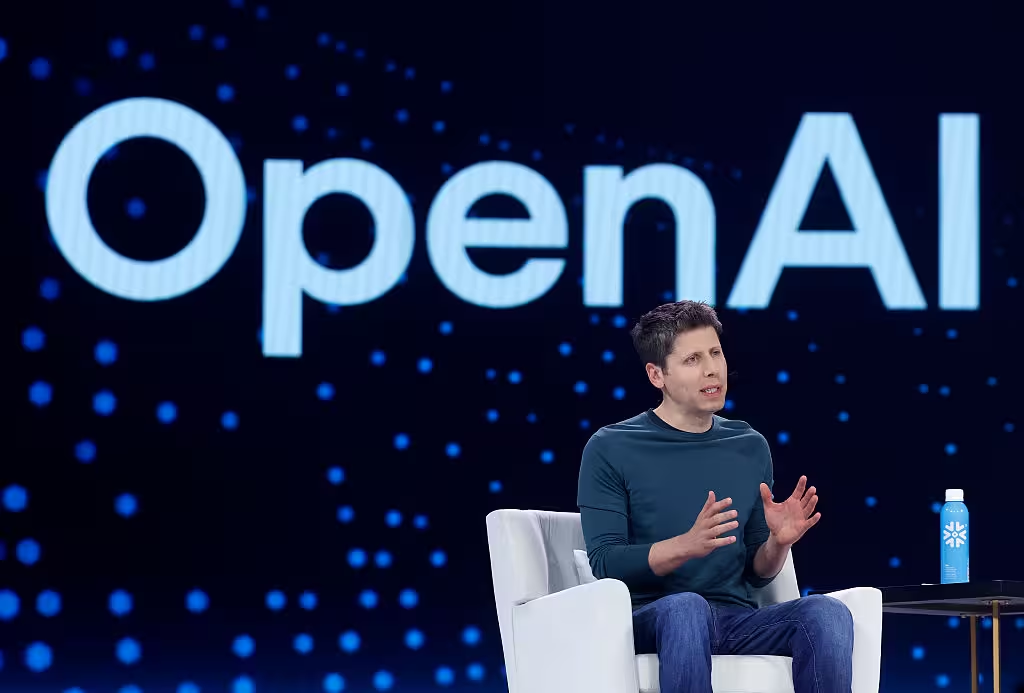
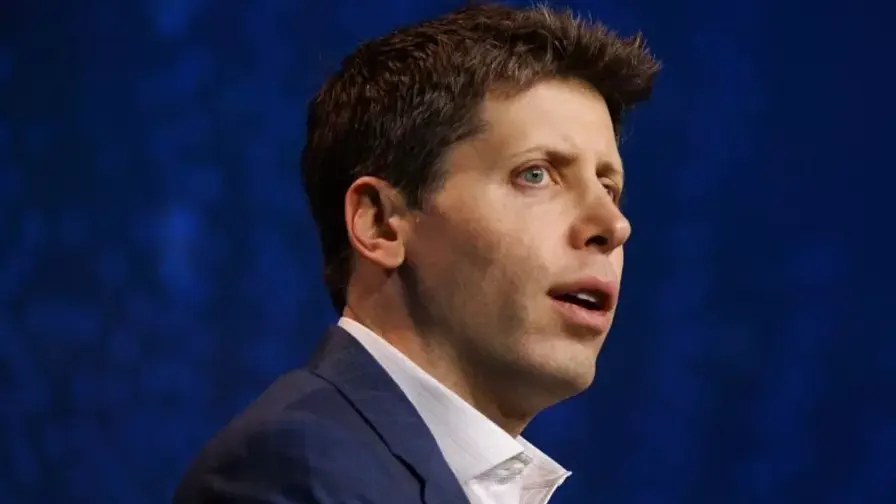
OpenAI has reportedly enlarged a planned secondary share sale to roughly $10.4 billion, up from an earlier $6 billion figure, according to people familiar with the matter. The move — which would let institutional backers and long-tenured employees cash out — comes as debates over AI valuations and profitability intensify. CEO Sam Altman's recent remarks warning that the AI sector could be in a bubble add a layer of caution to a market otherwise riding high on expectations for generative AI and large language models.
Deal structure, buyers, and employee liquidity
Who can buy and who can sell
Sources say the secondary offering has been expanded by about $4 billion to reach the new $10.4 billion target. The enlarged sale would allow investment firms such as SoftBank, T. Rowe Price and Abu Dhabi’s MGX to acquire shares. It would also permit employees who have held shares for more than two years to sell, introducing controlled liquidity for staff within OpenAI's unique ownership structure.
Valuation gap and market standing
Reports indicate OpenAI is marketing the shares at a $500 billion implied valuation, a substantial premium to the roughly $300 billion price set in its most recent funding round. That disparity highlights how market expectations around AI can evolve quickly — and why some observers caution about overheated valuations. Crunchbase currently lists OpenAI among the top unicorns by valuation, trailing only companies like SpaceX, which has been valued at about $400 billion.
Product performance: GPT-5 and feature roadmap
OpenAI’s product suite — including its API, ChatGPT, and multimodal models — remains central to enterprise AI adoption. However, the rollout of GPT-5 reportedly failed to meet some user expectations, prompting questions about the firm’s near-term ability to scale new capabilities and drive profitable commercial products. Product features such as multimodal understanding, fine-tuning, real-time API performance, and safety guardrails remain core selling points, but adoption depends on demonstrable ROI for businesses.
Comparisons with other AI players
NVIDIA’s stock and GPU demand have been a proxy for AI investment; hardware makers and cloud providers benefit directly from the computational needs of LLMs. OpenAI’s situation is different: its value is tied to model performance, distribution, and monetization of services. While NVIDIA’s growth is driven by hardware sales, OpenAI must convert model capabilities into sustainable enterprise revenue and licensing deals.
Advantages, use cases, and risks
Advantages of OpenAI’s technology include rapid prototyping for natural language tasks, code generation, customer support automation, and data analysis. Use cases span healthcare, finance, and developer tooling, where cost savings and productivity gains are measurable. The risks are clear: high expectations, uncertain path to profitability for many AI startups, and the potential for an investment bubble if speculative capital outpaces commercial returns.
Market relevance and what's next
This secondary offering — and the tension between a $300 billion last-round valuation and the reported $500 billion asking price — underscores how investors are still reconciling hype with hard metrics. For corporate buyers and technologists, the key questions remain product maturity, clear monetization pathways, and whether future model iterations will close the gap between promise and performance.
Conclusion
OpenAI’s enlarged secondary sale offers liquidity and signals strong investor interest, but it also highlights broader industry challenges: aligning valuations with revenue, demonstrating product-led growth, and navigating the risk of an "AI bubble" as described by CEO Sam Altman. For tech professionals and investors, the next phase will be defined by which companies can deliver measurable ROI from generative AI at scale.












Leave a Comment
Comments
No comments yet. Be the first.