

Google’s new sideloading policy and what it means
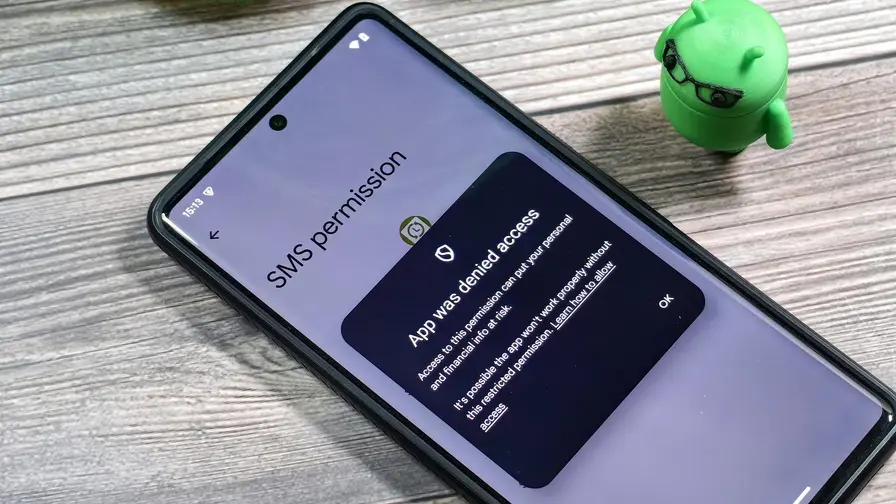
Google’s announcement to tighten sideloading on certified Android devices — requiring developers to verify their identity with Google starting in late 2026 — has stirred debate across the developer and security communities. Under the proposed rules, apps that aren’t verified would be prevented from installing, even when the APK is obtained outside the Play Store. The goal is clear: reduce malware-laden APK distribution and protect less technical users. But enforcement will look different this time.
How enforcement changes: Android Developer Verifier vs Play Protect
What’s new: Google plans to enforce the verification requirement through a system app called Android Developer Verifier rather than relying solely on Play Protect. This signals a shift toward a dedicated verification layer embedded in device firmware. The new approach can offer more centralized control and faster blocking of unverified packages.
Feature comparison
- Play Protect: Background malware scanning and reputation checks across installed apps and Play Store listings.
- Android Developer Verifier: System-level gate that can block APK installation if the developer identity isn’t verified, preventing sideloaded installs on certified devices.
Loophole: ADB keeps sideloading possible
Despite the stricter posture, Android Debug Bridge (ADB) remains a practical bypass. As security analyst Mishaal Rahman noted, Google’s FAQ explicitly mentions ADB — a command-line tool already used by enthusiasts and developers — as a means to install apps. ADB installation requires a physical connection to a PC and a simple command, which preserves a path for advanced users to sideload apps without developer verification.
.avif)
Advantages and disadvantages
Advantages of the new policy include stronger protection against malicious APKs and clearer accountability through developer identity verification. Downsides are reduced convenience for casual sideloading, potential friction for independent developers, and a perceived erosion of Android’s openness compared to iOS.
Use cases and who will be affected
- Developers and independent app creators: May need to complete identity verification to distribute APKs freely on certified devices.
- Power users and testers: Can continue using ADB to sideload apps for development, debugging, or accessing alternative app stores.
- Enterprises and device manufacturers: Might favor the policy for improved security and device compliance.
Market relevance and long-term outlook
The policy is likely to reshape the Android app distribution landscape: third-party app stores, instant apps, and indie developers could face new friction while device security improves for mainstream users. With the rollout slated for late 2026, industry stakeholders have time to weigh in and for Google to clarify enforcement details and exceptions. For now, ADB functions as a safety valve — preserving Android’s experimental and open spirit even as the platform tightens control over sideloaded software.

Leave a Comment
Comments
No comments yet. Be the first.