
3 Minutes
Huawei Mate 80 series to arrive in November with four variants 
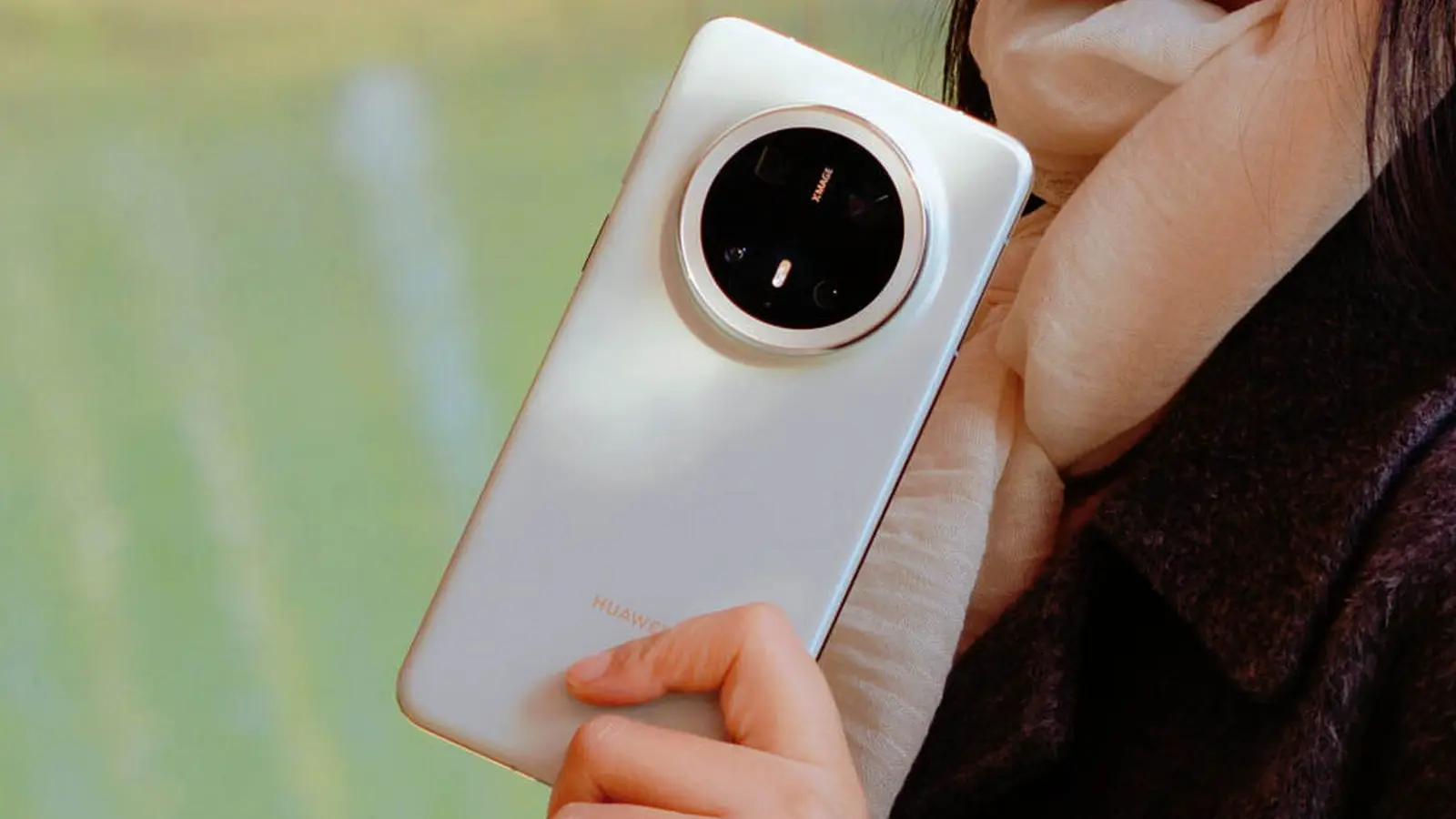
Tipster reports indicate Huawei will unveil its next flagship family, the Mate 80 series, in November. Leaks suggest the range will include four variants and introduce meaningful upgrades in design, imaging, performance, and connectivity—making the lineup a direct rival to Apple’s new iPhone 17 series.
What models and core specs to expect
According to the leak, the family will include four models: Mate 80, Mate 80 Pro, Mate 80 Pro+, and Mate 80 RS. Camera systems will vary across models: the base Mate 80 is tipped to use a 50MP 1/1.5-inch primary sensor, the Pro steps up to a 50MP 1/1.3-inch sensor, while the Pro+ and RS reportedly adopt a larger 50MP 1/1.3-inch SmartSens 590 unit. These camera upgrades emphasize improved low-light performance and higher dynamic range for photography and video.
Display and build
The Pro may feature a 2.5D flat screen with possible 3D face recognition, while Pro+ and RS are rumored to test both deep 2.5D and 4D curved designs. The standout is the Mate 80 RS, said to pack a 6.9-inch dual-layer OLED. This stacked emission-layer architecture promises brighter output, better power efficiency, and longer panel life compared with conventional OLEDs. Huawei is also reportedly experimenting with titanium alloy frames and glass backs finished to resemble ceramic for a premium feel.
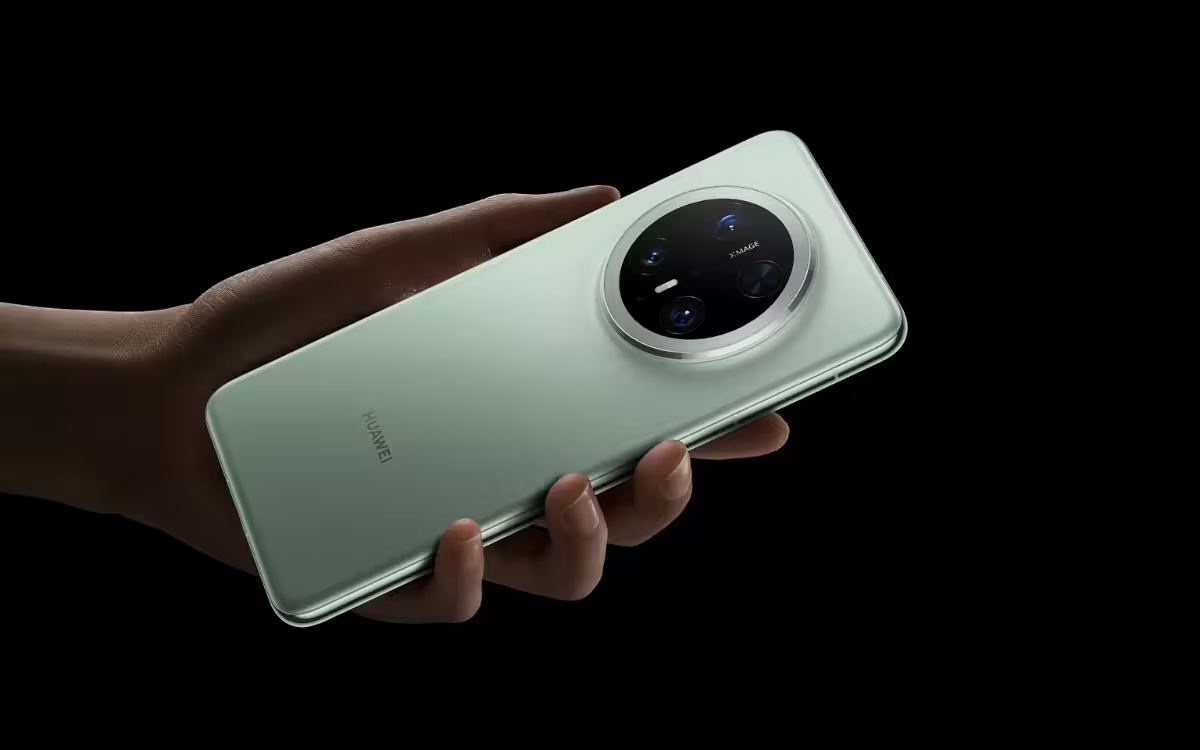
Huawei Mate 70 Pro
Performance, battery and connectivity
Under the hood, the series is expected to debut the new Kirin 9030 chipset, which Huawei claims includes internal design improvements aimed at performance and energy efficiency. Battery capacity could top 6000mAh with support for fast charging—around 100W wired and up to 80W wireless. Connectivity is likely to include 5G and satellite communication capabilities, enhancing global reach and emergency communications.
Software, ecosystem and AI
HarmonyOS will continue to deepen Huawei’s ecosystem advantage with tighter device interconnectivity, expanded on-device AI features, and potential eSIM support. Analysts believe these software and hardware upgrades could help Huawei narrow gaps with Apple in power efficiency, AI services, and communication technology.
Comparisons, advantages and market relevance
Against the iPhone 17 series, the Mate 80 lineup appears to focus on photographic hardware, display innovation and battery/runtime improvements. Key advantages may include the dual-layer OLED on the RS, the SmartSens 590 sensor in higher models, and aggressive fast-charging specs. For markets where Huawei retains strong distribution and services, the Mate 80 series could be a compelling flagship choice for power users, mobile photographers, and consumers who prioritize long battery life and advanced connectivity.
Use cases
- Mobile photography and videography with large sensors and improved low-light capture.
- Heavy daily use and gaming thanks to Kirin 9030 performance and large batteries.
- Frequent travelers benefiting from 5G, satellite comms, and potential eSIM support.
- Users invested in HarmonyOS and Huawei’s device ecosystem for cross-device productivity.
Overall, the Mate 80 series positions Huawei to compete strongly in the premium smartphone segment by combining flagship camera hardware, display innovation, and expanded AI and connectivity features.


.webp "Redmi 17C 5G: 6.9-inch Screen and 6,000mAh Power Lands")
Leave a Comment
Comments
No comments yet. Be the first.