
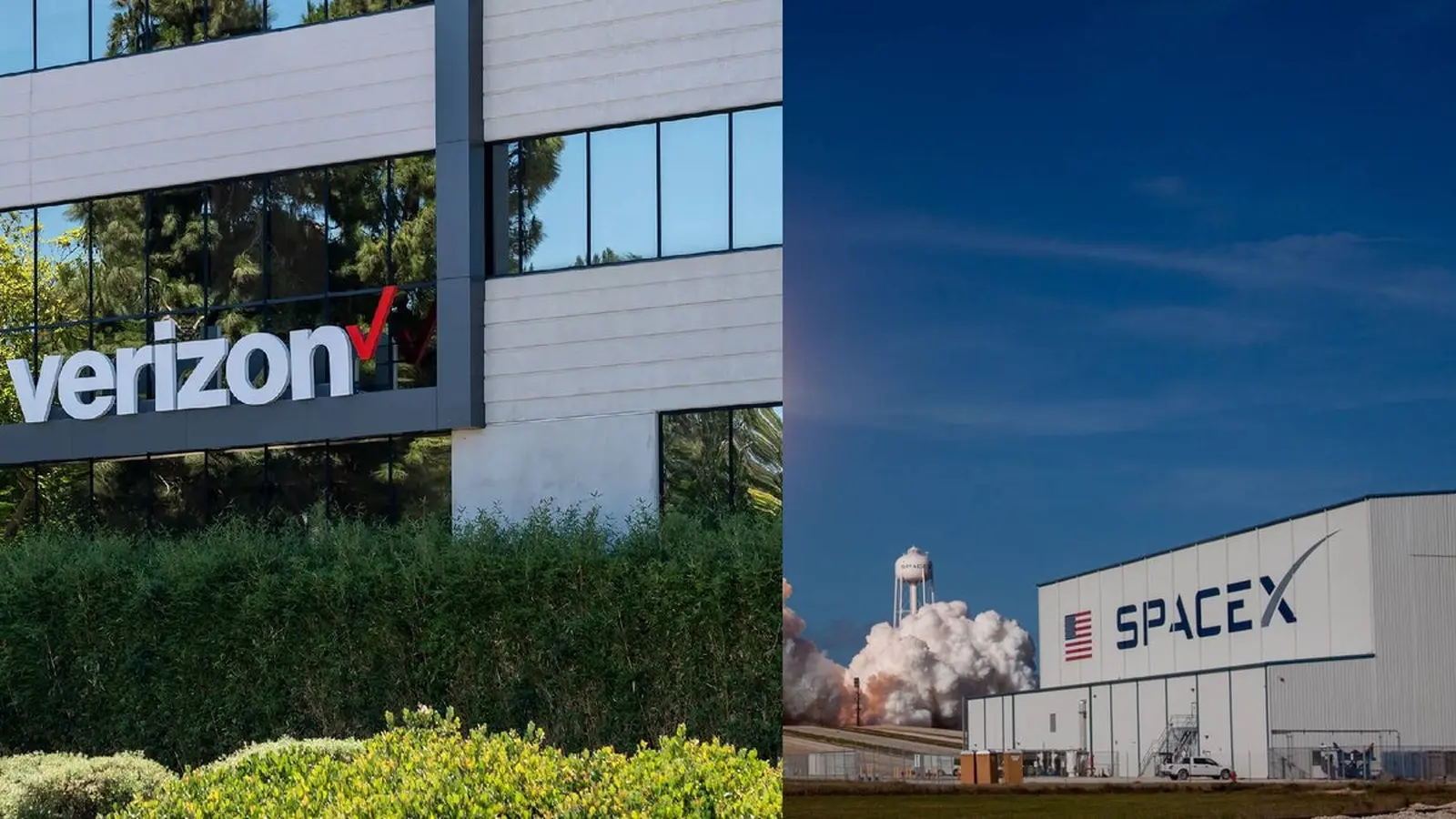
SpaceX’s spectrum purchase reshapes its carrier ambitions
Elon Musk signaled that acquiring a major U.S. wireless operator isn’t impossible after SpaceX agreed to buy nearly $17 billion in spectrum assets from EchoStar. The deal gives SpaceX AWS-4 and H‑block licenses — frequencies authorized for both satellite and mobile communications — accelerating Starlink’s push into direct-to-cell connectivity and raising the prospect of SpaceX evolving into a global mobile carrier.
What the EchoStar spectrum brings to Starlink
Product features and technical capabilities
The EchoStar purchase supplies mid- and high-band spectrum that’s suitable for two-way, high-bandwidth links to smartphones. SpaceX plans to outfit new satellites with radios compatible with those bands while working with chipset makers and handset manufacturers to add support. Musk estimates commercial phones able to use that spectrum may start shipping in roughly two years, by which time parallel satellite builds should enable broad coverage for data-intensive tasks off the cellular grid.
Comparisons and strategic context
Compared with SpaceX’s current T‑Mobile partnership — which relies on mid-band PCS spectrum — the EchoStar licenses provide a broader palette for satellite-native mobile services. EchoStar also holds international assets, making a Starlink transition into a global carrier more feasible than prior incremental moves like roaming agreements or spectrum leases.
Advantages, use cases and market relevance
Advantages: direct-to-cell satellite links could deliver high-throughput broadband to rural and maritime users, emergency and disaster-response teams, and IoT applications where terrestrial towers are unavailable. Use cases include streaming, real-time enterprise connectivity, remote work, and resilient public-safety networks. From a market perspective, this transforms how operators and device makers think about spectrum, roaming, and wholesale arrangements — and it could prompt new business models such as spectrum leasing to existing carriers.
Musk, Verizon and the competitive landscape
When asked about buying Verizon to expand spectrum holdings, Musk didn’t dismiss the idea, saying it’s “not out of the question.” He also emphasized he doesn’t expect to drive traditional carriers into extinction — they still own substantial spectrum portfolios. For now, SpaceX appears committed to collaborating with telecom operators; reports indicate the company may lease some rights back to partners like T‑Mobile as part of a hybrid satellite-terrestrial strategy.
Whether through partnerships, leasing, or larger acquisitions, SpaceX’s EchoStar deal marks a pivotal shift in satellite broadband, mobile connectivity, and the competitive dynamics of the wireless industry.
.avif "Verizon Faces Major Backlash as Longtime Customers Abandon Ship Over Loyalty Discount Cuts")

Leave a Comment
Comments
No comments yet. Be the first.