
3 Minutes
Nothing plans AI-native hardware debut in 2026
London startup Nothing is preparing to introduce its first AI-native consumer products in 2026, marking a strategic pivot from software-led features toward hardware where artificial intelligence is central to the user experience. The announcement follows a $200 million Series C round that lifted Nothing’s valuation to roughly $1.3 billion and gives the company fresh resources to scale development.
Funding and momentum
The Series C was led by Tiger Global and included investors such as Qualcomm Ventures, GV, Highland Europe, EQT, Latitude, I2BF, Tapestry and entrepreneur Nikhil Kamath. Since its 2020 launch, Nothing—co-founded by Carl Pei—has reported rapid growth: 150% year-over-year sales growth in 2024 and more than $1 billion in cumulative revenue by early 2025.
What ‘AI-native’ means for devices
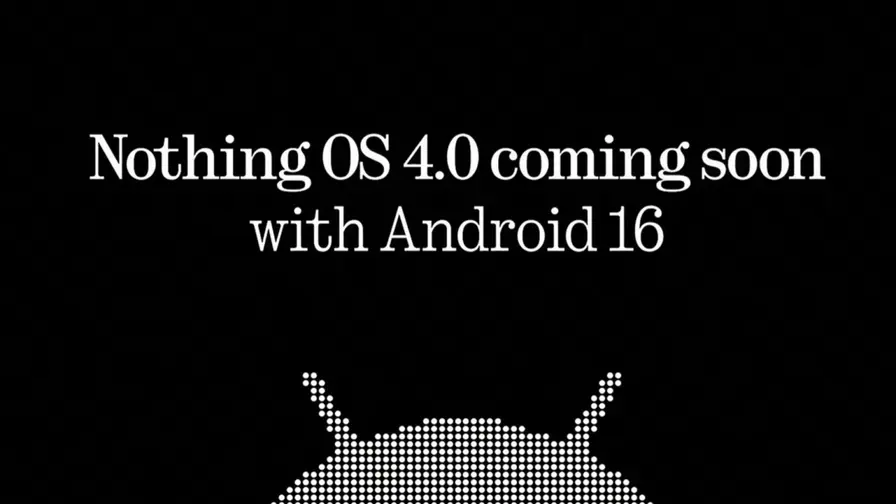
Rather than treating AI as a bolt-on feature, Nothing says its next products will embed an AI layer into the operating system itself. The first wave is expected to include:
- Phones
- Audio devices (true wireless earbuds, headphones)
- Smartwatches
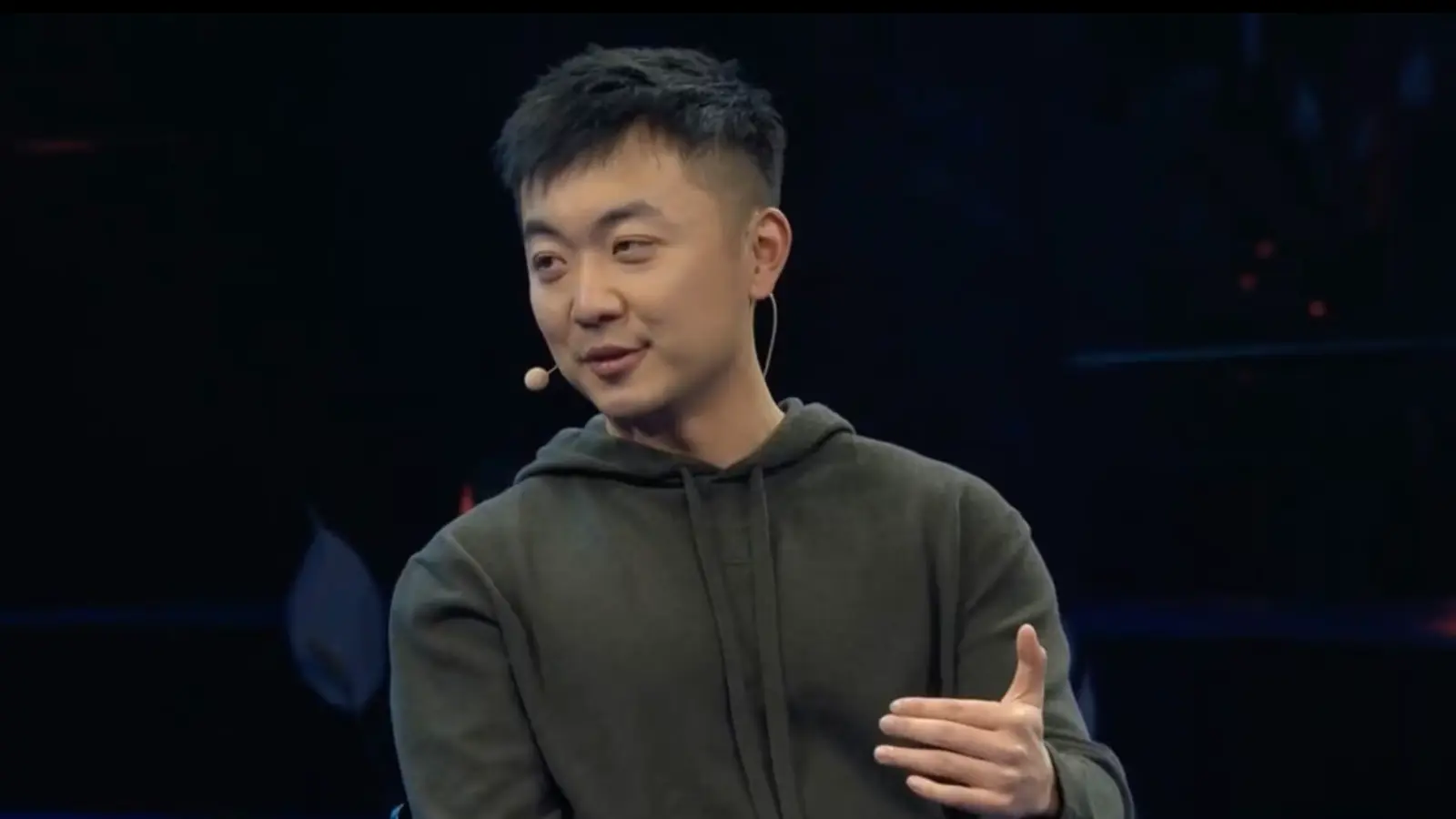
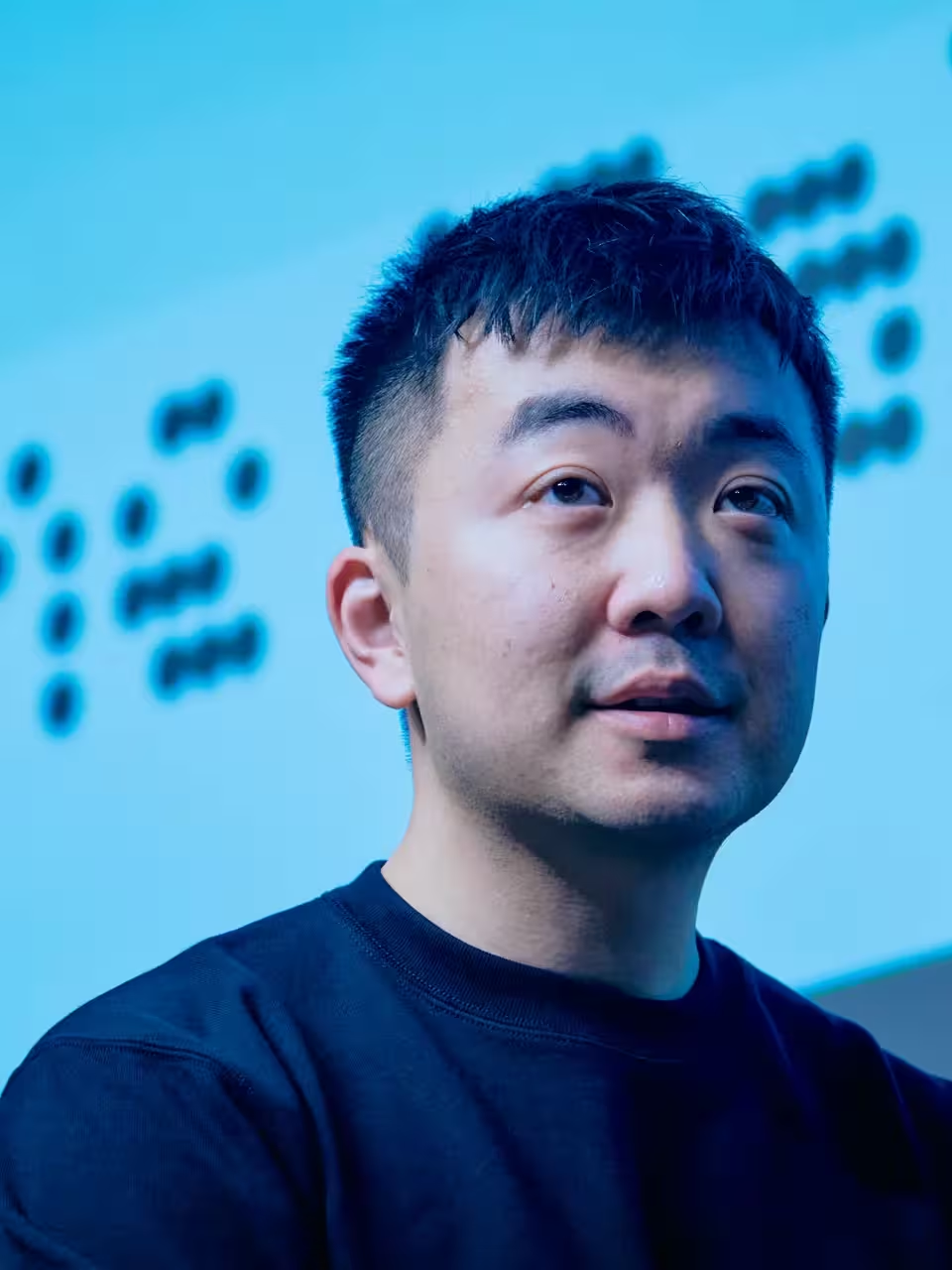
Carl Pei has described the company’s ambition as moving away from a “one-size-fits-all” OS toward what he calls “a billion personalized experiences.” In practice, that could mean an adaptive OS that anticipates routines, automates repetitive tasks, and customizes interfaces and notifications based on individual preferences and behavior.
"The system will handle the non-essential for us, allowing us to focus on what truly matters," Nothing wrote on its community forum, framing the approach as technology that amplifies human potential rather than merely adding more features.
Roadmap and market context
Nothing’s roadmap reportedly extends beyond phones and wearables. The company has discussed potential future applications of its AI-driven operating system for smart glasses, humanoid robots and even electric vehicles. If realized, that would position Nothing to compete across multiple consumer and adjacent device categories.
This strategy is an attempt to differentiate in an increasingly crowded consumer tech market dominated by established platforms such as Android and iOS. By offering a personalized AI layer on hardware, Nothing aims to create distinct user experiences that could appeal to early adopters seeking tighter integration between device intelligence and everyday tasks.
Takeaways
- Backed by strong funding and investor support, Nothing is accelerating toward AI-first hardware.
- Initial products target phones, audio and wearables; broader device ambitions are on the table.
- Success depends on execution: delivering privacy, efficient on-device intelligence and meaningful personalization will be critical for adoption.
As 2026 approaches, the industry will watch whether Nothing can translate its AI-native thesis into products that resonate globally with consumers and developers alike.






Leave a Comment
Comments
No comments yet. Be the first.