
4 Minutes
Samsung weighing a US launch for its first tri-fold phone
Samsung appears poised to push foldable innovation further: multiple industry reports say the company is preparing to release its first tri-fold smartphone, and—contrary to earlier expectations—the device could arrive in the United States. A CNN Business report, citing a person familiar with Samsung’s plans, indicates the manufacturer is considering a US release, which would mark the first time a tri-fold handset is officially sold in the American market.
What makes a tri-fold phone different?
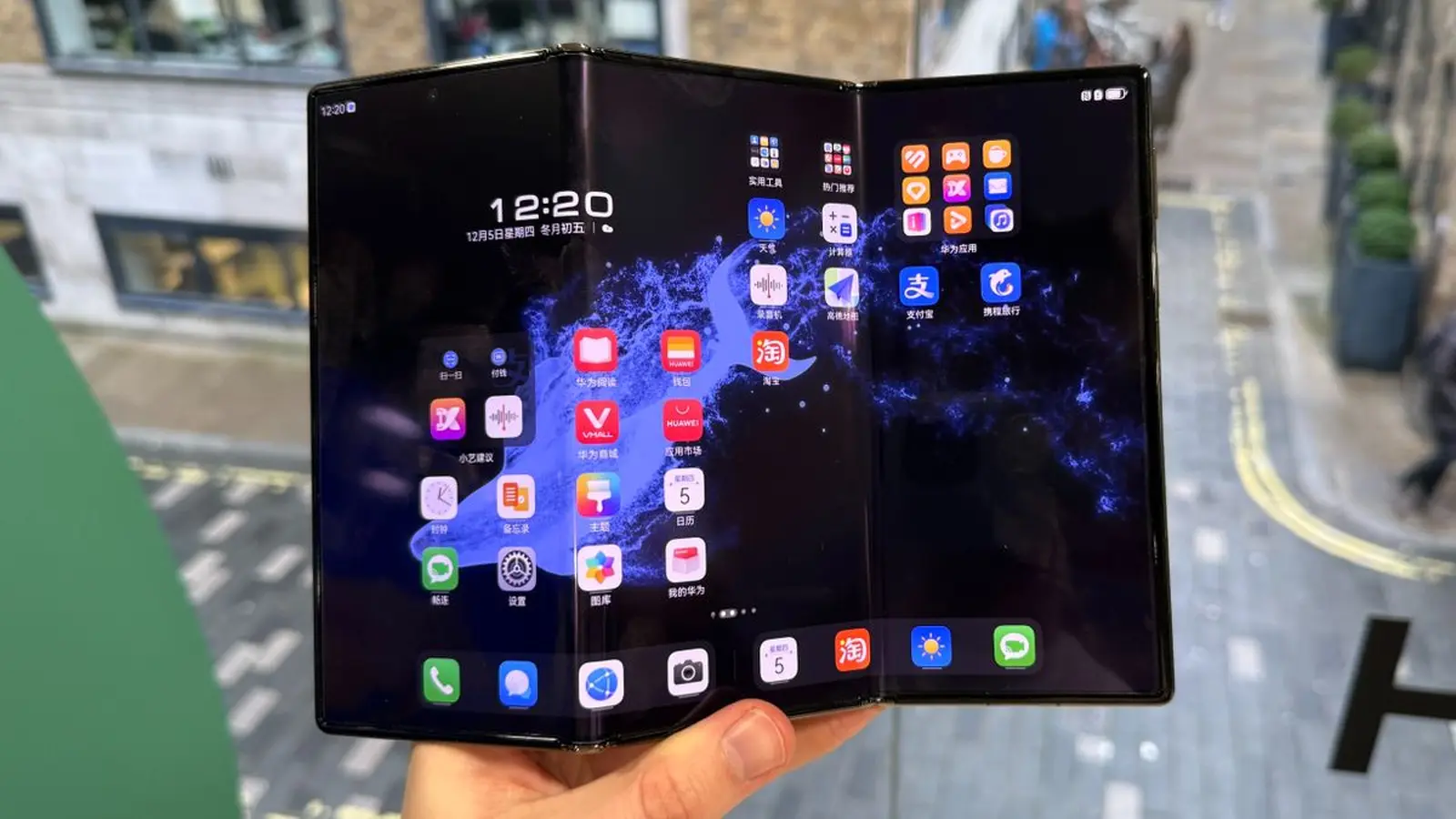
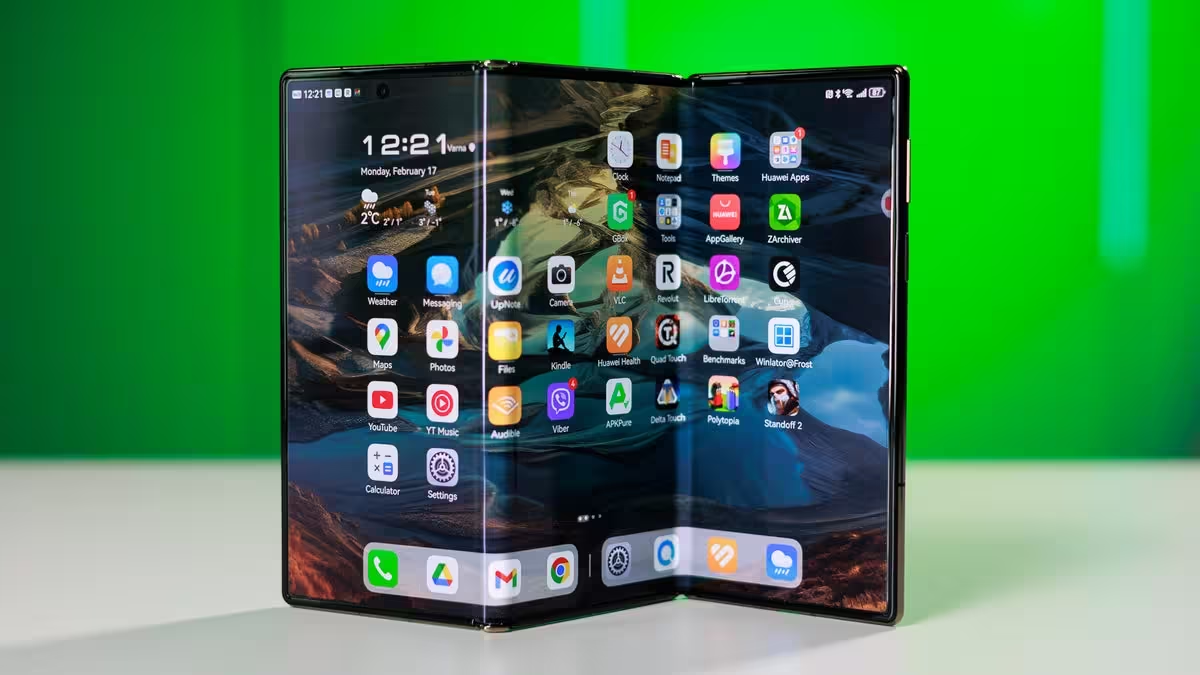
Tri-fold phones add a second folding axis to the foldable formula, producing a larger usable display when unfolded and a more conventional size when closed. Unlike single-fold or clamshell formats, a tri-fold offers additional screen real estate that can be useful for multitasking, content creation, and split-screen workflows. Huawei currently sells tri-fold devices like the Mate XT and Mate XTs, but those models have been largely confined to China.
Samsung’s rumored handset, reportedly codenamed the Galaxy TriFold by industry chatter, is said to use a different hinge and unfolding mechanism than Huawei’s design. Early leaks suggest Samsung is pursuing a distinct engineering approach, which could affect factors like thickness, crease visibility, durability, and how apps adapt to multiple screen states.
Timing, price and availability
Sources close to the reports place a possible launch window in November. If Samsung follows through with a US release, pricing could be in the premium-tier range: some reports estimate a US price near $3,000. That would position the Galaxy TriFold as a high-end, niche flagship aimed at early adopters and professionals who prioritize productivity and large-screen mobile use.
Market context: why the US matters
The US is a strategically important market for any smartphone maker. Official availability through carriers and retail partners boosts brand presence, simplifies warranty and repair logistics, and makes it easier for consumers to buy devices without relying on parallel imports. For Samsung, launching a tri-fold model in the US would not only expand its product lineup but also reinforce leadership in foldable innovation.
Huawei’s tri-fold presence has been limited by geopolitical and distribution constraints, keeping those models largely within China. If Samsung becomes the first mainstream brand to sell a tri-fold in the US, it could shape how carriers, app developers, and accessory makers approach the format.
Potential benefits and use cases
- Enhanced multitasking: multiple app windows and improved productivity for email, documents, and creative tools.
- Content consumption: a larger uninterrupted display for video, gaming, and reading.
- Mobile-first creators: expanded canvas for photo and video editing, and potentially better camera setups optimized for different folded states.
- Enterprise adoption: users who need portable large-screen productivity without carrying a tablet or laptop.
For consumers who prioritize portability and screen size, a tri-fold could be compelling. But it’s not for everyone: higher cost, potential durability concerns, and software optimization remain real hurdles.

Technical and commercial hurdles
Bringing a tri-fold to market at scale presents engineering and supply-chain challenges. Folding mechanisms are more complex than single-hinge designs, which can affect yield rates, repairability, and long-term reliability. Software must also be optimized to handle multiple folding states without breaking app layouts; this puts pressure on both Samsung and third-party developers to deliver a fluid experience.
From a commercial perspective, carriers and retailers will weigh customer demand and support logistics. A $3,000 price tag limits mass-market appeal and shifts the product into a premium, early-adopter niche. Insurance, repairs, and trade-in values will be central to buyers’ calculus.
How Samsung could differentiate
To stand out, Samsung may focus on several areas:
- Engineering refinements: reduced crease visibility, improved hinge longevity, and thinner folded profiles.
- Software enhancements: better multitasking, task continuity between folded states, and developer tools to support multiple-display modes.
- Ecosystem integration: tighter links with Samsung’s tablets, laptops, and cloud services to make the device attractive to power users.
These elements could make the Galaxy TriFold more than a novelty and give it real utility for users who need a mobile device that replaces or complements a laptop.
What to watch next
Key signals to look for in the coming weeks include:
- Official announcements from Samsung detailing price, specs, and release dates.
- Carrier partnerships and preorder listings in the US and other markets.
- Independent durability tests and early reviews that assess hinge longevity and screen resilience.
- FCC filings or retail inventory listings that often leak ahead of official launches.
For now, Samsung’s tri-fold phone remains a high-profile rumor with credible sourcing behind it. If the company does introduce the Galaxy TriFold in the US this year, it would mark a notable step in the evolution of foldable smartphones and likely accelerate developer and accessory support for multi-fold displays.
Until Samsung provides confirmation, consumers and industry watchers should treat specifications, timing, and pricing as provisional. But the prospect of an official tri-fold release in the US adds a new dimension to the foldable smartphone market and underscores how quickly mobile form factors continue to evolve.






Leave a Comment
Comments
No comments yet. Be the first.