
3 Minutes
Apple’s iPhone Air challenges the big-battery narrative
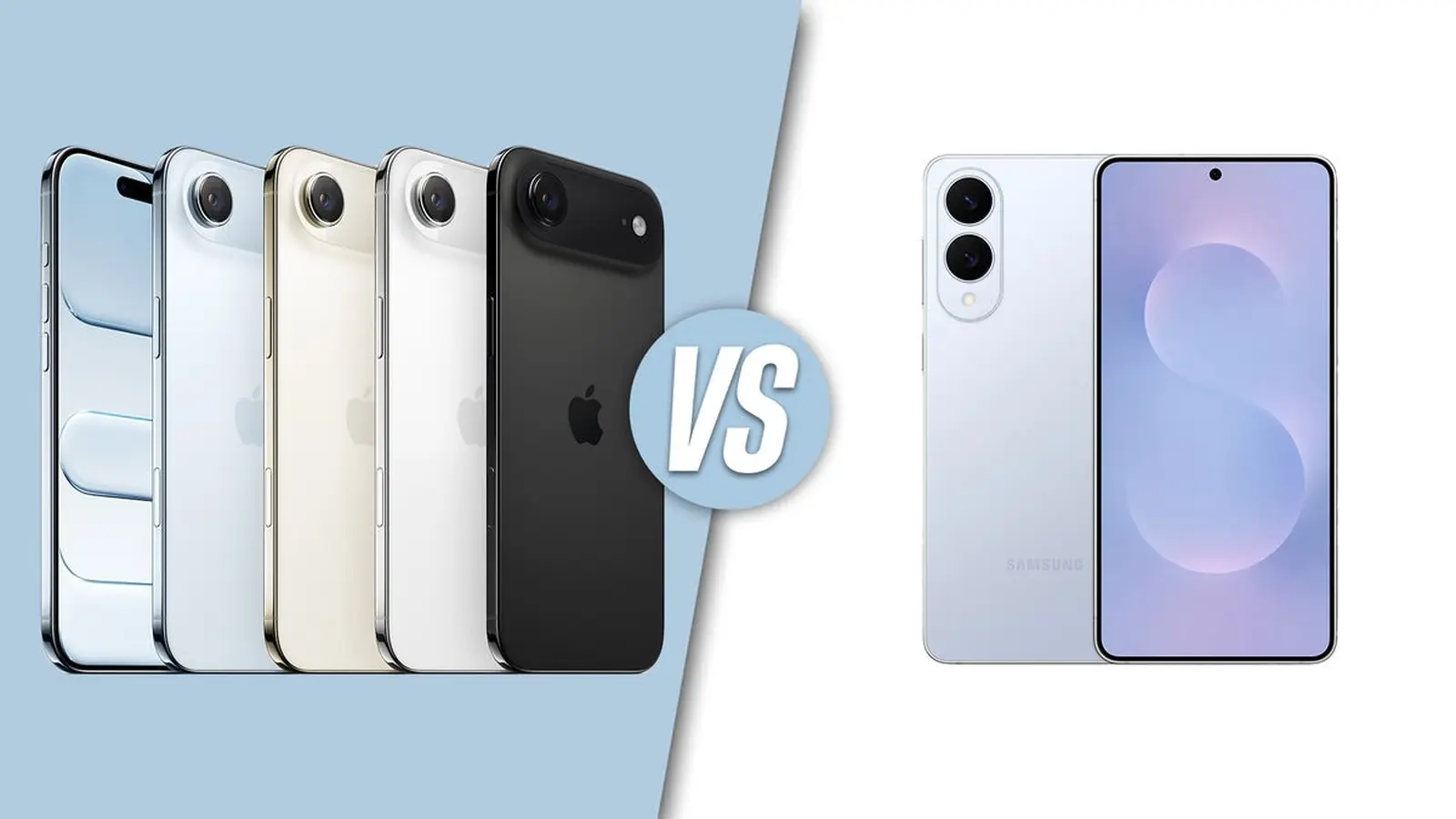
Apple’s new iPhone Air is turning heads — not because it packs the largest battery, but because it performs like it does. At just 3,149 mAh, the Air’s cell looks modest next to many modern flagships that lean on 4,000–6,000 mAh packs. Yet early third-party battery tests show the handset delivering endurance that competes with, and in some cases surpasses, larger-battery rivals such as Samsung’s Galaxy S25 Edge.
Real-world drain tests: numbers that matter
Independent testers ran mixed workloads to simulate everyday use. Highlights include:
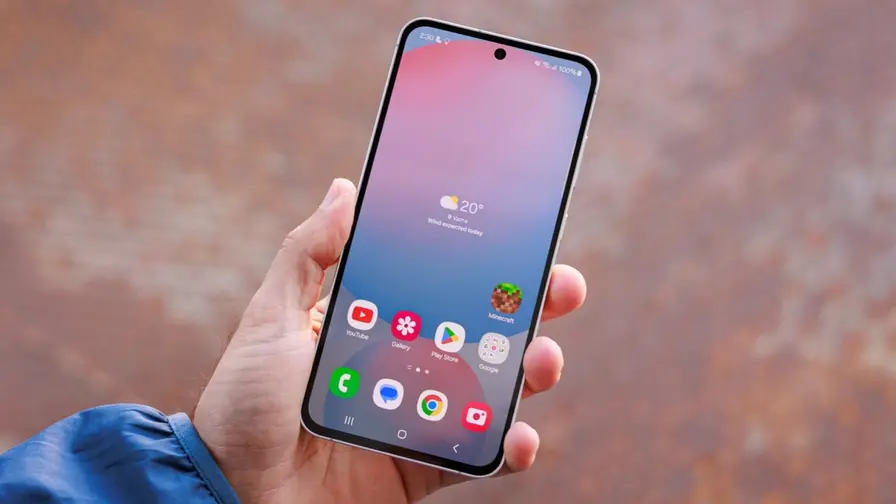
- XEETECHCARE full drain test: iPhone Air logged 8 hours 57 minutes of screen-on time; Galaxy S25 Edge registered 8 hours 45 minutes with a 3,900 mAh battery.
- Tom’s Guide web browsing loop: iPhone Air reached 12 hours 2 minutes versus the S25 Edge’s 11 hours 48 minutes.
- Video streaming: after a five-hour continuous play session, the iPhone Air still reported about 81% charge remaining, while the S25 Edge was down to roughly 67%.
These numbers suggest Apple’s efficiency strategies are paying off — performance gains that can’t be explained by battery size alone.
What explains the gap?
There are several likely contributors to the iPhone Air’s competitive stamina:
- System-level optimization: iOS has long been tuned for tight power management across hardware and software.
- New power-management features: industry rumors and early reports indicate Apple integrated AI-assisted resource management in the latest iPhones, which could dynamically prioritize tasks and reduce background drain.
- Component synergy: display, SoC, and modem efficiency together can deliver better real-world battery life than raw capacity suggests.
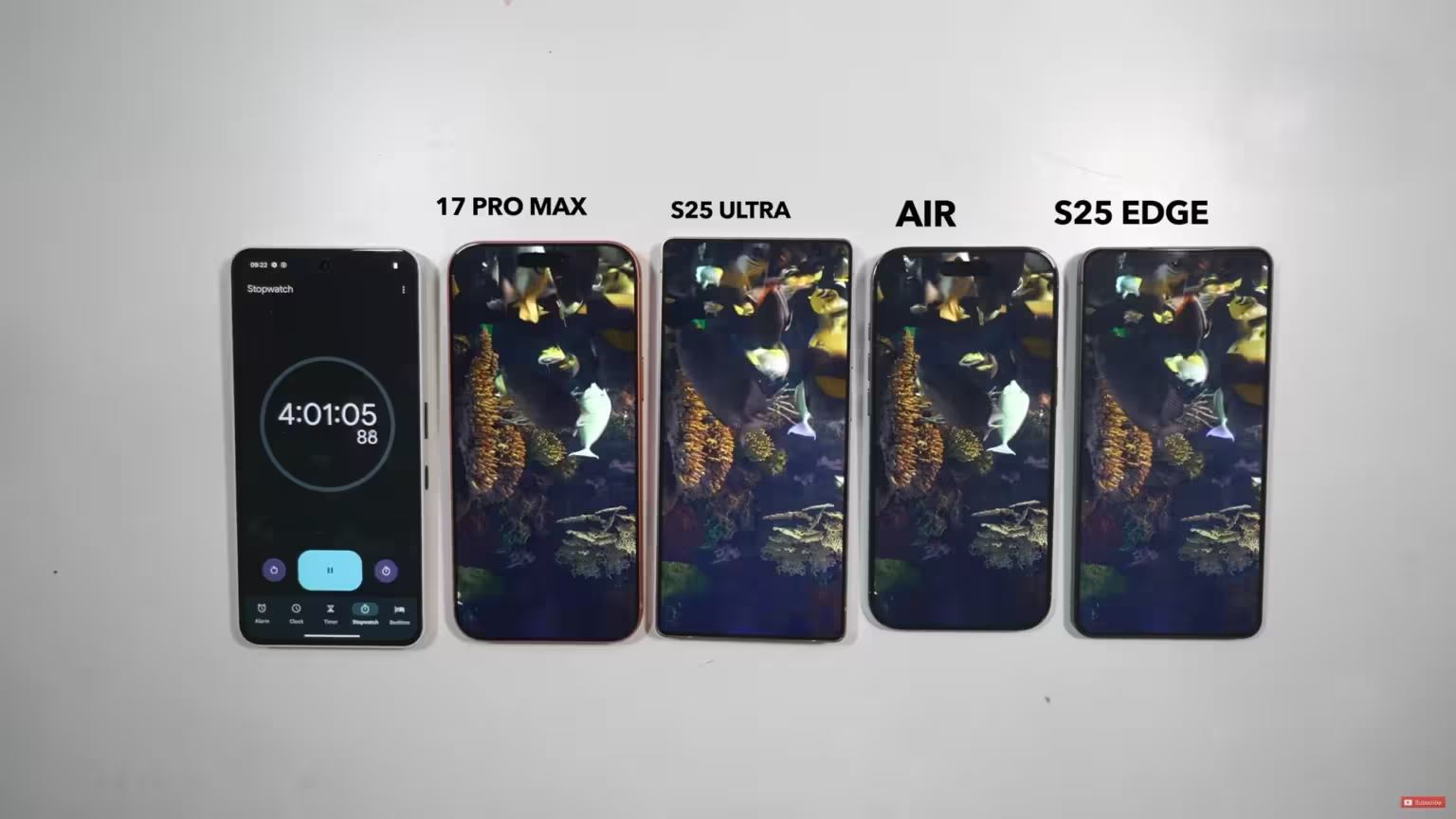
Apple’s broader lineup also reflects this trend. XEETECHCARE’s tests showed the iPhone 17 Pro Max lasting 11 hours 53 minutes compared with the Galaxy S25 Ultra’s 9 hours 18 minutes. Even the iPhone 17 Pro with its 3,988 mAh battery outperformed last year’s 16 Pro Max (4,685 mAh) in some scenarios.
Why this matters to buyers and the market
Battery capacity has been a headline metric for years, but endurance is what users experience daily. The iPhone Air demonstrates that manufacturers can achieve long battery life through software and system-level innovation rather than only adding milliamp-hours.
For consumers this means:
- Smaller, lighter phones can still deliver all-day use if hardware and software are well matched.
- Battery size alone is an unreliable indicator of real-world runtime; published test results and independent reviews are more informative.
For competitors, the implications are strategic: if Apple’s efficiency gains are driven by AI-assisted resource management, rivals may need to invest similarly in software-level optimization to keep pace.
Durability and other practical considerations
Endurance isn’t the only concern. Durability tests have already surfaced: reliability-focused reviewers such as JerryRigEverything performed stress and bend tests on the iPhone Air. While teardown and bend tests don't affect battery life figures directly, they provide context for long-term ownership and repairability.
Bottom line
Early evidence indicates the iPhone Air punches above its weight on battery life. Test results from XEETECHCARE and Tom’s Guide show the phone outlasting the Galaxy S25 Edge in several key scenarios despite a significantly smaller battery. Whether the gains stem from AI-driven resource allocation, incremental efficiency improvements in silicon and display, or a combination of both, the takeaway is clear: raw battery capacity is no longer the sole predictor of endurance.
If you prioritize real-world battery performance, consult independent battery tests and mixed-use benchmarks rather than relying solely on milliamp-hour figures. As manufacturers increasingly blend hardware and AI-powered software optimizations, the market will likely shift toward more nuanced comparisons of efficiency, not just capacity.

"You don’t always need the biggest battery to get the best endurance," the recent round of tests suggests — and that’s a trend worth watching as newer models and 2026 flagships arrive.




Leave a Comment
Comments
No comments yet. Be the first.