
4 Minutes
Apple stock rebounds, surging past early‑2025 highs as investors return
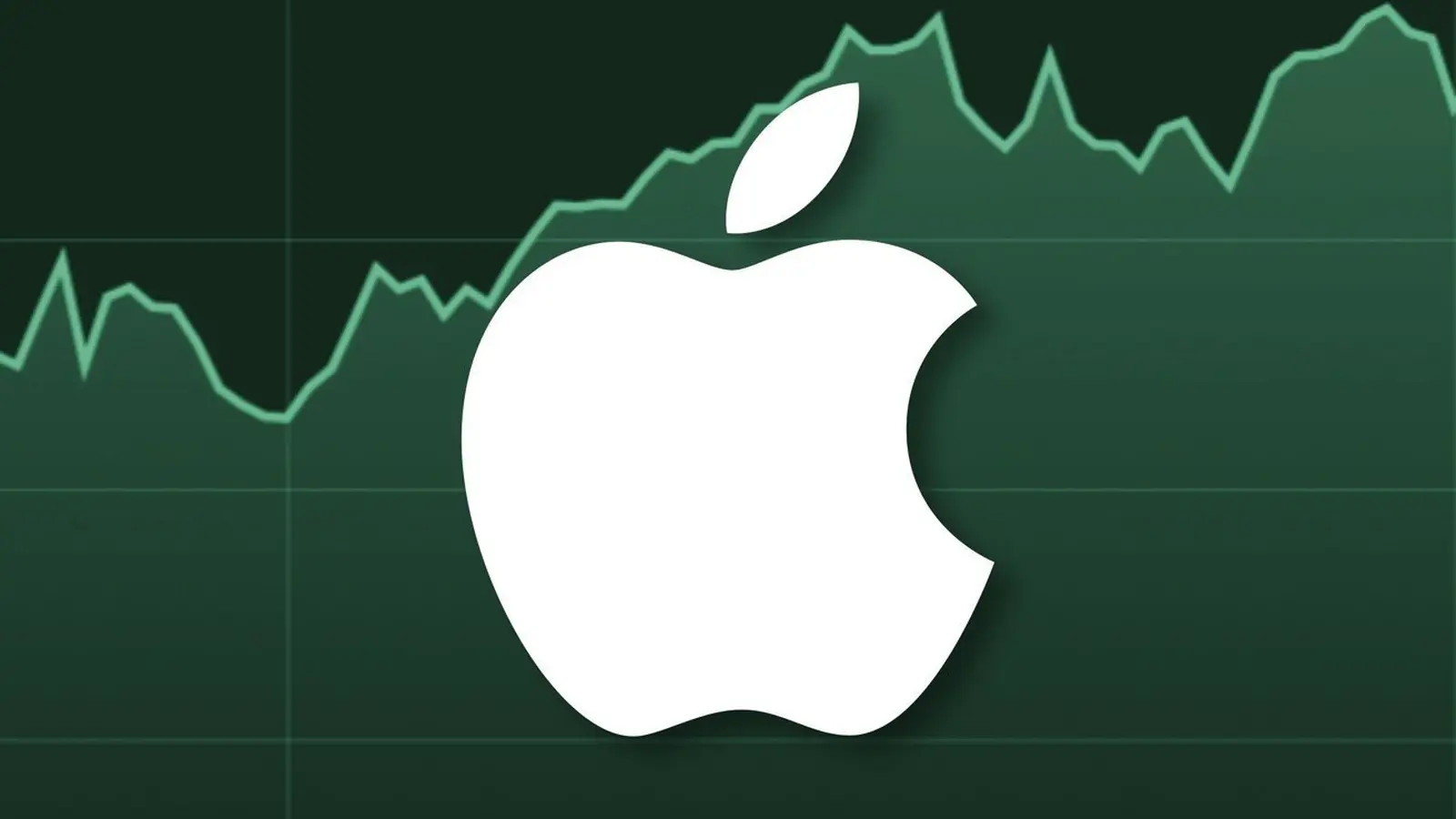
Apple's share price staged a rapid comeback in late 2025 after the iPhone 17 launch, illustrating how quickly market panic can convert into gains when strategy and timing align. After a period of volatility driven by tariffs, AI skepticism and macroeconomic worries, sentiment has shifted. By mid‑day on September 22, 2025, shares were trading near $255 — within striking distance of the 52‑week high at $260.09. Apple closed the session on September 22 at $256.08.
The recovery reflects renewed investor confidence and underscores Apple's ability to combine strategic moves, market psychology and operational resilience when faced with external pressures.
Tariff shock and supply‑chain diversification
In early 2025 Apple was pulled into a renewed U.S.‑China trade dispute that changed investor outlooks. Washington applied a 10% tariff on certain imports, Beijing imposed retaliatory measures, and concerns about the supply chain pressured margins. With much iPhone assembly still centered in China, the escalation posed a material risk and shares fell from late‑2024 highs before beginning a gradual recovery over the summer.
Apple accelerated efforts to diversify production, expanding manufacturing in India and Vietnam to build long‑term stability. The company is targeting India as the source for most iPhones sold in the U.S. by 2026. At the same time, renewed commitments to U.S. manufacturing helped lower political risk and assuage investor concerns, reinforcing the view that the tariff impact was manageable.
AI anxiety and Apple’s longer game
Alongside supply‑chain headwinds, Apple faced questioning about its AI strategy. Competitors highlighted cloud‑centric breakthroughs while Apple doubled down on on‑device performance and strong privacy protections. The company described its path as deliberate and integration‑focused, emphasizing tight hardware‑software synergy rather than race‑to‑cloud feature lists.
That narrative gained traction after quarterly results showed robust iPhone and Services revenue. Platform updates, including advances in Apple Intelligence and incremental improvements tied to recent iPhone models, reinforced a patient, ecosystem‑first approach. Services revenue hit a record $26.6 billion in the March quarter, signaling growing subscription resilience beneath hardware cycles.

Macroeconomics and resilience
Broader economic improvements also helped tech equities. Cooling inflation and signals of future rate cuts supported renewed optimism across the sector. Consumer demand remained a tailwind in key markets, with Apple outperforming otherwise flat global smartphone volumes. The iPhone 16 was the world's top‑selling model in the first half of 2025, and momentum carried into the iPhone 17 launch later in the year.
Strength in Services created a buffer against hardware volatility and made investors more receptive to Apple’s AI story as complementary to sustained growth rather than a near‑term drag on valuation.
Risks and the road ahead
Despite the rebound, Apple still faces risks that could derail momentum. China remains a potential flashpoint for production disruptions. Apple’s privacy‑first AI strategy is more credible than a year ago, but it remains narrower than cloud‑heavy competitors; execution will determine whether privacy‑focused features deliver clear consumer value.
The Vision Pro, priced at $3,499, is a long‑term bet on spatial computing. Early reviews praised the device, but analysts remain skeptical about its near‑term revenue impact. Regulatory pressure, especially in Europe, adds further uncertainty: fines, investigations and changes to App Store rules could affect one of Apple’s most profitable businesses.
Apple’s balancing act
Apple’s 2025 rebound shows how decisive strategy and operational flexibility can restore market confidence. Tariff shocks were countered by supply‑chain diversification, and AI skepticism was tempered by deeper ecosystem integration. The crucial next step is turning recovery into leadership: Apple must show its hardware, Services and AI investments drive meaningful innovation rather than merely protecting the status quo.
Investors have returned, with shares trading near annual highs again. Going forward, the market will judge Apple on execution, successful diversification and bold moves that confirm the company remains a defining force in technology.












Leave a Comment
Comments
No comments yet. Be the first.