
3 Minutes
Intel has reportedly reached out to Apple about a possible investment or partnership as it works to shore up its struggling chip division and grow its foundry business. Talks appear early-stage, but the move highlights increasing momentum — and government backing — behind Intel's strategy to compete with chip leaders.
Why Intel is seeking a high-profile partner
The US chipmaker needs both customers and capital to scale its foundry operations. After recent setbacks in manufacturing and product cycles, Intel is courting large tech customers to secure long-term demand and credibility for its process nodes. A tie-up with Apple would give Intel one of the world's most influential chip designers as a customer or investor, potentially accelerating design collaboration and attracting other clients.
Government stake and outside investors reshape the landscape
Intel's push comes amid significant public and private support. In August 2025, the US government bought a 9.9% stake in Intel for $8.9 billion using unspent CHIPS Act funds and money from the Secure Enclave program. That investment has buoyed investor confidence, sending Intel's stock higher. At the same time, Nvidia announced plans to invest $5 billion to collaborate with Intel on chips for PCs and data centers, underscoring growing industry interest in new foundry capacity.
Apple's evaluation of Intel's 14A node
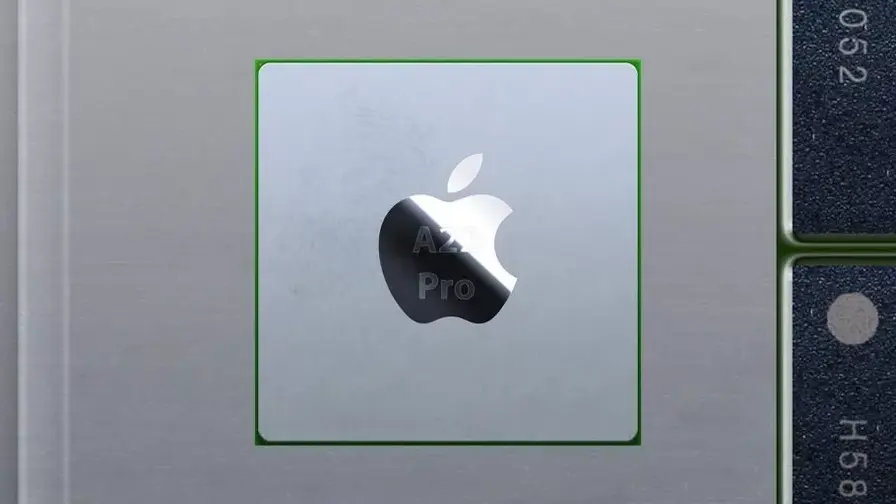
Reports suggest Apple has been evaluating Intel's newly announced 14A process node as a potential option for future M-series chips. Intel has shared its 14A Process Design Kits (PDKs) with potential partners, but moving from evaluation to mass production would take time. For Apple, using Intel would represent a strategic diversification away from TSMC, its long-standing manufacturing partner, but any shift would require extensive validation and roadmap alignment.
What could — and might not — come from talks
Bloomberg and other outlets describe the discussions as preliminary; there's no guarantee they will result in a deal. A formal investment or multi-year chip supply agreement would require detailed technical collaboration, volume commitments, and timelines for production ramp. Even so, the conversation signals Intel's willingness to pursue bold partnerships as it competes with TSMC in advanced logic and with Nvidia in AI-accelerated architectures.
Conclusion
Intel approaching Apple is a strategic play shaped by recent government support and renewed investor interest. While any Apple-Intel agreement remains uncertain and would take years to fully materialize at scale, the talks illustrate how the global semiconductor map is shifting: governments, cloud and AI players, and device makers are all repositioning to secure supply, technology, and advantage in the next generation of chips.







Leave a Comment
Comments
No comments yet. Be the first.