

2 Minutes
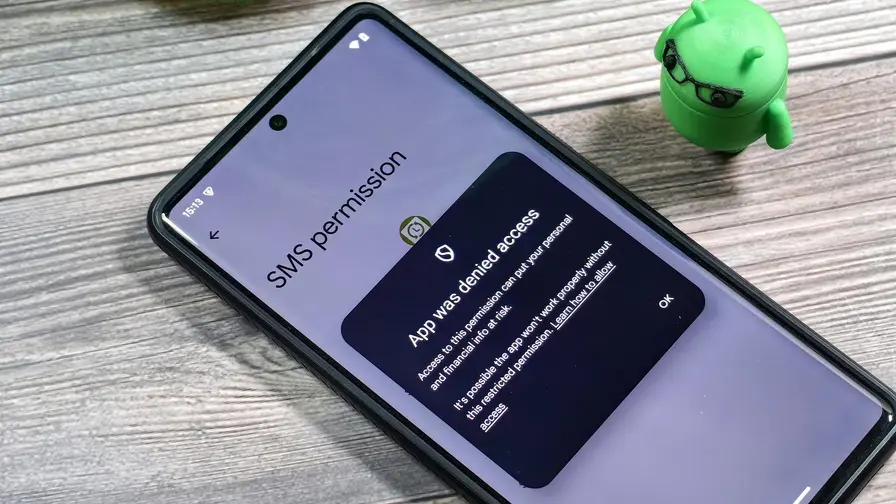
Google's proposed developer registration rules are stirring concern across the Android ecosystem. What was once a platform prized for flexibility—installing apps from multiple sources—faces a potential shift toward centralized control that could impact sideloading and independent app stores like F-Droid.
What the new developer requirements involve
Under Google's plan, every Android developer would need to register with Google and provide government-issued identification, app identifiers, and signing keys. This registration is not limited to apps on Google Play: it would extend to apps distributed outside the Play Store, effectively tying app installation to a Google-controlled verification process. The change means Google could block or revoke a developer's registration and, by extension, their ability to distribute apps on Android devices.
Why open-source app stores and sideloading are at risk
For more than 15 years, F-Droid has offered a transparent catalog of free and open-source Android apps, relying on community review and open code to preserve user safety. The new rules have prompted F-Droid to warn they could “end the F-Droid project and other free/open-source app distribution sources as we know them today.” Many privacy-focused projects and small developers may be unwilling or unable to submit personal IDs or corporate-level signing keys, which raises the prospect that a sizeable portion of F-Droid's roughly 4,000 apps—developers estimate up to 30%—could vanish if compliance proves impractical.

Security rationale versus practical concerns
Google frames the move as a security improvement designed to reduce malware. Critics counter that Play Protect and the Play Store have repeatedly failed to stop malicious apps, and that centralizing control doesn’t guarantee better outcomes. Open-source ecosystems use transparency and community oversight as their primary defenses. Forcing centralized verification may shift the balance toward a model closer to Apple’s tightly controlled App Store, reducing competition and limiting user choice.
Regulatory and global implications
This proposal arrives amid growing scrutiny: Europe’s Digital Markets Act requires major platforms to support alternative app stores, and US regulators are already probing Google's distribution dominance. The new rules could attract regulatory challenges as potential barriers to competition and alternative distribution channels.
Conclusion
While protecting users from malware is a legitimate goal, centralizing developer control under Google risks undermining the openness that has long defined Android. The stakes include the survival of independent app stores, the livelihood of small developers, and users’ ability to choose where they get their apps. The debate now centers on finding a balance between security and maintaining a vibrant, open app ecosystem.










Leave a Comment
Comments
No comments yet. Be the first.