
3 Minutes
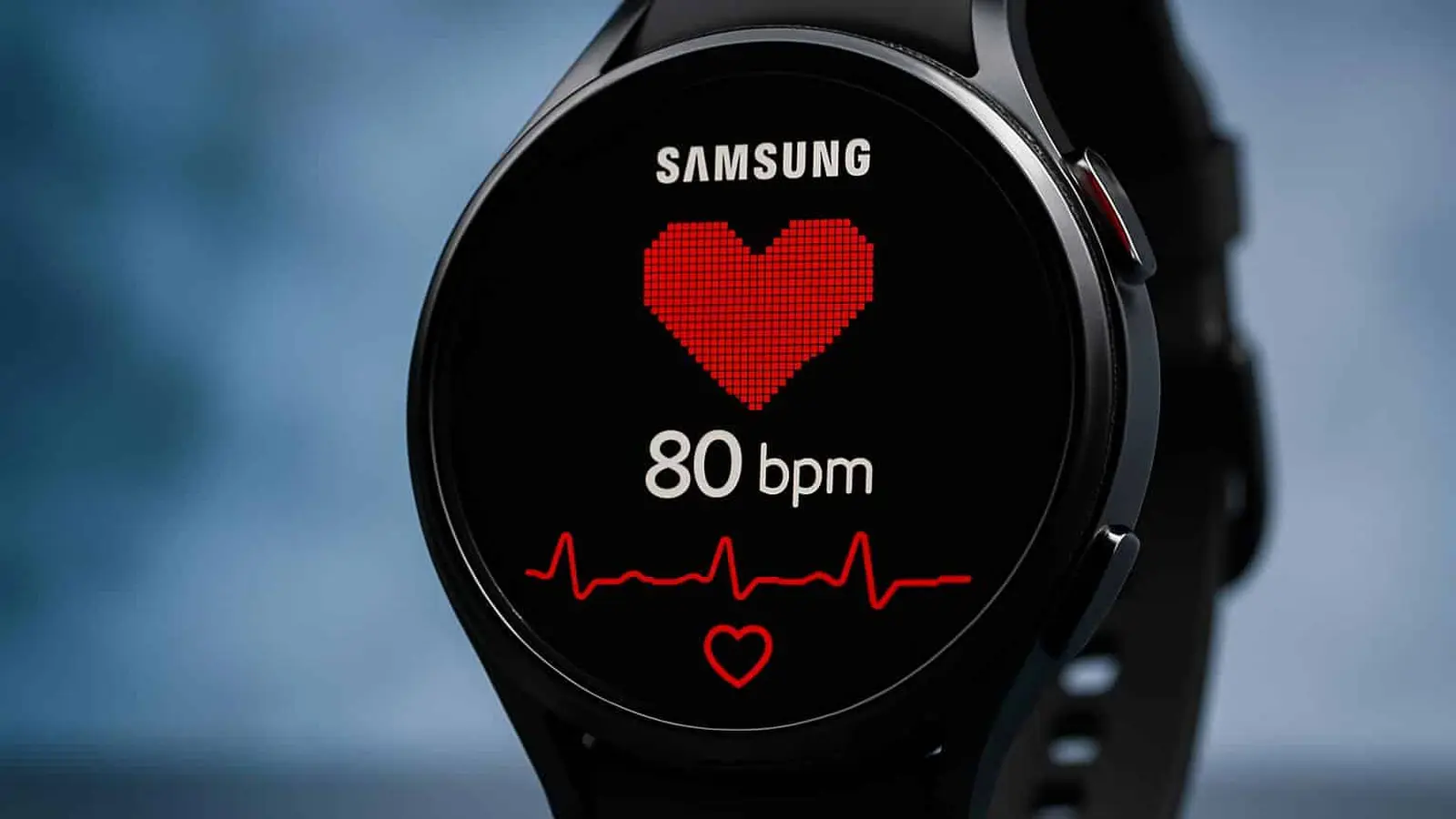
Samsung is expanding its wearable health ambitions with two research projects that could change remote monitoring: a smartwatch-based screening for Left Ventricular Systolic Dysfunction (LVSD) and an around-the-ear EEG prototype for continuous brainwave sensing. Both aim to move clinical-grade signals out of hospitals and into everyday devices.
A smartwatch that screens for serious heart dysfunction
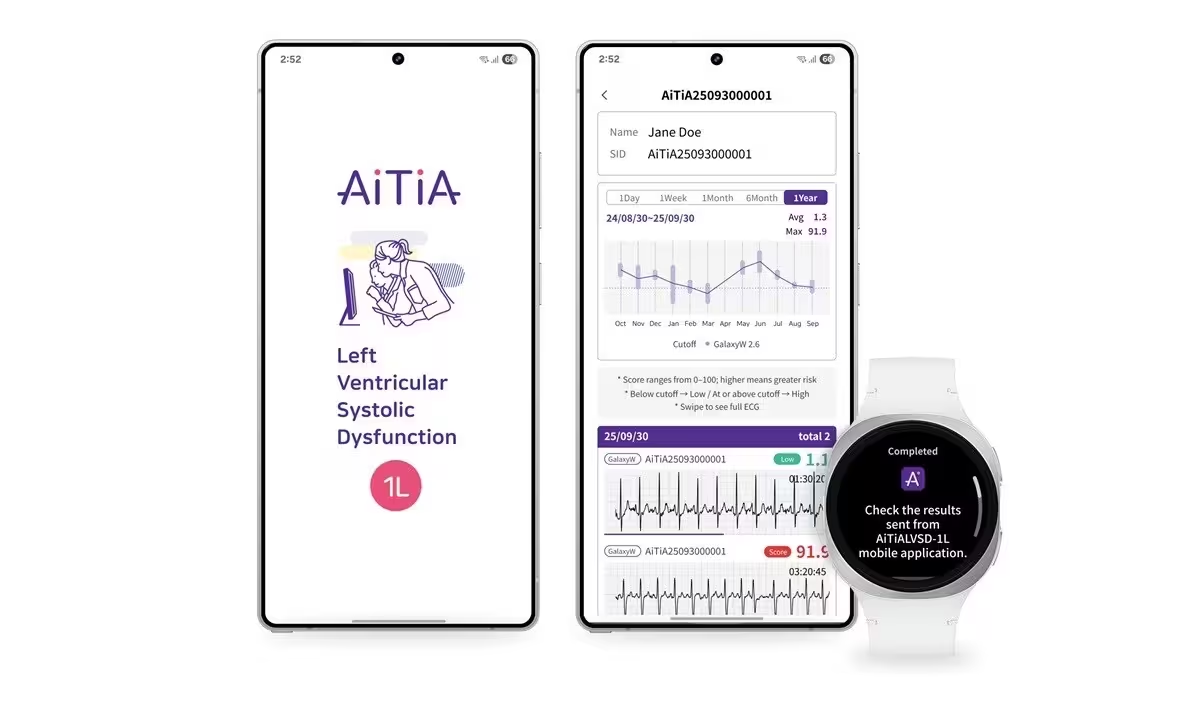
In a first for consumer wearables, Samsung says it is developing AI-driven detection and monitoring of Left Ventricular Systolic Dysfunction (LVSD) on its smartwatches. LVSD is a major contributor to heart failure — accounting for roughly half of cases — and can be more deadly than several cancers. Because many people with LVSD are asymptomatic until the condition worsens, early screening is critical to reduce mortality and avoid hospitalization.
Samsung’s approach relies on algorithms developed in collaboration with Medical AI, a South Korean medical device company known for AI ECG analysis. The wearable model is based on Medical AI’s validated 12-lead ECG algorithm, which the company already deploys across more than 100 major hospitals in Korea and uses for over 120,000 patients every month. By adapting that clinical algorithm for single-lead or wearable ECG inputs, Samsung hopes to offer passive, continuous screening that flags potential LVSD early and prompts clinical follow-up.
This use of smartwatch ECG could enable population-level screening for asymptomatic users and help lower long-term healthcare costs by supporting timely diagnosis and treatment. Samsung hasn’t announced a timeline or regulatory status for the feature, but the company notes LVSD detection is the more mature of the two projects and is likely to appear first.
Ear-centered EEG prototype and real-world brain monitoring
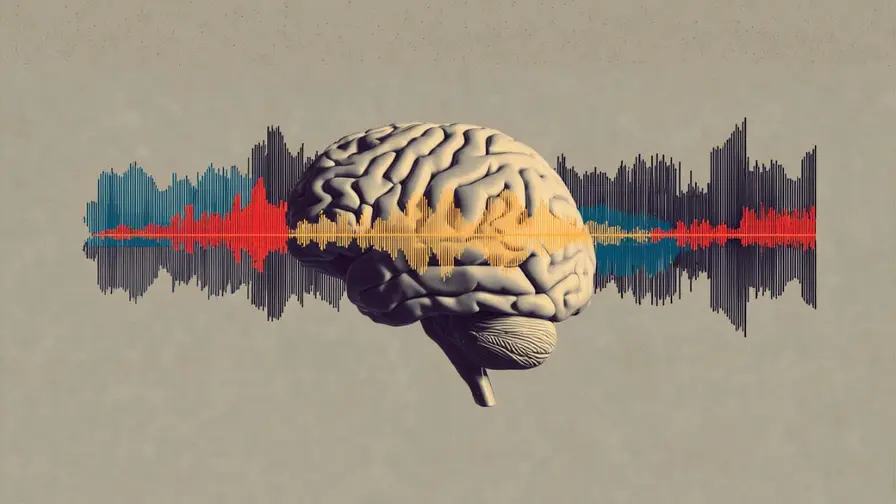
Separately, Samsung has teamed with Hanyang University’s Department of Biomedical Engineering to build an around-the-ear EEG prototype designed for long-term, outside-the-lab monitoring. Traditional EEG systems are bulky and lab-bound; this prototype favors a sleek, ergonomic form that places electrodes around the ear to capture high-quality signals without wires and caps.
Early trials of the prototype showed promising real-world applications. The device accurately detected drowsiness in real time, a capability useful for driver safety and workplace monitoring. In another experiment, AI-driven analysis of participants’ brainwaves predicted individual video preferences with 92.86% accuracy — a result that hints at future applications in neuromarketing, adaptive entertainment, and personalized content delivery.
Like the LVSD effort, the ear-EEG remains a research prototype with no consumer release date. Both projects underscore Samsung’s broader push to integrate medical-grade sensing and AI into consumer wearables while emphasizing ergonomics and real-world usability.
Conclusion
Samsung’s dual focus on smartwatch LVSD screening and an around-the-ear EEG prototype signals a meaningful step toward bringing clinical monitoring into everyday life. The LVSD detection feature builds on validated hospital-grade AI and could become an important screening tool for asymptomatic cardiac patients, while the ear-EEG offers new possibilities for continuous brain monitoring outside clinical settings. Still, wider adoption will depend on regulatory approvals, clinical validation, and careful handling of privacy and data security as these technologies move from prototypes to products.








Leave a Comment
Comments
No comments yet. Be the first.