
3 Minutes
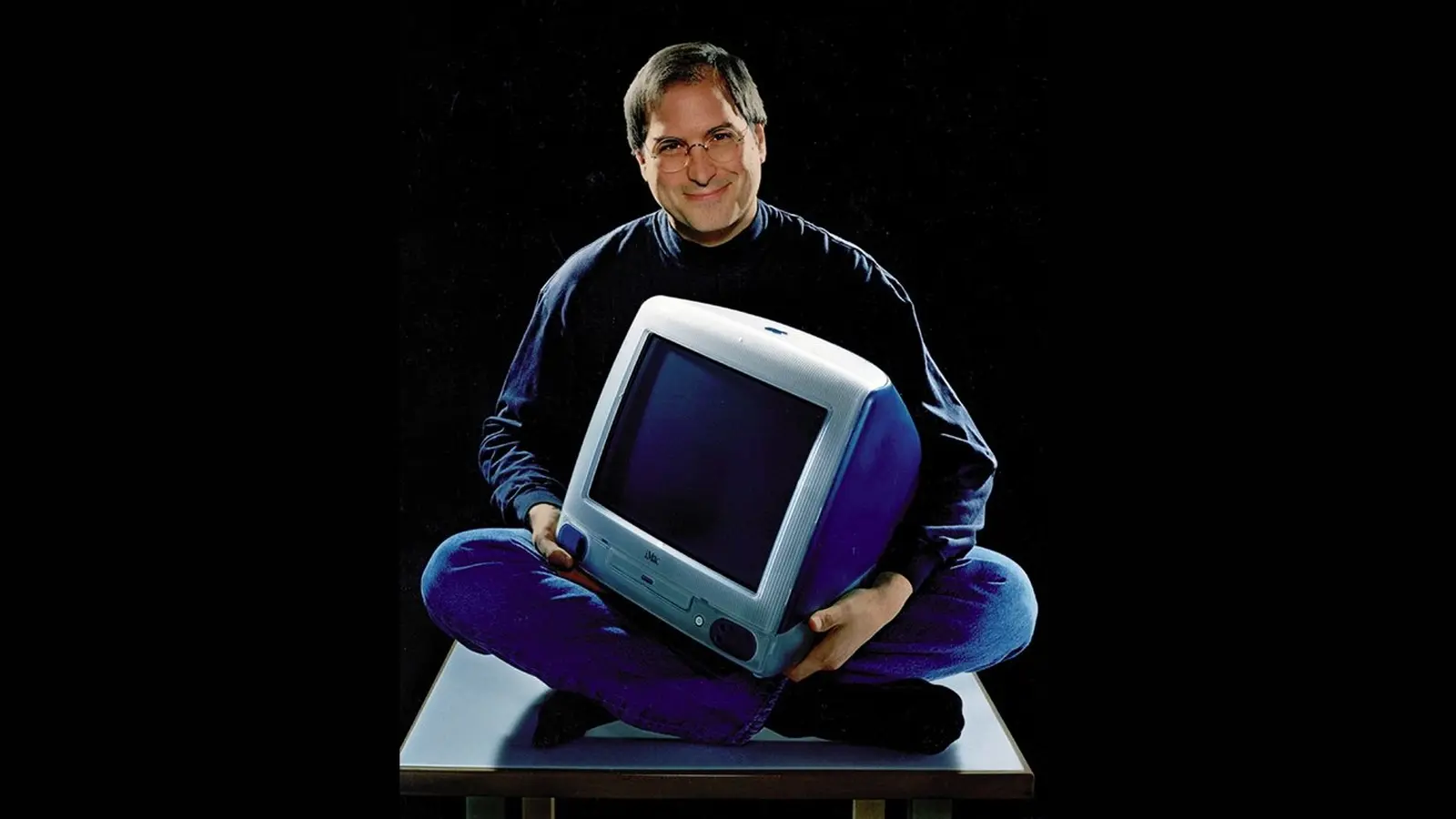
Fourteen years after his death, Steve Jobs remains a touchstone for design and technology. On the anniversary, we revisit his final public appearances, his remarks about mortality, and the ways Apple and the wider tech community continue to remember him.
A quiet afternoon in Palo Alto
Steve Jobs died on October 5, 2011, at his Palo Alto home. The Santa Clara County Public Health Department listed respiratory arrest as the immediate cause of death, with a metastatic pancreatic neuroendocrine tumor as the underlying condition. He was 56.
His wife, Laurene Powell Jobs, released a short family statement: "Steve died peacefully today surrounded by his family," and asked for privacy as they grieved.
Health struggles and public honesty
Jobs had been fighting a rare form of pancreatic cancer since his late 40s. He addressed mortality directly during his famous 2005 Stanford commencement speech, and he continued to be candid in public about his condition. In 2009 he underwent a liver transplant and publicly thanked the donor, saying, "I now have the liver of a mid-20s person who died in a car crash and was generous enough to donate their organs."
Tim Cook stepped in to run Apple during several of Jobs's medical leaves. Jobs formally resigned as CEO on August 24, 2011, after a final board meeting and a brief, reflective conversation with biographer Walter Isaacson: "I've had a very lucky career, a very lucky life. I've done all that I can do."
How colleagues and rivals remember him
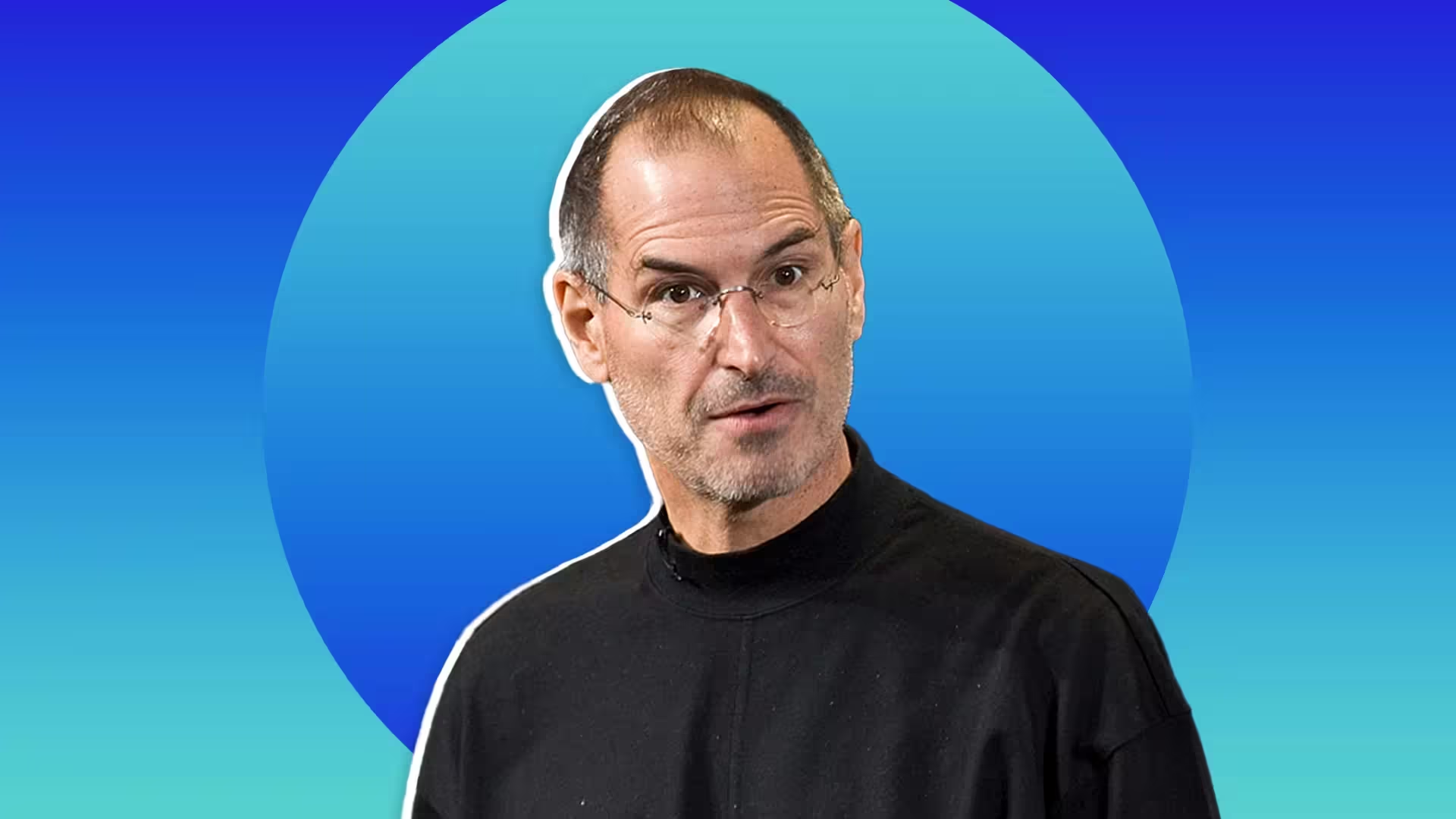
The reaction across the tech industry was immediate and heartfelt. Bill Gates called Jobs's impact "profound" and said his work would be felt for generations. Former Apple designer Jony Ive later described the day Jobs died as "brutal, heartbreaking," remembering quiet conversations and long periods of focused listening.
Journalists and writers who covered Jobs often found their professional relationship with him changed into something more personal. Neil Hughes, who wrote obituaries at the time, recalled how the newsroom response shifted from reporting to an awareness of personal loss. Bob LeVitus, a commentator Jobs occasionally quoted, called Jobs "one of those once-in-a-generation guys" whose absence marked the end of an era for Apple.
An archive, a phrase, and a living legacy
In 2022, Laurene Powell Jobs, Tim Cook and Jony Ive helped launch the Steve Jobs Archive, a curated collection of speeches, emails and artifacts intended to inspire future makers. The archive later published Make Something Wonderful, a compilation of Jobs's emails and conversations.
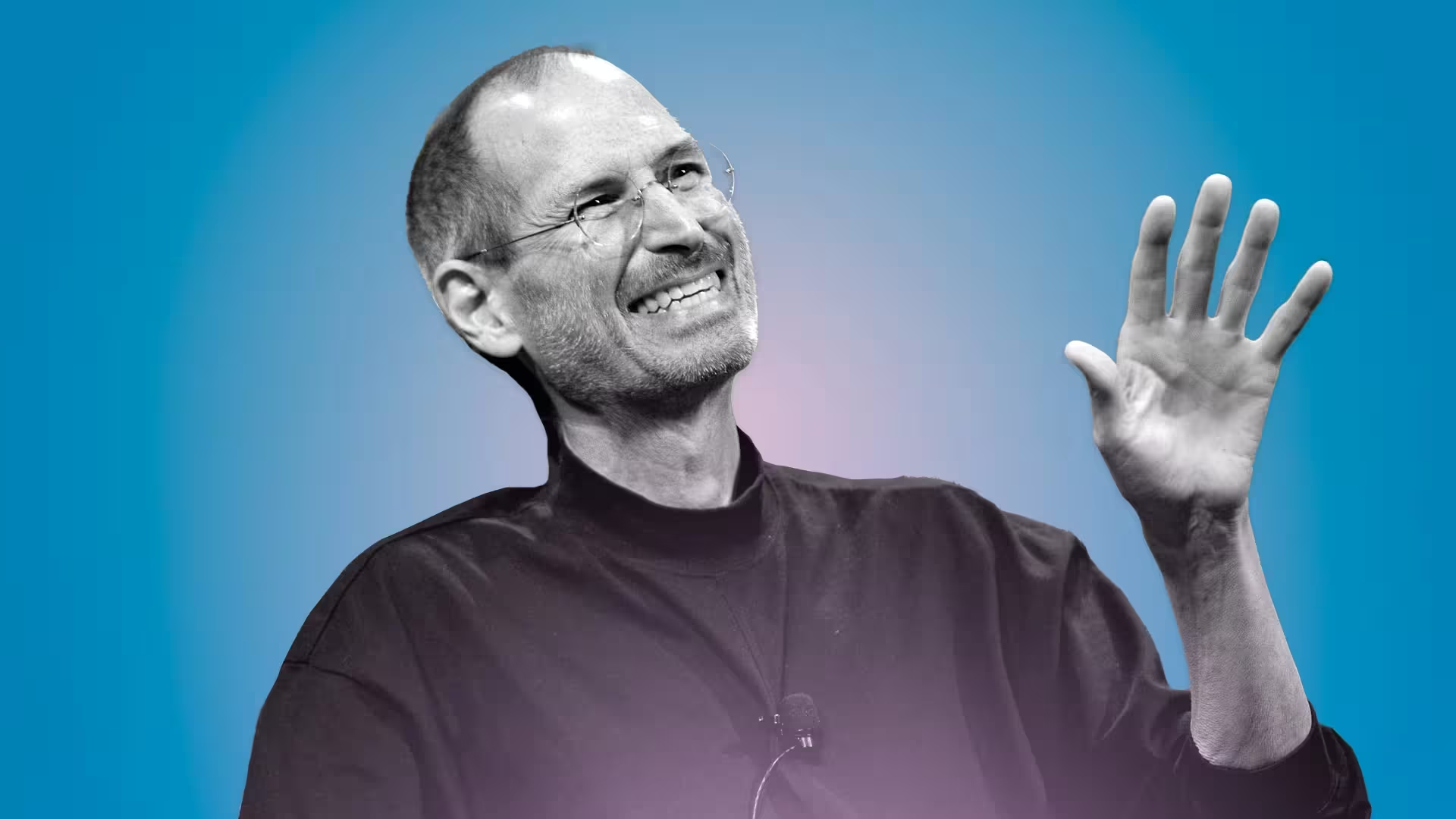
On what would have been his 70th birthday in 2025, the archive released a short internal Apple video where Jobs reflected on culture and craft: "One of the ways that I believe people express their appreciation to the rest of humanity is to make something wonderful and put it out there." That sentiment — focused on care, craft and surprise — still shapes how Apple talks about design and product culture.
Fourteen years on, Steve Jobs's influence is visible in the products, the design language and the people who learned from his example. Whether you remember him for the Macintosh, the iPhone, or his uncompromising attention to detail, his ideas about simplicity and storytelling continue to ripple through technology today.
.avif "Iconic Apple Collectibles and Vintage Macs Headline Exclusive RR Auction Ending August 21")










Leave a Comment
Comments
No comments yet. Be the first.