
3 Minutes
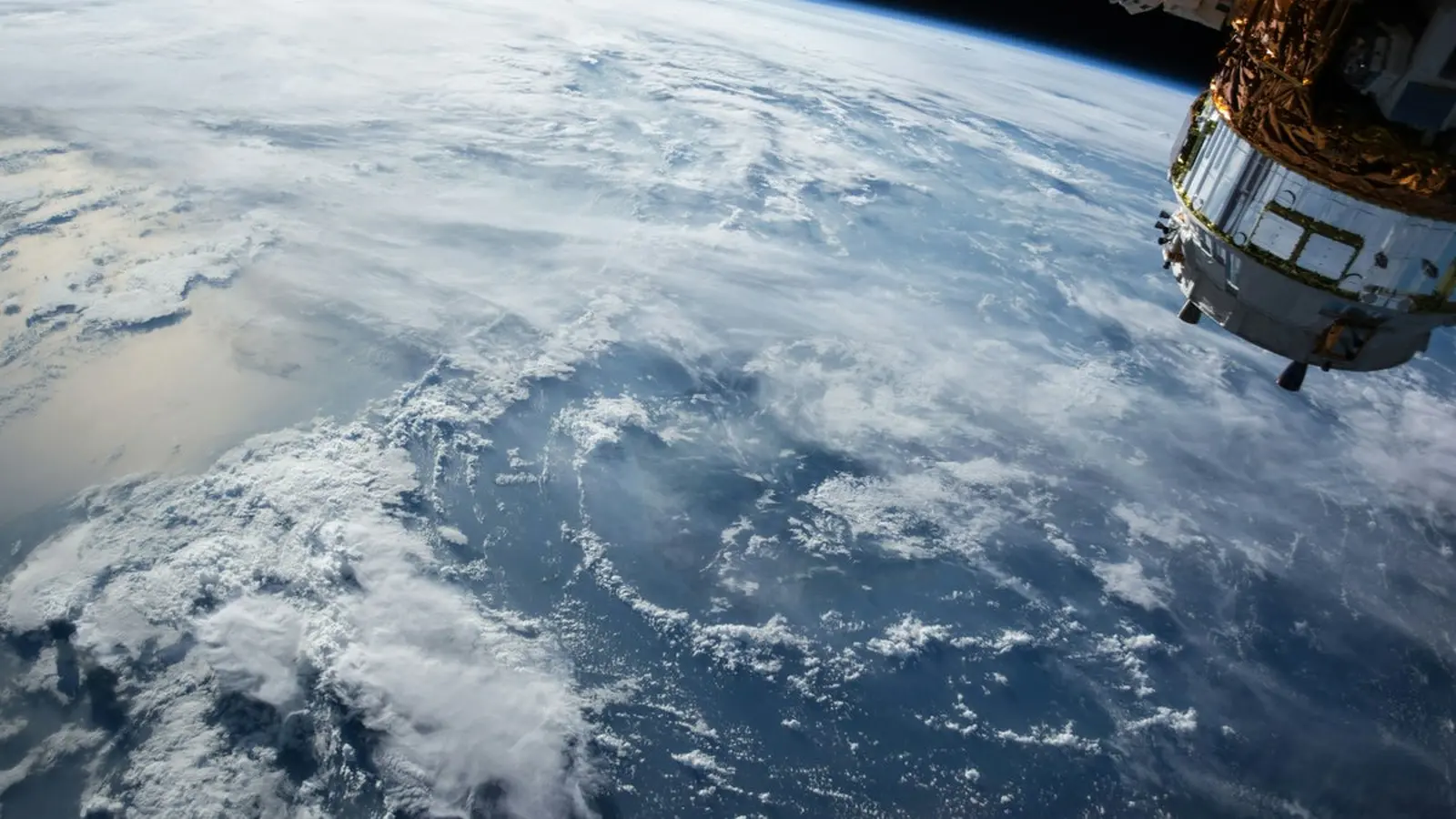
At Italian Tech Week in Turin, Jeff Bezos sketched a sweeping future: not just tourists visiting orbit, but millions choosing to live and work in space — supported by robots and powered by orbital AI data centers. It sounded like science fiction, yet he framed it as a plausible near-term shift.
Why Bezos thinks space will host millions
Bezos argued that future space communities won’t be a last-resort refuge but a lifestyle choice. In his telling, robots will take on heavy labor while humans focus on creativity, management and community life. Rather than focusing on distant Mars colonies, his vision centers on habitats closer to Earth — orbital stations or points of stable gravity where living conditions, transport and commerce scale more easily.
The case for orbital data centers
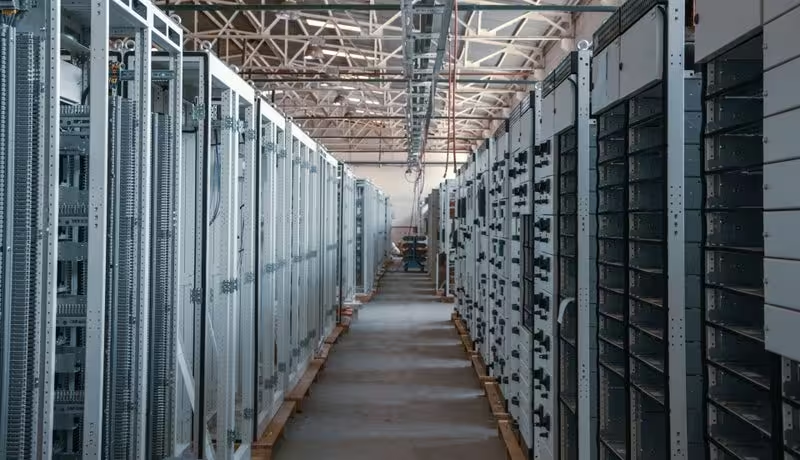
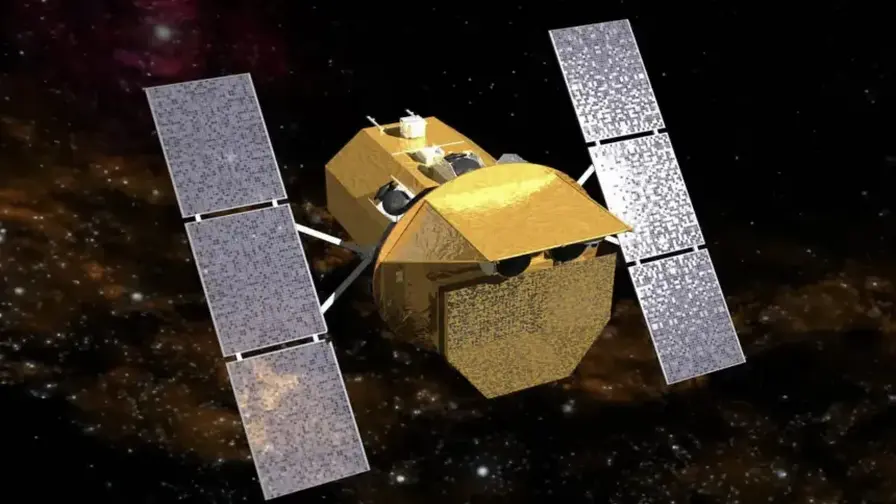
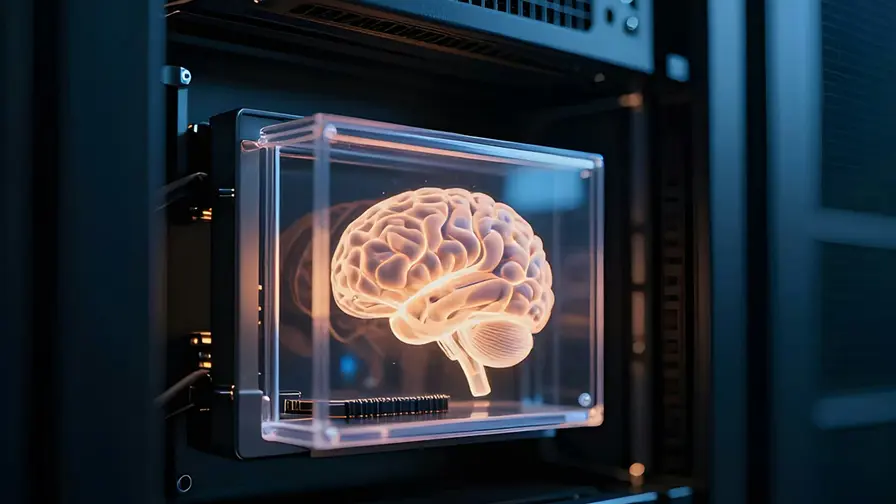
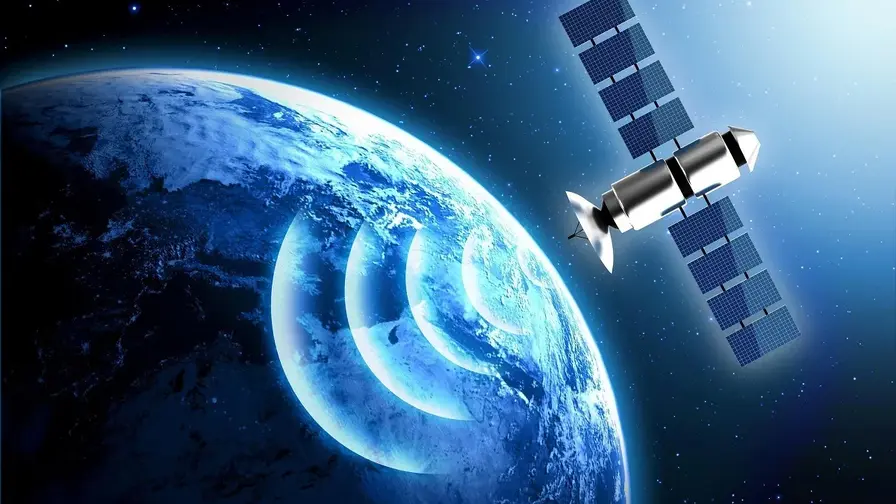
One of the most striking claims was that enormous data centers could be built in orbit within the next 10–20 years. The logic is straightforward: solar power is nearly constant in space, and orbital facilities wouldn’t be constrained by Earth's land use or water-intensive cooling systems. For AI-heavy workloads that demand massive, reliable energy, orbit could become an attractive alternative despite higher up-front costs.
Today’s terrestrial data centers consume huge amounts of electricity and water to manage heat. In orbit, thermal dynamics change and sunlight is effectively uninterrupted — offering potentially cleaner, more scalable power for intensive compute tasks.
How this differs from other space plans
Bezos’s roadmap differs from Elon Musk’s high-profile goal of a million people on Mars by 2050. Musk emphasizes planetary settlement; Bezos emphasizes building infrastructure in near-Earth space. Both share the idea of expanding human presence beyond the surface, but they imagine very different geographies and timelines.
Is Bezos’s timetable realistic? There are big technical and economic hurdles: launch costs, radiation protection, life support systems and new legal frameworks for orbital industry. Still, history shows rapid technological leaps are possible — the jump from bulky home PCs to powerful smartphones in just a couple of decades is one example. Incremental steps like orbital factories, small research habitats and satellite-based power systems could precede larger settlements.
- Orbital solar power offers constant energy without Earthly constraints.
- Robotics and automation reduce risk and free humans for higher-value work.
- Orbiting data centers could ease environmental strains on the planet.
Bezos framed space development as a way to improve life on Earth, not just to escape it: new industries above the atmosphere could generate jobs, spur innovation and relieve some planetary pressures. For some people the prospect of living with a view of Earth will feel irresistible; for others, the pull of forests and fresh air will keep them grounded. Either way, Bezos’s vision nudges the conversation about where technology and society might go next.




Leave a Comment
Comments
No comments yet. Be the first.