
3 Minutes
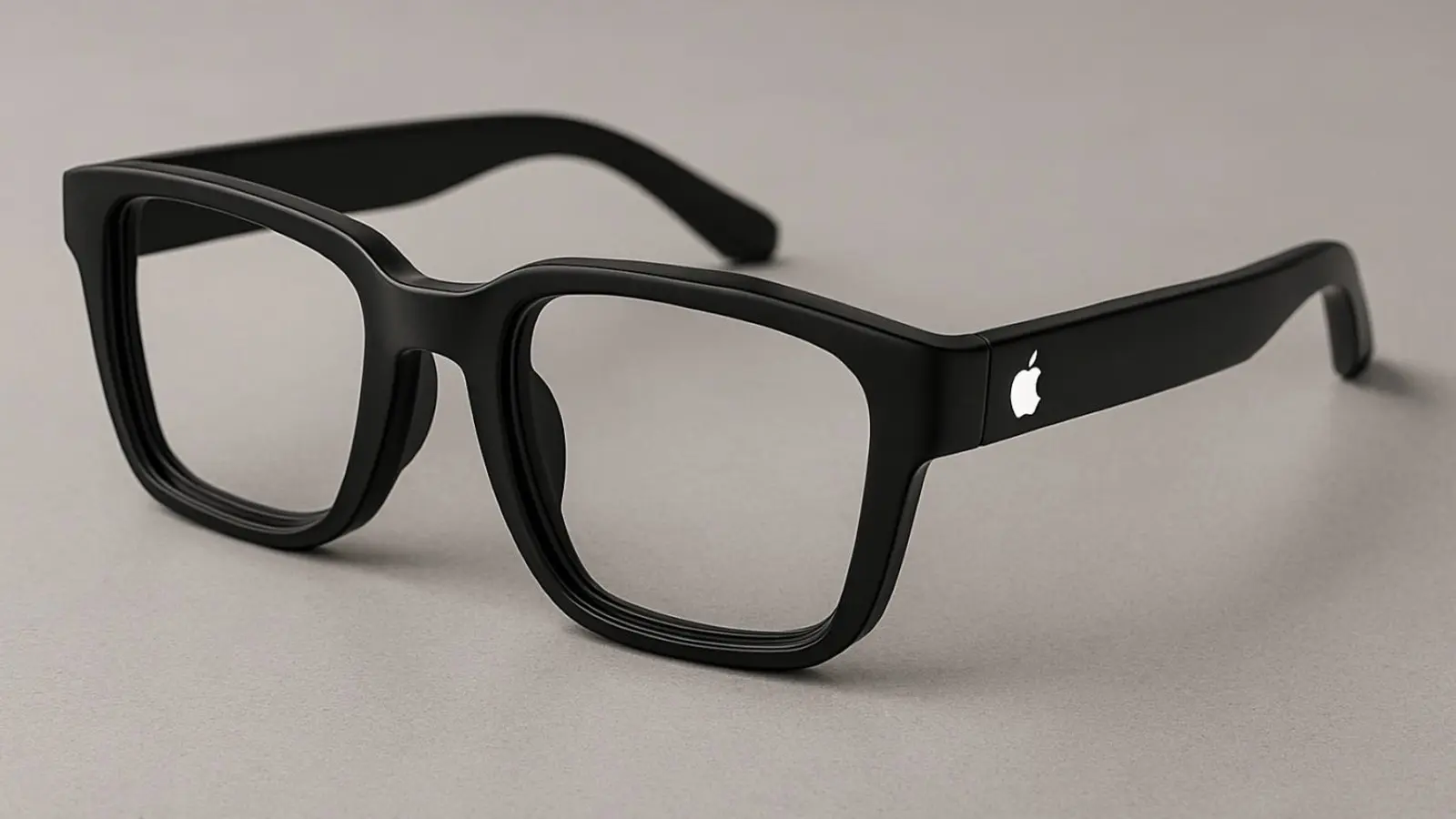
Apple’s second-generation smart glasses are shaping up to be a more flexible — and perhaps more pragmatic — approach to mixed reality. New reporting suggests the headset could run different operating systems depending on whether it’s connected to a Mac or an iPhone, raising fresh questions about tethering, performance, and what a truly standalone pair might look like.
Two operating modes: visionOS on Mac, a lighter UI on iPhone
According to Bloomberg’s Mark Gurman, Apple may design the next-gen smart spectacles to switch platforms based on which Apple product they’re paired with. Hooked to a Mac, the glasses could tap the full power of visionOS, delivering a richer, desktop-class mixed-reality experience. When tethered to an iPhone, though, the device would run a more lightweight, power-efficient interface better suited to mobile hardware.
That approach lets Apple balance capability and battery life. visionOS is built for immersive spatial computing and benefits from a Mac’s processing headroom. Conversely, an iPhone-linked mode would prioritize responsiveness and endurance during on-the-go use — essentially trading some features for a smoother mobile experience.
Tethered by cable today, wireless hope tomorrow
Early reports indicate the first-generation Apple glasses might be "screenless" and require a tethered connection to another Apple device for much of their functionality. A wired connection delivers low latency and dependable throughput, but it’s clumsy and undermines the wearable’s promise of convenience.
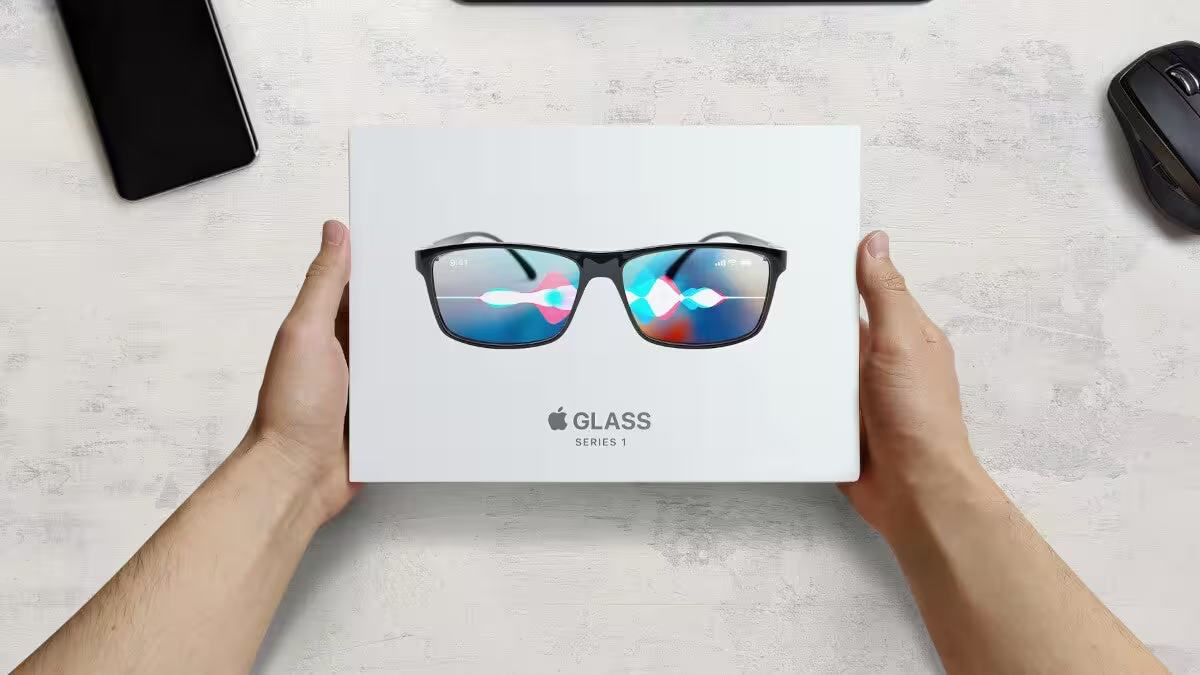
Apple’s playbook suggests wireless tethering is likely the long-term goal. The company has a track record of making seamless device pairings feel effortless — think AirPods — and recent chip work (including rumors about a custom H3 line) would support low-latency wireless experiences. Still, moving from a reliable cable to a flawless wireless link is a technical leap that could affect release timing.
Why Apple might delay or cancel a launch
Insiders have reportedly discussed shelving or postponing iterations that don’t meet internal standards. For a high-profile product category like smart glasses, Apple appears unwilling to ship something that feels half-baked. If a tethered design looks too restrictive or a wireless solution can’t match the company’s latency and battery goals, we could see the launch pushed back.
- Pros of tethering: stable performance, low latency, fewer onboard components.
- Cons of tethering: reduced mobility, user friction, reliance on external hardware.
- Pros of standalone: full feature set without cables, true wearable freedom.
- Cons of standalone: heavier device, thermal and battery challenges, higher cost.
What comes next: hardware, chips, and the UX puzzle
Apple’s first smart glasses may be a cautious step that leans on existing devices to deliver experiences today, while the second-gen model — rumored for around 2027 — aims for broader utility. Whether that means packing iPhone-level internals into a glasses form factor or perfecting low-latency wireless pairing, the company faces a classic trade-off: deliver sooner with limits, or wait for a cleaner, standalone vision.
For consumers, the most compelling iteration will be one that blends convenience with capability: wireless pairing that behaves like AirPods, an interface that adapts based on context, and enough onboard smarts to feel independent when needed. Until then, expect iterative launches and plenty of experimentation behind the scenes.
What this means for buyers and developers
If Apple ships a tether-first product, early adopters will need to accept trade-offs: reliable performance paired with cables and companion devices. Developers, meanwhile, will have to plan for conditional experiences — crafting apps that scale between a full visionOS surface and a pared-down mobile interface. The payoff could be significant: a platform that grows from practical, tethered experiences to a truly mobile mixed-reality ecosystem.


Leave a Comment
Comments (3)
Cautious move. Tether first makes sense to get something out there, but standalone is the real prize. Battery, heat and price tho... might wait
is this even true? If the glasses need a cable to work, are they really wearable? feels like a dev kit wearing consumer clothes.
Wow this split OS idea is wild. visionOS on Mac, lightweight UI on iPhone... smart for battery but could be confusing. Cable today, wireless maybe later, sigh. Hope latency is solved