
2 Minutes
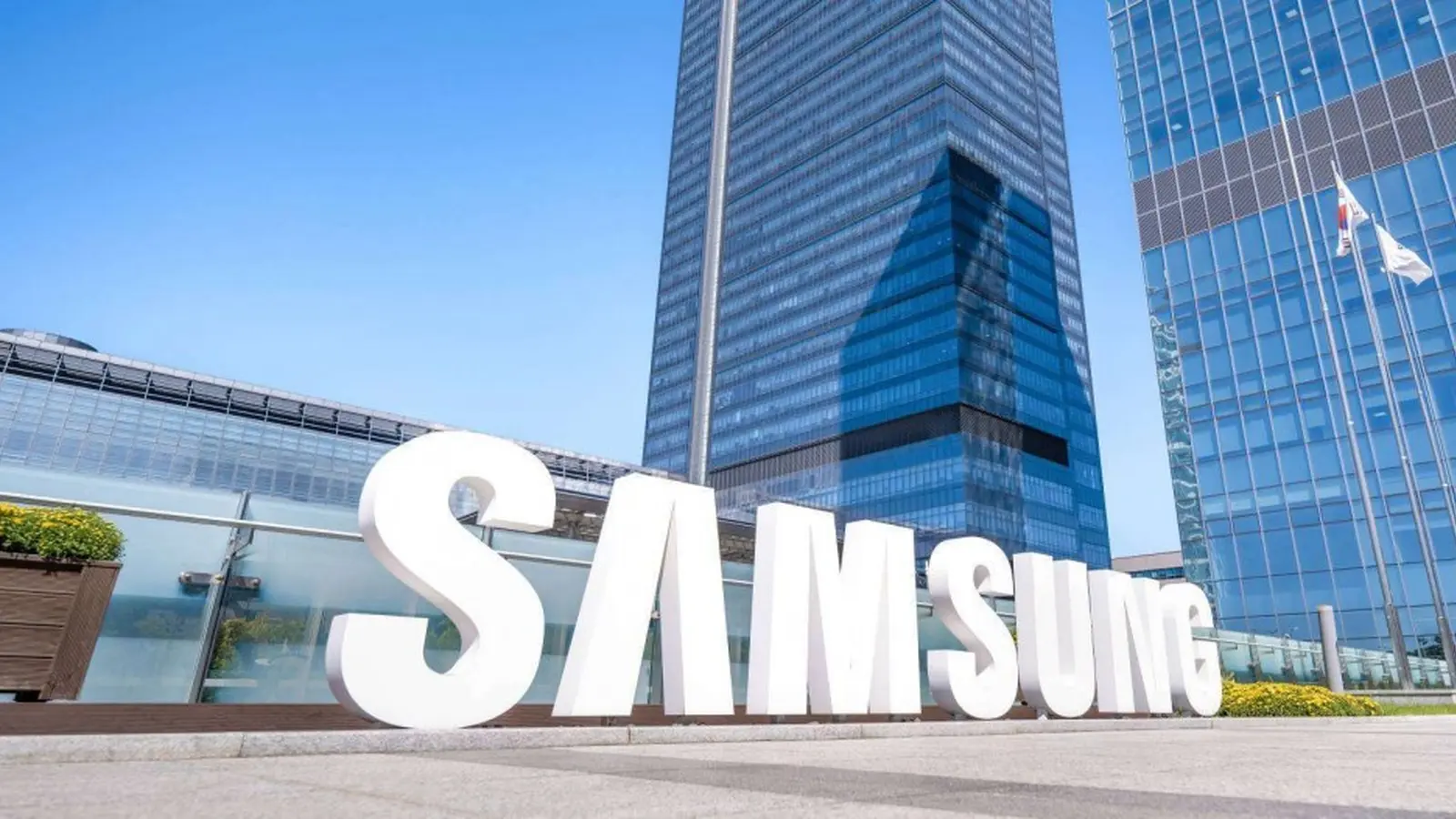
Samsung closed Q3 2025 with a strong showing: revenue climbed to KRW 86.1 trillion (€51.66 billion) and operating profit hit KRW 12.2 trillion (€7.32 billion), a 15.4% revenue increase from the previous quarter. The standout performer this quarter was Samsung's semiconductor and memory business, which powered much of the company’s gains.
Chips and memory carry the load
More than half of Samsung’s operating profit came from its Device Solutions division, with the semiconductor, chip and memory segments contributing KRW 7.0 trillion (€4.2 billion). Demand for high-bandwidth memory and enterprise storage pushed sales to record highs, driven in particular by HBM3E modules and server SSDs.
What’s next for memory and foundry?
Looking ahead, Samsung is targeting mass production of next-generation HBM4 memory in 2026, a move that could cement its lead in high-performance AI and data-center components. On the foundry side, Samsung Foundry plans to ramp up output of its advanced 2nm GAA (gate-all-around) nodes next year, a critical step for customers chasing higher performance and energy efficiency at the leading edge.
Phones steady, displays and appliances lag
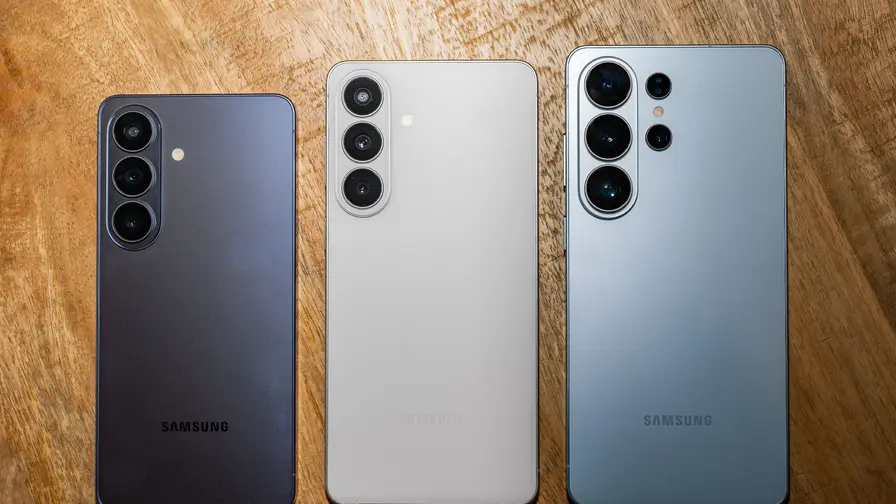
Samsung’s mobile business also contributed positively thanks to the Galaxy Z Fold7 and Z Flip7 foldables, which helped smartphone sales rebound. Still, handset margins were overshadowed by the sheer scale and profitability of the chip business this quarter.
Not all divisions enjoyed the upturn: Samsung’s display and appliances segment posted an operating loss despite healthy revenue, highlighting uneven demand across the company’s diverse product lines.
Why this matters
Imagine the global AI and cloud markets continuing to expand: companies with access to high-bandwidth memory and advanced nodes will be in high demand. Samsung’s Q3 results show how a strong semiconductor portfolio can offset softness elsewhere — and why investors and customers alike will be watching its 2026 ramp plans closely.






.webp "Redmi 17C 5G: 6.9-inch Screen and 6,000mAh Power Lands")
Leave a Comment
Comments
No comments yet. Be the first.