

Peugeot 308: beauty, performance, and controversy
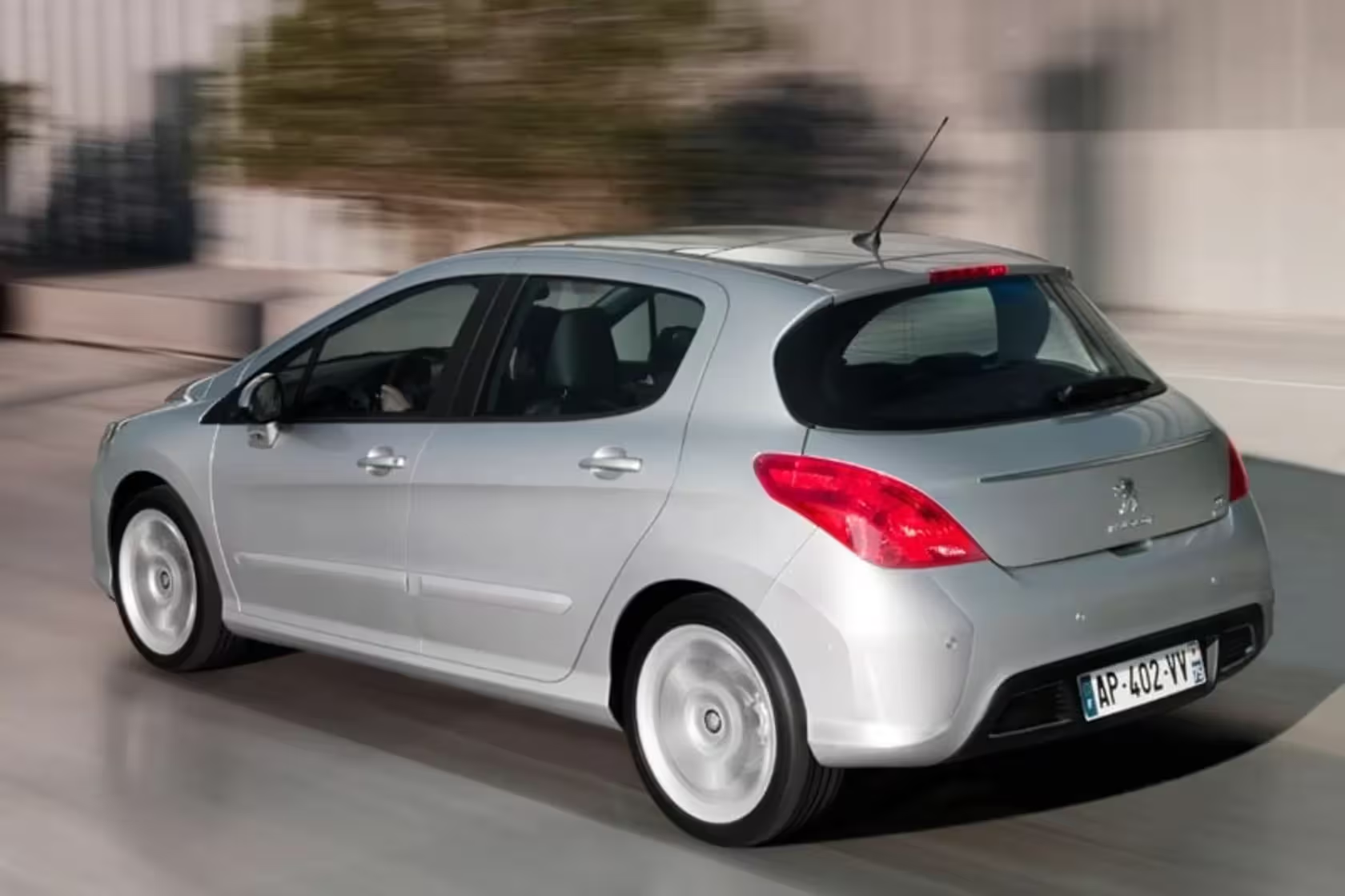
The Peugeot 308 arrived as a well-built, attractive French hatchback with lively handling and an enticing range of petrol engines. But for many buyers the headline 1.6-liter THP variants turned that promise into a long-term headache. On paper the THP family looked like a technical triumph; in the real world, especially in pre-2014 models, reliability questions followed closely behind.
What is the THP engine?
THP stands for Turbo High Pressure, a small-displacement, direct-injection turbocharged petrol unit developed by PSA Peugeot Citroën in cooperation with BMW. Internally known as the Prince engine, the 1.6-liter THP delivered strong low-end torque, brisk acceleration, and efficient fuel use. It even won multiple awards in its class for engine design and performance, and it helped position the 308 as a sporty, engaging hatchback.
Common faults and why they matter
Despite its strengths, the THP became notorious for a set of recurring technical problems. The most frequent and costly issues included:
- Timing chain stretch or failure, often linked to the tensioner system; symptoms include rattling noise on cold starts and risk of severe cylinder head damage if ignored.
- Carbon buildup on intake valves because direct fuel injection does not wash the valves with gasoline; the result is reduced performance, rough idling, and frequent need for decarbonizing services.
- Elevated oil consumption and oil burning in some units, attributed to piston ring design or other internal wear.
These faults made ownership unpredictable: a rewarding driving experience could quickly be undermined by an expensive repair bill.
How Peugeot and BMW responded
Later revisions and engineering updates — and the broader transition to the PureTech family — addressed many THP shortcomings. Updated tensioners, revised timing-chain components, and improved calibration reduced failure rates in newer engines. However, the THP name remains stigmatized in the used-car market, particularly for early Peugeot 308s.
Buying advice for the used market
If you are considering a used 308 with a THP engine, take these steps:
- Request a full service history and proof of timing chain or tensioner updates where applicable.
- Listen for start-up rattle and check for rough idling or smoke on acceleration.
- Ask about recent decarbonization or intake cleaning; valve buildup is common on high-mileage THP cars.
- Prefer models built after 2014 or those with documented engine upgrades.
In short, the Peugeot 308 THP is a case of high engineering potential tempered by practical maintenance risks. For driving enthusiasts who want a peppy hatchback it still offers charm and performance, but informed buyers should weigh that against the likelihood of increased maintenance and repair costs.
Highlights:
- 1.6L THP: award-winning performance but variable reliability
- Key issues: timing chain, carbon buildup, oil consumption
- Best approach: thorough inspection and service records before purchase


Leave a Comment
Comments
No comments yet. Be the first.