
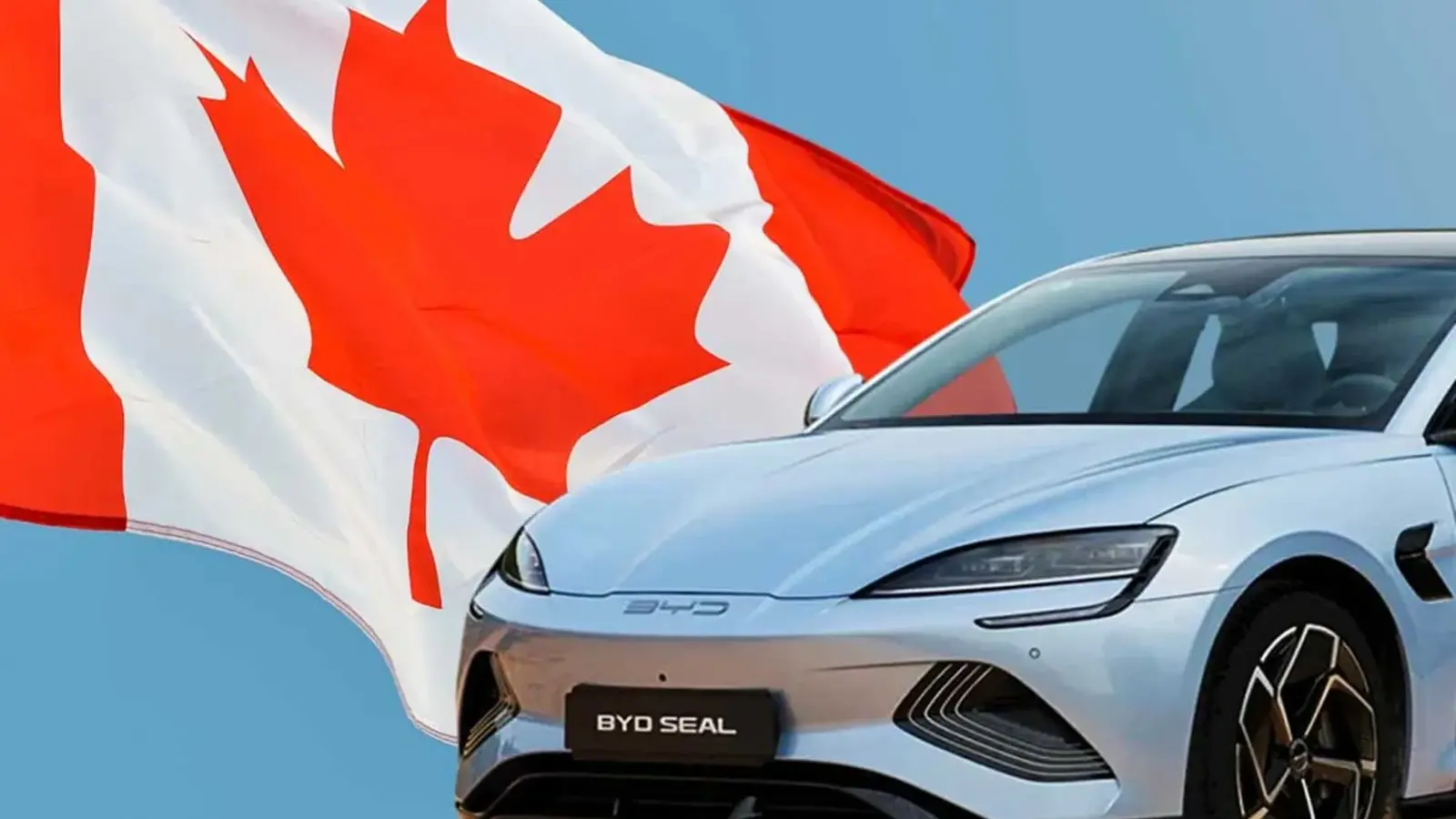
Canada's sudden tariff cut shakes North American EV market
A surprise agreement between Ottawa and Beijing has the automotive world watching. Canada has slashed import tariffs on Chinese electric vehicles from 100% to just 6.1%, opening the door for up to 49,000 EVs to enter the market at preferential rates. The move instantly drew a sharp reaction from the United States, with former President Donald Trump threatening retaliatory 100% tariffs if the deal proceeds.
Key terms and consumer impact
Under the deal, imports are capped at 49,000 electric vehicles and include a strategic price condition: by 2030, half of those cars must be priced below US$35,000. That price target signals potential savings for buyers and a new wave of affordable EVs in Canada, but it also raises alarms for unions and some provincial leaders who fear rapid market disruption.
- Tariff cut: from 100% to 6.1%
- Volume cap: up to 49,000 EVs
- Price target: 50% under US$35,000 by 2030
Who is worried?
Lana Payne, head of the Unifor union, warned that an influx of low-cost Chinese models could overwhelm the market and threaten jobs in Canada's auto sector. Ontario Premier Doug Ford echoed concerns, saying that without concrete Chinese investment in local manufacturing, Canada risks becoming merely an import market for cheap EVs while domestic plants suffer.
Chinese response: invest, don’t just export
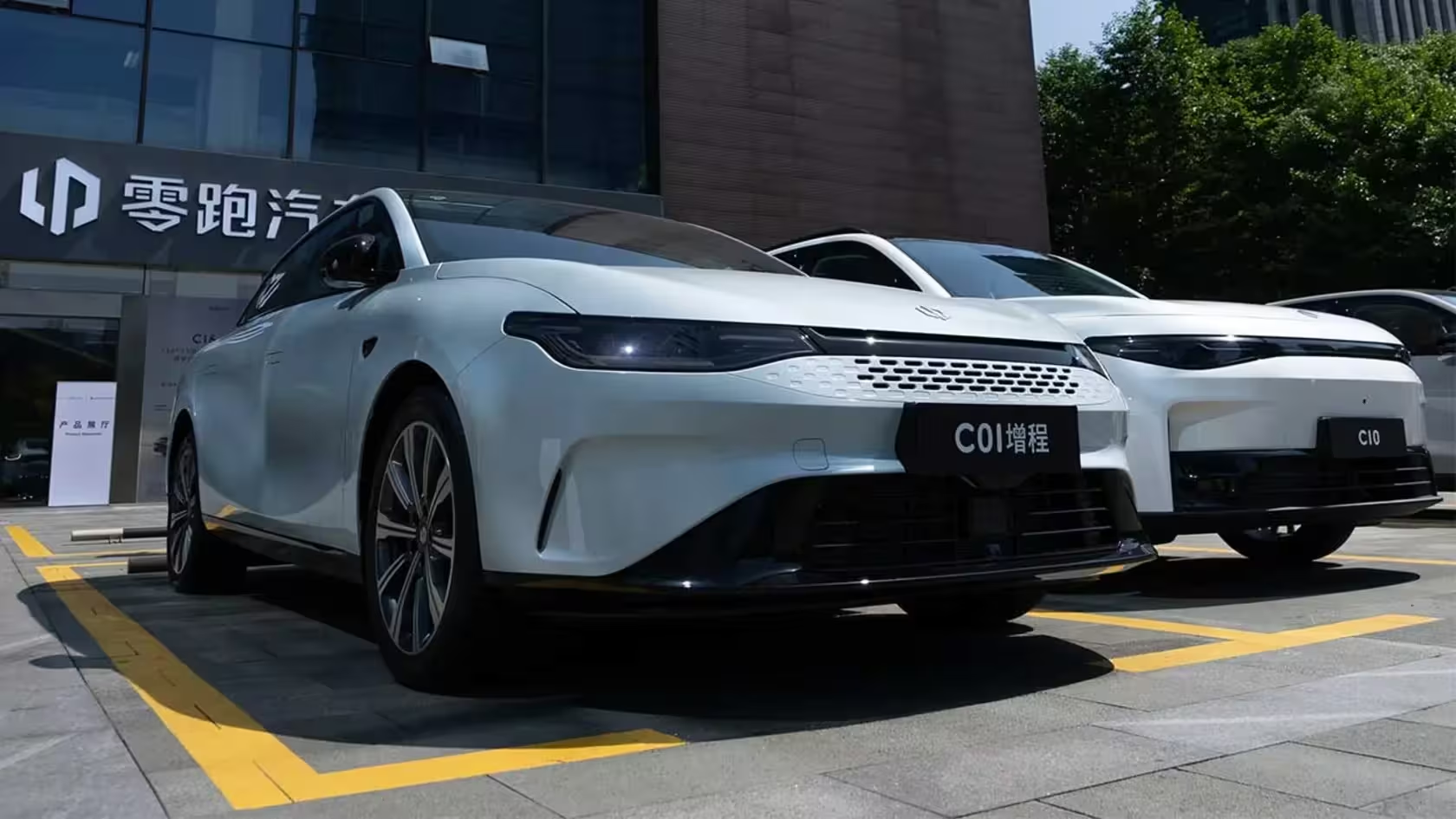
China's ambassador to Canada, Wang Di, pushed back on criticism and encouraged Chinese automakers to invest directly in Canada rather than simply exporting finished vehicles. He framed such investment as a win for Canadian employment and consumer access to quality, affordable EVs, and suggested the arrangement could boost local supply chains and parts suppliers.
'We want projects that create jobs and expand Canadians' access to high-quality electric vehicles at affordable prices,' the ambassador said.
Industry implications and market positioning
Analysts say the agreement could reshape regional EV production. If strong Canadian parts makers partner with Chinese brands like GAC, Ontario could become a new hub for EV manufacturing — helping automakers reduce logistics costs and serve the large U.S. market nearby. For Chinese automakers, manufacturing in Canada offers proximity to U.S. consumers while avoiding some trade frictions.
This development also forces a strategic calculus for US policy makers: guard the domestic supply chain with protective tariffs, or adapt to a new reality where Chinese investment in North America becomes part of the EV ecosystem.
What to watch next
- Will Chinese firms commit to Canadian factories and supplier partnerships?
- How will Ottawa address union and provincial concerns while preserving consumer benefits?
- Could the U.S. follow through on tariff threats, and how would that reshape cross-border auto trade?
The outcome will influence pricing, model availability, and the competitive landscape for electric vehicles across North America. For car enthusiasts and industry watchers, this is more than a tariff story — it could mark the start of a significant rebalancing in global EV production and supply chains.


Leave a Comment
Comments
No comments yet. Be the first.